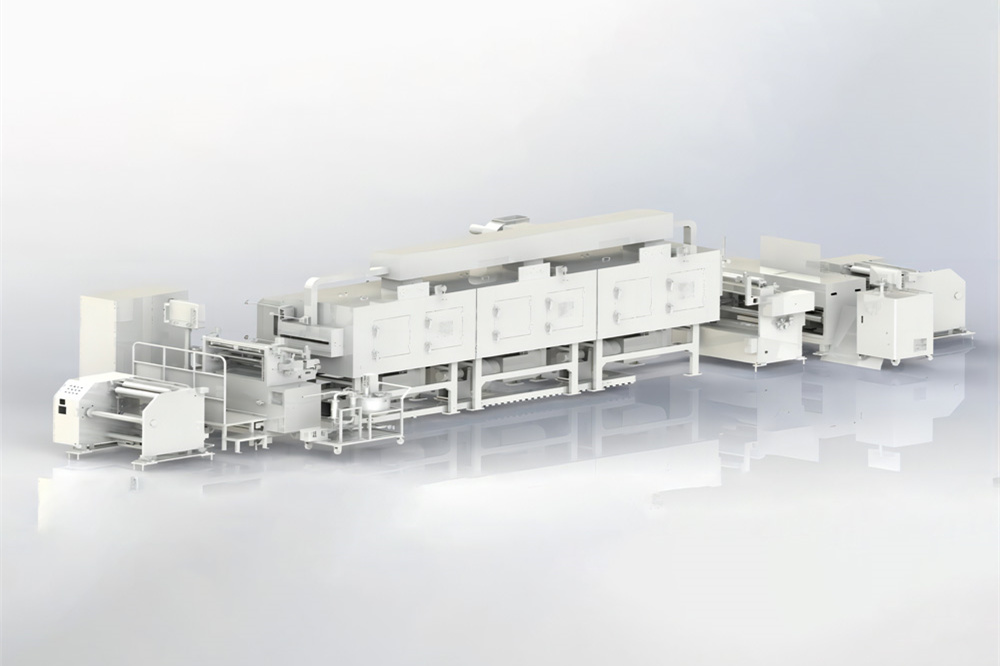
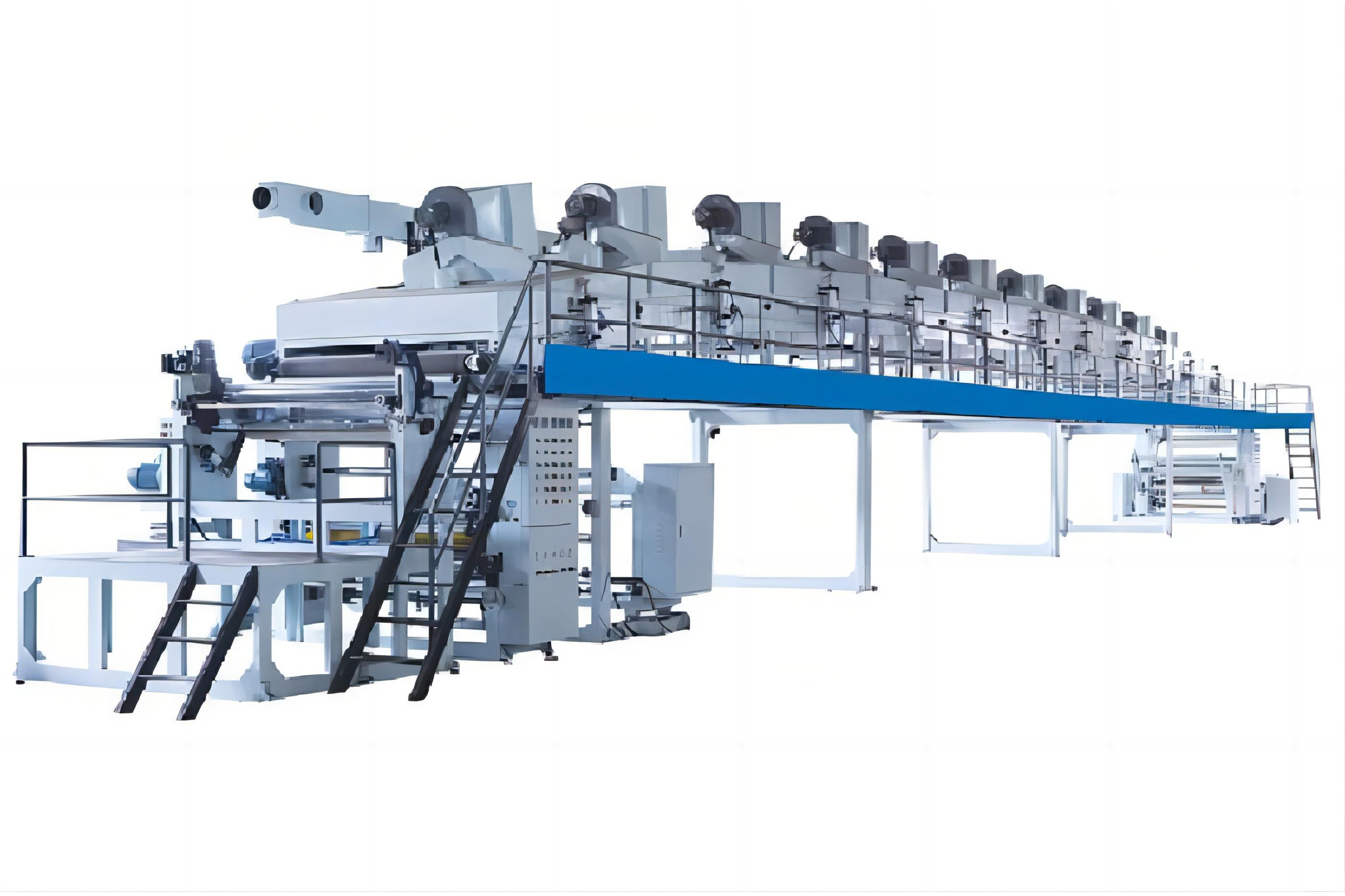
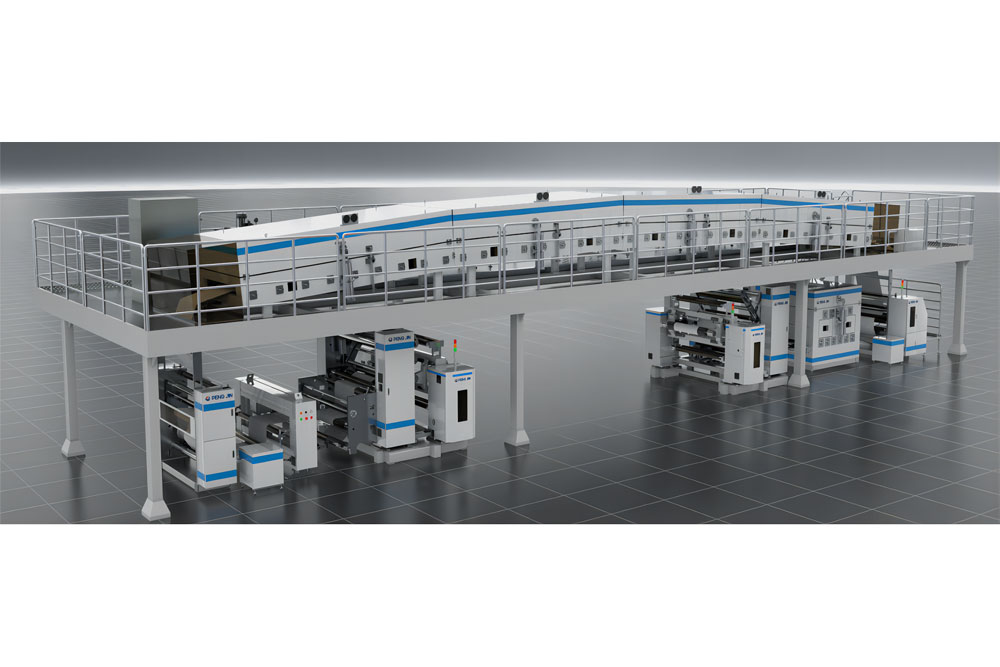
Our core coating equipment portfolio delivers uncompromising precision and throughput for utility-scale and commercial energy storage electrode production.
The battery coater is arguably the single most critical piece of equipment in the entire lithium-ion battery manufacturing process. In utility-grade and commercial Energy Storage System (ESS) production, electrode coating quality directly determines cell capacity, cycle life, safety and ultimately the levelized cost of storage (LCOS) for grid operators.
Utility and commercial ESS batteries demand far tighter coating uniformity tolerances than consumer electronics — typically requiring areal density control within ±0.5% across widths exceeding 1,000 mm and line speeds up to 80 m/min. Any deviation in slurry deposition creates local hotspots, accelerates degradation, and can cause catastrophic thermal events in high-capacity battery racks.
Modern ESS-grade battery coaters integrate advanced closed-loop tension control, precision die-head gap adjustment, in-line thickness measurement via X-ray or laser, and real-time AI-driven process monitoring — all working together to guarantee consistent electrode quality at gigawatt-hour production scales.
Guangdong Pengjin Intelligent Equipment Co., Ltd. is a national high-tech enterprise specializing in professional equipment solutions for the new energy recycling economy. Our primary offerings include NMP recycling equipment, NMP distillation equipment, coating machines, and more.
Pengjin's battery coaters are engineered with the specific demands of utility-grade and commercial energy storage production in mind — combining precision mechanics with intelligent control systems.
Closed-loop automatic thickness control achieves ±0.5% areal density uniformity, critical for high-capacity ESS cells requiring consistent intercalation across large electrode areas.
Support for substrate widths up to 1,200 mm and line speeds up to 80 m/min enables the gigawatt-hour throughput demanded by grid-scale ESS manufacturers.
Integrated X-ray and laser thickness sensors provide real-time feedback, detecting defects and triggering immediate die-gap corrections before off-spec material accumulates.
High-efficiency NMP recovery systems achieve >98% solvent capture rates, drastically reducing operational costs and meeting stringent environmental compliance requirements for industrial ESS facilities.
Machine learning algorithms continuously analyze coating data streams to predict and prevent defects, optimizing slurry viscosity compensation, tension profiles, and drying parameters autonomously.
Modular die-head design enables fast electrode chemistry changeover — vital for commercial ESS manufacturers producing multiple chemistries (LFP, NMC, LMFP) on shared lines.
The global energy storage market is undergoing a structural transformation, creating unprecedented demand for high-performance battery coating equipment at every scale.
Global ESS deployments are forecast to exceed 1,500 GWh annually by 2030, requiring a proportional scaling of battery coating line capacity. Utility-scale BESS projects — particularly in the US, EU, China, and Australia — are driving multi-GWh factory investments where electrode coating throughput is a critical bottleneck.
Commercial and Industrial (C&I) energy storage adoption is surging as electricity price arbitrage, demand charge reduction, and renewable integration become financially compelling. This sector requires flexible battery coaters capable of handling smaller batch production while maintaining quality parity with utility-grade output.
Lithium Iron Phosphate (LFP) chemistry has emerged as the chemistry of choice for stationary ESS applications due to its superior thermal stability and cycle life. LFP slurry characteristics — higher viscosity, different rheology — place unique demands on coating equipment, requiring specialized die designs and slurry delivery systems.
Governments worldwide are incentivizing domestic battery manufacturing through policies like the US IRA, EU Battery Regulation, and China's Made in China 2025. This manufacturing race is creating demand for localized battery coater supply chains and technical support infrastructure beyond traditional manufacturing hubs.
The next generation of battery coaters for energy storage applications is being shaped by five converging technological and market forces.
Pioneered by Tesla's Maxwell acquisition and now pursued by virtually all major battery manufacturers, dry electrode coating eliminates NMP solvent entirely, reducing energy consumption by up to 50% and capital expenditure for drying ovens. While still emerging, next-generation ESS battery coaters must be architected to support a transition pathway from wet to dry electrode processes, particularly for thicker ESS electrodes where dry coating demonstrates its greatest advantages.
Utility ESS applications prioritize volumetric and gravimetric energy density to minimize footprint and weight. This is driving a trend toward ultra-thick electrode coatings (200–400 μm vs. 100–150 μm for EV cells), which demands specialized dual-layer slot-die coating heads, advanced drying profiles to prevent cracking, and calendering equipment optimized for high-loading electrodes.
Modern ESS battery coating lines are being integrated into fully connected digital manufacturing ecosystems. Digital twin models of the coating process enable virtual commissioning, predictive maintenance scheduling, and remote diagnostics. MES integration allows real-time coating data to be linked to cell-level traceability — critical for the warranty-backed performance guarantees demanded by utility ESS customers.
As LFP continues to dominate ESS chemistry selection, and sodium-ion batteries begin commercial deployment, water-based (aqueous) electrode coating is gaining prominence. Aqueous slurries eliminate NMP entirely for cathode coating, but introduce new challenges including substrate wettability, corrosion management, and extended drying requirements — all areas where advanced coater engineering is essential.
ESS manufacturers serving utility customers are under increasing pressure to demonstrate sustainable manufacturing credentials. High-efficiency NMP recovery, reduced energy drying systems, waste slurry recirculation, and renewable energy-powered coating facilities are all becoming competitive differentiators. Pengjin's integrated NMP recycling and distillation solutions position our customers at the forefront of sustainable battery manufacturing.
From front-of-the-meter grid assets to behind-the-meter commercial facilities, battery coaters serve distinct but interconnected roles across the energy storage value chain.
Utility BESS projects (100 MWh–10 GWh) require electrode sheets with absolute coating consistency across massive production volumes. High-speed slot-die coaters with in-line X-ray monitoring ensure every square meter of LFP or NMC cathode meets the same specification as the first.
C&I ESS installations (500 kWh–10 MWh) require pouch and prismatic format batteries where precise coating determines peak power capability for demand charge management and backup power applications.
Solar and wind firming applications demand batteries with >6,000 cycle life. Ultra-uniform electrode coating achieved by precision coaters is the foundation of long-cycle-life cell design, directly impacting project IRR for renewable developers.
Frequency regulation BESS assets require high-power electrodes with thin, precisely controlled coatings to enable sub-second charge/discharge response. Micro-gravure and transfer coaters excel in producing these high-power density electrodes.
Harbor microgrids and ship-borne ESS require high-safety LFP batteries where coating process control directly impacts thermal management behavior. Pengjin's advanced coating lines support the stringent quality requirements of maritime battery certifications.
Battery research institutes and startup manufacturers require lab-scale and pilot coating lines that replicate production-scale coating quality. Pengjin's pilot coating solutions enable seamless R&D-to-production transitions for new ESS chemistries and electrode formulations.
Guangdong Pengjin Intelligent Equipment Co., Ltd. ("Pengjin Technology") is a national high-tech enterprise committed to delivering complete, innovative solutions for the new energy recycling economy — from battery coating to NMP recovery and full assembly line integration.
Innovative tech services for customer success and employee fulfillment — building long-term partnerships through engineering excellence.
Leading new energy intelligent manufacturing — setting global benchmarks in battery equipment precision, reliability and sustainability.
Driving the development of the new energy circular economy with cutting-edge technology and responsible manufacturing practices.
Honesty, pragmatism, pioneering spirit, and pursuit of excellence — the principles guiding every product we build and every relationship we forge.
With the rapid development of the lithium battery industry, the efficient use of resources and the steady improvement of efficiency are the top priority of enterprise operation and development. Pengjin Technology adheres to the corporate mission of "driving the development of new energy recycling economy with technology" and provides more perfect NMP solutions for the majority of lithium battery manufacturers and NMP manufacturers.
On the road of circular economy, Pengjin team will take excellent steps, keep pace with time; work together for a win-win situation, and create a more efficient tomorrow. Pengjin team will be committed to NMP recycling, NMP circular economy and other resource recycling economy, high-tech development economy, and take solid steps to promote the high-quality development of new energy and realize the green, circular and low-carbon development of industries.
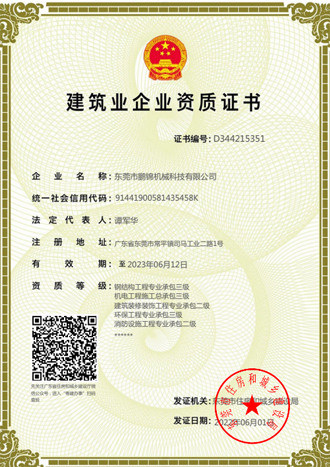
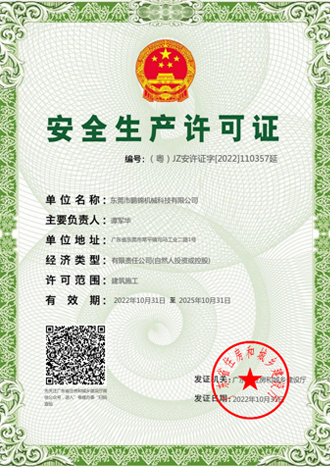
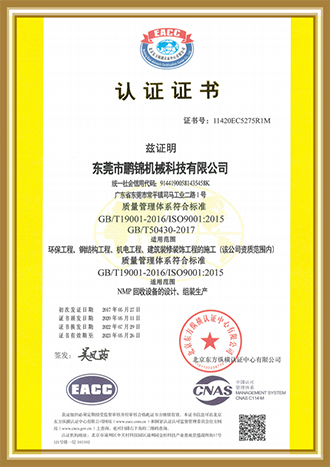
Our battery coating equipment and manufacturing processes are backed by internationally recognized certifications, ensuring compliance with global ESS industry requirements.


For many years, we have successfully responded to the requirements of reputed customers in the market — delivering reliable battery coating solutions to leading ESS manufacturers worldwide.
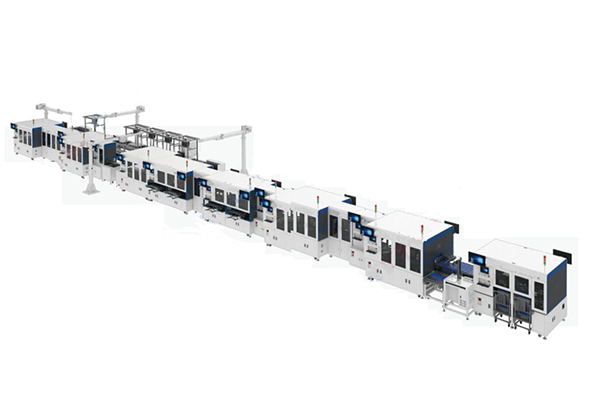
Beyond battery coaters, Pengjin Technology offers a comprehensive portfolio of equipment and turnkey solutions for every stage of ESS battery manufacturing — from electrode coating to module assembly and pack integration.