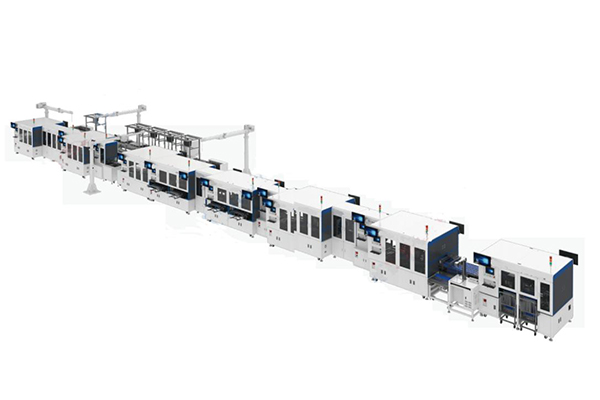
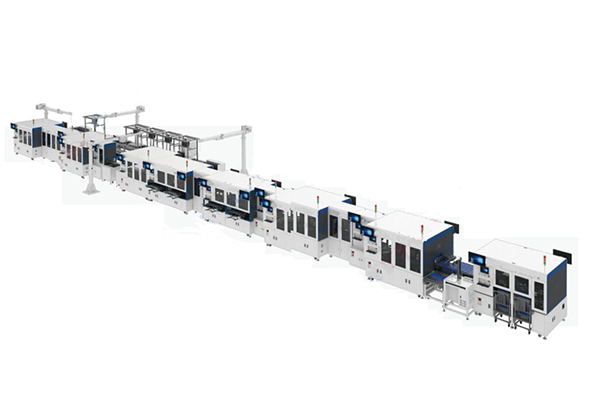
Purpose-built automated production systems engineered for stationary energy storage — from cell to complete pack integration.


Stationary Energy Storage Systems (ESS) have emerged as one of the most strategically critical infrastructure segments of the 21st century. As global electricity grids increasingly integrate intermittent renewable sources — solar, wind, and tidal — the ability to store, dispatch, and manage electrical energy at industrial scale has become indispensable. Battery manufacturing sits at the very heart of this transformation.
Unlike electric vehicle batteries, which prioritize energy density and lightweight design, stationary ESS batteries are engineered for cycle longevity, thermal stability, safety, and total cost of ownership over a 15–20 year operational lifespan. This places unique demands on every stage of the manufacturing process — from electrode coating and cell assembly to module integration and system-level pack production.
🔋 Global stationary energy storage capacity is projected to exceed 1,500 GWh by 2030, driving unprecedented investment in specialized battery manufacturing infrastructure worldwide.
Pengjin Technology delivers complete intelligent manufacturing solutions for stationary ESS battery production, combining precision automation, advanced process control, and deep industry expertise to help manufacturers scale production with consistent quality and competitive cost efficiency.
The ESS battery manufacturing market is experiencing a period of rapid structural transformation. Utility-scale deployments, behind-the-meter commercial installations, and off-grid industrial applications are simultaneously driving demand, creating a diverse and complex customer base that requires highly adaptable production capabilities.
Major economies — including China, the United States, the European Union, and Australia — have enacted significant policy frameworks to accelerate grid-scale storage deployment. In China alone, the National Energy Administration has mandated that new renewable energy projects include storage capacity equivalent to 10–20% of their installed power. This has catalyzed a wave of gigafactory investments dedicated specifically to ESS applications.
Globally, companies such as CATL, BYD, LG Energy Solution, and Samsung SDI have announced dedicated ESS production expansions, while tier-2 and emerging manufacturers increasingly seek turnkey manufacturing solutions to enter the market rapidly and cost-effectively.
LFP (Lithium Iron Phosphate) chemistry has become the dominant choice for stationary storage due to its inherent thermal safety, 4,000+ cycle capability, and declining cost curve. This chemistry transition has significant implications for manufacturing line design — LFP electrodes require specific coating weights, calendering pressures, and formation protocols that differ substantially from NMC-based production.
Emerging chemistries including LMFP (Lithium Manganese Iron Phosphate), sodium-ion, and all-solid-state batteries are beginning to enter pilot production, requiring manufacturing equipment partners capable of rapid process adaptation and flexible line reconfiguration.
The industry is undergoing rapid technological evolution. Understanding these trends is essential for manufacturers building next-generation ESS production capabilities.
Modern ESS manufacturing lines increasingly integrate machine vision inspection, AI-powered defect detection, and real-time process analytics. Automated optical inspection (AOI) systems can detect electrode coating defects, cell dimension anomalies, and weld quality issues at throughput speeds exceeding 100 cells per minute, dramatically reducing scrap rates.
Cell-to-pack (CTP) and cell-to-container (CTC) architectures are eliminating traditional module-level assembly for certain ESS applications, requiring entirely new production line configurations. Manufacturing partners must offer both conventional module-pack lines and next-generation integrated assembly systems to serve the full spectrum of customer requirements.
Regulatory pressure and ESG commitments are pushing ESS battery manufacturers to minimize production waste, recover NMP solvent, and reduce energy consumption per kWh of battery produced. NMP recovery systems, dry electrode coating development, and water-based binder processes are becoming competitive differentiators in the manufacturing equipment market.
Supply chain resilience strategies are driving regional gigafactory development in Southeast Asia, Europe, and North America. This creates demand for turnkey manufacturing solutions that can be rapidly deployed, commissioned, and scaled — with comprehensive engineering support and digital twin simulation capabilities.
Formation and aging represent 30–40% of total ESS cell production cycle time. Advanced formation protocols using fast-charge algorithms, combined with in-line electrochemical impedance spectroscopy (EIS), are compressing production timelines while improving cell consistency and grading accuracy for ESS-specific performance requirements.
Manufacturing Execution Systems (MES) integrated with real-time process data and digital twin models enable ESS battery manufacturers to optimize yield, predict equipment maintenance needs, and maintain complete traceability across every cell in a production lot — a critical requirement for utility-scale project certification and warranty programs.
Stationary energy storage encompasses a broad spectrum of deployment scenarios, each with distinct requirements for battery chemistry, pack architecture, and manufacturing precision.
Multi-megawatt (MW) to gigawatt-hour (GWh) installations providing frequency regulation, peak shaving, and renewable energy time-shifting for national and regional grid operators. Manufacturing demands include ultra-high cell consistency, fully automated module assembly, and container-integrated production lines capable of 5MWh+ unit outputs.
Energy storage systems deployed at factories, data centers, logistics hubs, and commercial facilities to reduce demand charges, provide backup power, and enable intelligent energy management. Pack designs prioritize safety, long cycle life (4,000+ cycles), and compatibility with building energy management systems (BEMS).
Co-located with solar PV installations at residential, commercial, and utility scales. Manufacturing must produce batteries optimized for daily deep cycling (1–2 full cycles per day), wide temperature operation, and seamless BMS integration with leading solar inverter platforms. Pouch and prismatic LFP cells are the dominant format.
Battery systems for hybrid marine vessels, offshore platforms, and port shore power applications demand exceptional vibration resistance, salt spray protection, and compact energy density. Production lines must deliver modules with tightly controlled dimensional tolerances and fully sealed enclosures meeting IEC and DNV certification requirements.
5G base station rollout has created massive demand for compact, high-reliability backup power systems replacing traditional lead-acid batteries. LFP-based rack-mount ESS solutions require manufacturing processes optimized for standardized 48V/51.2V system architectures, with automated PCBA integration and comprehensive factory acceptance testing (FAT).
Rural electrification projects, island microgrids, and disaster-resilient community power systems in developing markets require ESS solutions engineered for extreme environments, minimal maintenance, and long operational life with limited service infrastructure. Manufacturing excellence in cell grading and pack assembly is critical to multi-decade system reliability.
For ESS-grade cells, electrode coating uniformity directly determines cycle life consistency across a battery pack that may contain thousands of individual cells. Slot-die coating machines must maintain ±0.5% coating weight uniformity at speeds of 60–100 m/min, with real-time closed-loop basis weight control. Calendering uniformity is equally critical — porosity variations of just 2–3% can translate to measurable differences in rate capability and long-term degradation behavior.
Pouch and prismatic cell assembly for ESS applications requires stringent atmospheric control environments. Dry room facilities maintaining dew points below -40°C are essential for LFP and next-generation LMFP chemistries. Automated stacking, winding, and tab welding systems must deliver consistently low internal resistance and leak-free electrolyte filling — parameters that determine both initial cell performance and long-term capacity retention.
⚙️ Key insight: Internal resistance variation of <5% across all cells in an ESS pack is a critical specification for utility-grade applications — achievable only through precision manufacturing process control at every stage.
ESS battery pack assembly demands capabilities that differ significantly from EV pack production. Stationary systems are optimized for accessibility, modular replacement, and thermal management over 15–20 year operating periods. Automated busbar welding (laser or ultrasonic), precision torque management for mechanical fasteners, and intelligent BMS harness assembly require dedicated ESS-focused production line configurations.
Container-integrated ESS production lines represent the latest evolution, enabling complete system assembly — including thermal management, fire suppression pre-integration, and electrical interconnect — within a factory-controlled environment before delivery to site. This dramatically reduces on-site installation risk and commissioning time for utility-scale projects.
Formation protocols for ESS cells are longer and more complex than EV cells due to the importance of establishing stable SEI layers that will support thousands of cycles. Advanced formation chargers with ±0.01% current accuracy, combined with precision voltage monitoring during rest periods, enable manufacturers to identify and grade cells for optimal performance consistency. Automated grading and sorting systems using machine learning algorithms continuously improve yield by identifying subtle correlations between formation data and long-term field performance.
Welcome to learn more about us
Innovative tech services for customer success and employee fulfillment
Leading new energy intelligent manufacturing
Driving the development of new energy circular economy
Honesty, pragmatism, pioneering spirit, pursuit of excellence
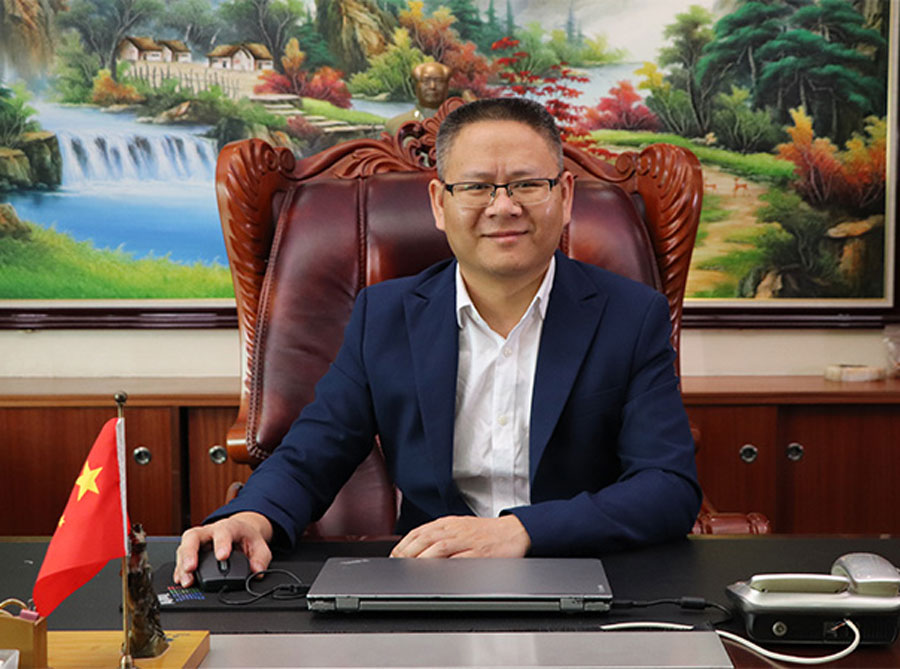
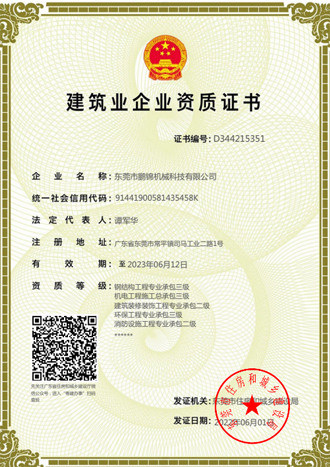
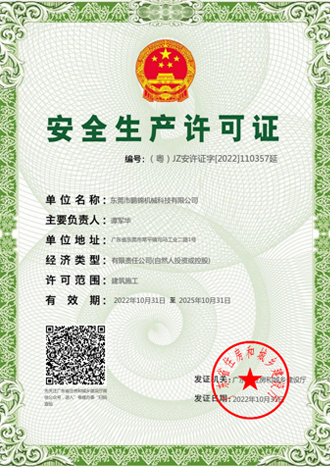
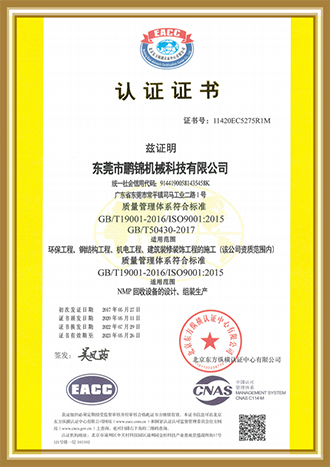
Guangdong Penjin Intelligent Equipment Co., Ltd. (referred to as "Pengjin Technology") is a national high-tech enterprise specializing in professional equipment solutions for the new energy recycling economy. Our primary offerings include NMP recycling equipment, NMP distillation equipment, coating machines, and comprehensive battery manufacturing line solutions. Committed to innovation, Pengjin Technology holds 13 invention patents and over 50 utility model patents. Our team of nearly 1,000 employees, with around 20% dedicated to research and development, ensures continuous technological advancement.
With the rapid development of the lithium battery industry, the efficient use of resources and the steady improvement of efficiency are the top priority of enterprise operation and development. Pengjin Technology adheres to the corporate mission of "driving the development of new energy recycling economy with technology" and provides more perfect NMP solutions for the majority of lithium battery manufacturers and NMP manufacturers. On the road of circular economy, Pengjin team will take excellent steps, keep pace with time; work together for a win-win situation, and create a more efficient tomorrow.
Pengjin team will be committed to NMP recycling, NMP circular economy and other resource recycling economy, high-tech development economy, and take solid steps to promote the high-quality development of new energy and realize the green, circular and low-carbon development of industries.


For many years, we have successfully responded to the requirements of reputed customers in the market.


Explore our full range of battery manufacturing equipment and production line solutions engineered for stationary energy storage systems.


Partner with Pengjin Technology for end-to-end intelligent manufacturing solutions — from feasibility planning and layout design to full production line commissioning and after-sales support.
Get a Custom Solution →