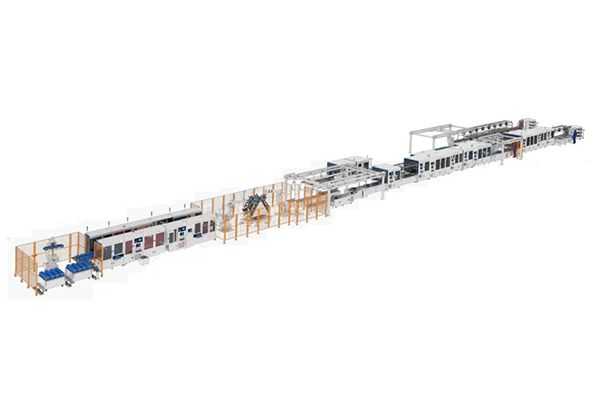
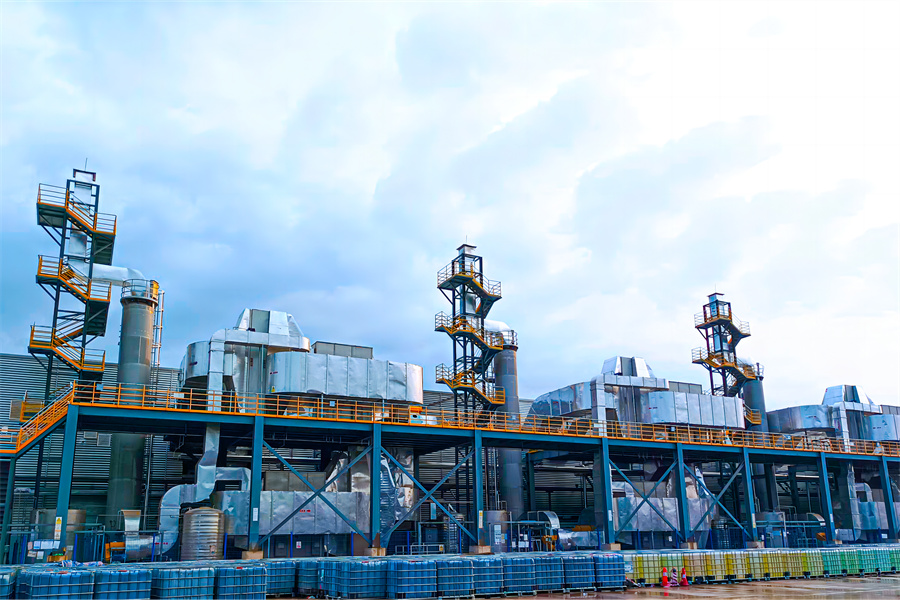
Core machinery for high-precision electrode slitting in energy storage manufacturing lines
Understanding the precision engineering behind electrode slitting for energy storage systems
A battery slitter is a high-precision machine that cuts wide rolls of electrode materials — including coated cathode foils (LFP, NMC, NCA) and anode foils (graphite, silicon) — into narrow strips with exact widths required for individual battery cell assembly. In the context of Grid-Scale and Residential Energy Storage Systems (BESS), slitting accuracy directly determines cell capacity consistency, cycle life, and ultimately, the safety and financial performance of the entire storage asset.
Modern BESS projects demand cells manufactured to tolerances tighter than ±0.1 mm. Any burr, micro-crack, or width deviation introduced during slitting can propagate into internal short-circuit risk or capacity fade — outcomes that are commercially devastating for multi-megawatt grid installations where a single cell defect can cascade through a 20-year asset life.
As energy storage deployments scale from kilowatt residential units to gigawatt-hour grid facilities, battery slitter technology must evolve in parallel — delivering higher throughput, tighter tolerances, and intelligent defect detection to support the explosive growth of the global BESS industry.
Battery slitting equipment demand is surging alongside record BESS deployments worldwide
Utility-scale projects (1 MWh – 1 GWh+) require gigantic volumes of precision-slit electrode strips. A single 100 MWh facility consumes millions of electrode sheets, making slitter throughput and uptime mission-critical to project timelines.
Home BESS units (5–20 kWh) demand compact prismatic or pouch cells with extremely tight dimensional tolerances. Battery slitters for residential BESS must support rapid changeover between formats while maintaining sub-100 µm precision.
Commercial and industrial storage systems (100 kWh – 10 MWh) bridge the gap between residential and utility scale, requiring flexible slitting solutions capable of processing diverse cathode chemistries as operators optimize for specific charge-discharge profiles.
In a grid-scale BESS project, electrode slitting quality is not just a manufacturing KPI — it is a financial variable. Studies show that ±0.05 mm improvement in slitting consistency can reduce internal resistance variation by up to 12%, extending pack cycle life by 8–15% and improving round-trip efficiency. For a 500 MWh BESS asset with a 20-year operational horizon, this translates directly into millions of dollars of additional revenue from grid services and reduced warranty claims.
How precision slitting technology is applied across the full spectrum of energy storage deployments
Lithium iron phosphate (LFP) has become the dominant chemistry for stationary storage. Battery slitters process ultra-wide (800–1200 mm) LFP cathode rolls at speeds exceeding 120 m/min, with dual-axis tension control ensuring consistent strip width for stacking into high-capacity prismatic cells used in containerized BESS units.
Residential BESS products like home solar batteries rely on pouch cell formats that require precision slitting of both cathode and anode foils to sub-millimeter tolerances. Advanced slitters with vision-based alignment systems ensure that each electrode pair is dimensionally matched, preventing electrolyte leakage and maximizing energy density in compact form factors.
Commercial BESS operators often source cells across multiple chemistries — NMC for high-energy applications, LTO for high-cycle-life — requiring slitters with rapid tooling changeover (under 15 minutes) and programmable width profiles to support diverse product portfolios without production line reconfigurations.
Electrode burrs are a primary root cause of lithium dendrite formation and internal short circuits — the precursors to thermal runaway in BESS. Precision slitters equipped with ceramic rotary knife systems and real-time burr detection cameras eliminate this failure mode at the source, a critical requirement for grid-connected BESS subject to UL9540A and IEC62933 safety standards.
As first-generation BESS assets retire, second-life battery repurposing and black mass recycling are creating new demand for slitting equipment capable of processing aged, potentially swollen electrode materials. Adaptive tension systems and non-contact electrode tracking enable safe handling of degraded foils in recycling workflows.
Next-generation BESS will utilize solid-state electrolytes and sodium-ion chemistries, both requiring new slitting approaches. Solid electrolyte sheets demand vibration-isolated blade systems to prevent micro-fractures, while sodium-ion foils require modified tension profiles due to distinct mechanical properties compared to lithium-based equivalents.
Key technology and market trends shaping the next decade of electrode slitting equipment
Modern battery slitters are integrating AI-powered vibration analysis and edge detection systems that predict blade wear degradation before it impacts cut quality. By scheduling proactive blade replacements rather than reactive maintenance, BESS manufacturers achieve slitter uptime rates exceeding 98% — a critical metric in gigafactory environments where every hour of downtime represents hundreds of thousands of dollars in lost production.
Slitting machines are increasingly connected to digital twin platforms that simulate electrode behavior across the entire BESS production chain. By modeling how slitting parameters affect downstream coating, stacking, and formation processes, manufacturers can optimize the full value stream — not just the slitting step — reducing overall BESS cell production cost by 5–12%.
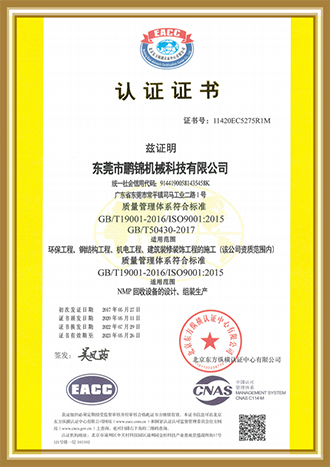
As electrode slitting generates fine electrode dust and solvent-laden scrap material, leading BESS equipment manufacturers are co-developing slitting lines with integrated NMP (N-Methyl-2-pyrrolidone) recovery systems. This not only satisfies increasingly stringent environmental regulations in China, Europe, and North America but also creates significant cost recovery opportunities — recovered NMP has a market value of $2–4 per liter, generating substantial annual savings in high-volume BESS factories.
The race to gigawatt-hour production is pushing slitter speeds from the current 120–150 m/min toward 300 m/min and beyond. Achieving these speeds without compromising the ±0.05 mm width tolerance required for BESS cells demands fundamental advances in rotary knife geometry, servo tension control response time, and real-time optical measurement systems — all active areas of R&D investment among leading equipment manufacturers.
Government policy initiatives — the US Inflation Reduction Act (IRA), EU Battery Regulation, India's PLI scheme — are driving the construction of domestic BESS gigafactories in regions that previously had no lithium battery manufacturing base. This is creating substantial new demand for battery slitting equipment in North America, Europe, Southeast Asia, and India, with buyers seeking suppliers who can provide localized technical support, training, and spare parts logistics.
National high-tech enterprise dedicated to new energy manufacturing solutions
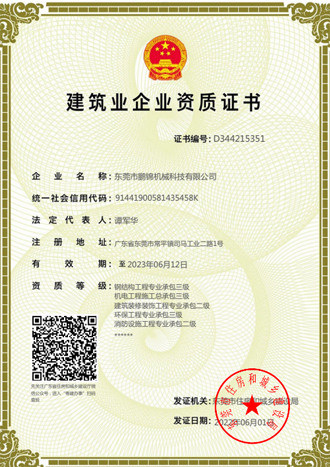
Guangdong Pengjin Intelligent Equipment Co., Ltd. (referred to as "Pengjin Technology") is a national high-tech enterprise specializing in professional equipment solutions for the new energy recycling economy. Our primary offerings include NMP recycling equipment, NMP distillation equipment, coating machines, battery slitting solutions, and complete BESS production line systems.
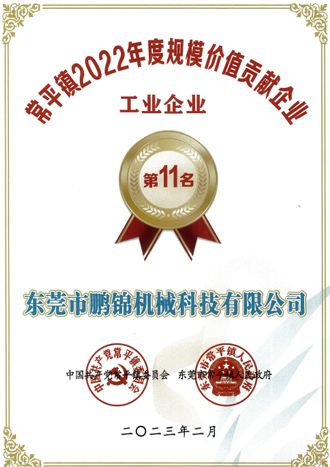
Committed to innovation, Pengjin Technology holds 13 invention patents and over 50 utility model patents. Our team of nearly 1,000 employees, with around 20% dedicated to research and development, ensures continuous technological advancement in battery slitter design and intelligent manufacturing for BESS applications worldwide.
Welcome to learn more about us
Innovative tech services for customer success and employee fulfillment
Leading new energy intelligent manufacturing
Driving the development of new energy circular economy
Honesty, pragmatism, pioneering spirit, pursuit of excellence
With the rapid development of the lithium battery industry, the efficient use of resources and the steady improvement of efficiency are the top priority of enterprise operation and development. Pengjin Technology adheres to the corporate mission of "driving the development of new energy recycling economy with technology" and provides more perfect NMP solutions for the majority of lithium battery manufacturers and NMP manufacturers.
On the road of circular economy, Pengjin team will take excellent steps, keep pace with time; work together for a win-win situation, and create a more efficient tomorrow.
Pengjin team will be committed to NMP recycling, NMP circular economy and other resource recycling economy, high-tech development economy, and take solid steps to promote the high-quality development of new energy and realize the green, circular and low-carbon development of industries.


For many years, we have successfully responded to the requirements of reputed customers in the market.


Full range of intelligent manufacturing equipment for grid-scale and residential energy storage