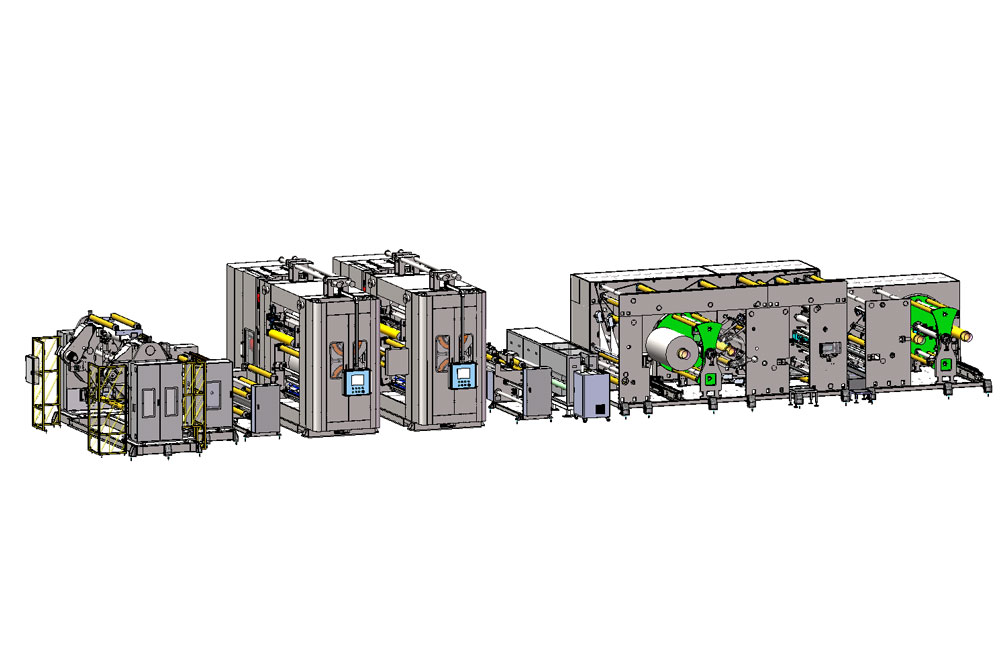
Explore our core range of precision-engineered coating and processing machines designed for high-efficiency electrode manufacturing.
The global energy storage battery market is experiencing unprecedented expansion, fuelled by the accelerating deployment of electric vehicles, grid-scale renewable energy integration, and portable consumer electronics. According to industry analysts, the global lithium-ion battery market is projected to surpass USD 400 billion by 2030, growing at a compound annual growth rate of over 18%.
At the heart of this expansion lies the electrode manufacturing process — and the Electrode Single/Double Layer High-Speed Extrusion Coating Machine is one of the most critical pieces of capital equipment enabling battery producers to scale output while maintaining the nanometer-level coating uniformity that next-generation cells demand.
Gigafactory operators from East Asia to Europe and North America are investing heavily in upgrading coating lines to achieve coating speeds exceeding 100 m/min, thinner and more consistent electrode films, and drastically reduced material waste — all decisive competitive advantages in a market defined by razor-thin margins and escalating capacity targets.
Coating quality directly determines a cell's energy density, cycle life, and safety. High-speed extrusion coating machines are the production backbone for cathode and anode electrode sheets, enabling battery plants to achieve throughput at industrial scale without sacrificing micron-level precision.
Engineered for gigafactory-grade electrode production with uncompromising precision and reliability.
Advanced extrusion die-head design enables precise single-layer and synchronous double-layer coating in a single pass, dramatically improving production efficiency and reducing equipment footprint. Dual-layer architecture is critical for next-gen solid-state and high-energy-density electrodes requiring functional gradient coatings.
Servo-driven precision tension control systems and high-rigidity machine frames allow sustained coating speeds far exceeding conventional roll-to-roll systems, enabling gigafactory-level electrode output with minimal downtime and optimal OEE performance.
Slot-die extrusion coating technology delivers exceptional wet film thickness uniformity across the full web width. Closed-loop feedback from online inline thickness measurement ensures real-time coating weight correction, achieving ±1% thickness tolerance — a prerequisite for cells targeting >300 Wh/kg energy density.
High-efficiency drying oven systems with integrated NMP solvent collection interfaces enable seamless connection to NMP recovery units, significantly reducing solvent consumption and meeting stringent environmental compliance standards for battery manufacturing facilities globally.
Full PLC automation with HMI touchscreen control, recipe management, and open-protocol MES/SCADA connectivity enables seamless integration into smart factory environments. Real-time data logging and process traceability support battery manufacturers' quality management and production optimization objectives.
Explosion-proof electrical components, sealed oven chambers, and fully interlocked safety systems ensure compliant, safe operation in NMP and other organic solvent environments, protecting operators and meeting IEC/CE/GB safety standards required by international battery manufacturers.
The electrode coating equipment landscape is evolving rapidly in response to next-generation battery chemistries and manufacturing paradigms.
The transition to solid-state electrolytes demands new electrode architectures featuring ultra-thin, multi-functional coating layers. Double-layer extrusion coating machines are already being adapted to deposit composite solid electrolyte interlayers simultaneously with the active material layer, enabling a new class of electrodes with superior ionic conductivity and safety characteristics.
Growing regulatory pressure and cost reduction initiatives are driving battery makers to explore water-based (aqueous) binder systems for cathode electrodes and dry electrode processing. Next-generation extrusion coating machines must accommodate a wider range of slurry viscosities and drying conditions, making flexible die design and precise temperature-zone control increasingly important.
Machine vision systems and AI-powered defect classification algorithms are being integrated directly into coating lines, enabling real-time detection of streaks, pinholes, and edge irregularities at production speed. Predictive maintenance AI further minimizes unplanned downtime, a critical factor for gigafactories operating on continuous production schedules.
Battery manufacturers are shifting to wider substrate formats (up to 1,500 mm or more) to maximize throughput per coating line. Extrusion coating machine designs are evolving with reinforced die structures, advanced web tension control, and precision temperature management to maintain coating uniformity across extra-wide electrode webs at high speed.
North American and European battery manufacturing localization — driven by the US Inflation Reduction Act and EU Battery Regulation — is creating new demand for high-speed extrusion coating machines from trusted suppliers capable of providing localized service support, compliance documentation, and rapid spare parts availability.
With energy costs and carbon footprint becoming critical KPIs for battery manufacturers, coating equipment OEMs are developing next-generation oven systems with heat recovery exchangers, variable-speed exhaust fan controls, and optimized airflow profiles — reducing drying energy consumption by up to 30% compared to conventional designs.
Electrode Single/Double Layer High-Speed Extrusion Coating Machines serve a diverse range of critical manufacturing use cases across the energy storage value chain.
High-speed double-layer coating enables simultaneous deposition of active material layers on both sides of aluminum or copper current collector foils for EV cathode (LFP, NMC, NCA) and anode (graphite, silicon-graphite) electrodes, maximizing throughput in automotive-grade gigafactories producing hundreds of MWh daily.
Utility-scale battery energy storage systems require large-format cells with thick, high-mass-loading electrodes. Extrusion coating machines with precision gap control and high-viscosity slurry capability produce the thick electrode films (>200 µm) needed for ESS applications that demand long cycle life and high calendar life performance.
High-reliability aerospace battery applications demand exceptional electrode coating uniformity and lot-to-lot consistency. Precision extrusion coating with full process data traceability supports the quality management requirements of aerospace-grade lithium battery programs for UAVs, satellites, and defense systems.
Ultra-thin, flexible electrode films for smartphone, tablet, and wearable device batteries require exceptionally precise thin-film extrusion coating at high speed. Slot-die coating technology achieves the sub-50-µm wet film uniformity needed for high-energy-density pouch cells in compact form factors.
Electric ships, port equipment, and heavy-duty commercial vehicles require large-capacity battery systems with robust electrode designs. High-mass-loading extrusion coating machines produce thick electrodes optimized for the high-rate partial state-of-charge cycling profiles characteristic of these demanding industrial mobility applications.
Research institutions and battery startups require compact, flexible coating machines capable of handling small substrate batches across multiple electrode chemistries. Modular extrusion coating machine designs support rapid recipe changeover, enabling next-generation battery researchers to accelerate electrode development cycles from lab to pilot scale.
From slurry preparation to finished electrode roll — a streamlined process enabled by Pengjin Technology equipment solutions.
High-speed shear dispersion of active materials, binders & conductive agents
Precision gear pump feeding to extrusion die-head at controlled flow rate
Single/double-layer slot-die coating onto current collector foil at high speed
Multi-zone oven drying with NMP solvent recovery system
Electrode compaction to target porosity and thickness
Laser cutting, X-ray inspection, and roll winding for cell assembly
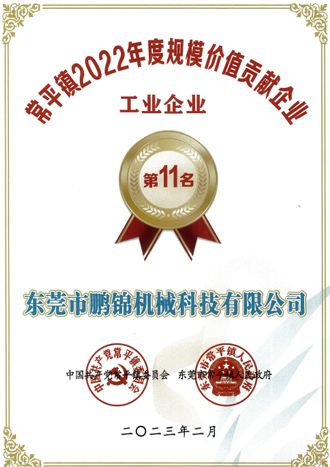
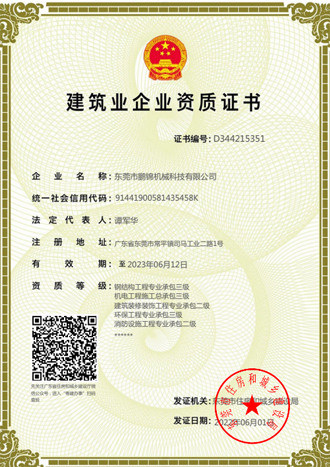
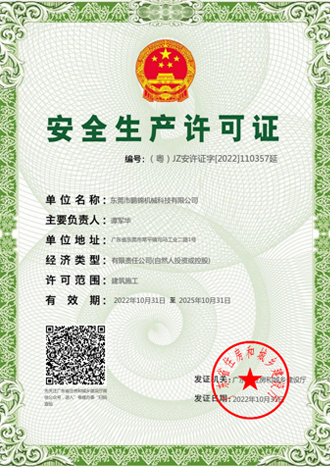
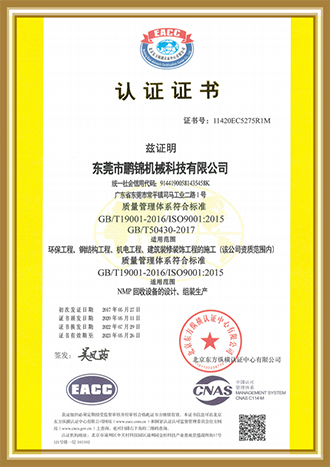
Guangdong Pengjin Intelligent Equipment Co., Ltd. (referred to as "Pengjin Technology") is a national high-tech enterprise specializing in professional equipment solutions for the new energy recycling economy. Our primary offerings include NMP recycling equipment, NMP distillation equipment, coating machines, and more.
Committed to innovation, Pengjin Technology holds 13 invention patents and over 50 utility model patents. Our team of nearly 1,000 employees, with around 20% dedicated to research and development, ensures continuous technological advancement.
With the rapid development of the lithium battery industry, the efficient use of resources and the steady improvement of efficiency are the top priority of enterprise operation and development. Pengjin Technology adheres to the corporate mission of "driving the development of new energy recycling economy with technology" and provides more perfect NMP solutions for the majority of lithium battery manufacturers and NMP manufacturers.
Pengjin team will be committed to NMP recycling, NMP circular economy and other resource recycling economy, high-tech development economy, and take solid steps to promote the high-quality development of new energy and realize the green, circular and low-carbon development of industries.
Welcome to learn more about us


For many years, we have successfully responded to the requirements of reputed customers in the market.


Contact Pengjin Technology's expert engineering team to discuss your high-speed extrusion coating requirements, request a technical consultation, or schedule a factory visit to see our equipment in operation.
Get a Free Consultation →Pengjin Technology offers a comprehensive portfolio of precision manufacturing equipment covering every stage of lithium battery electrode and cell production.