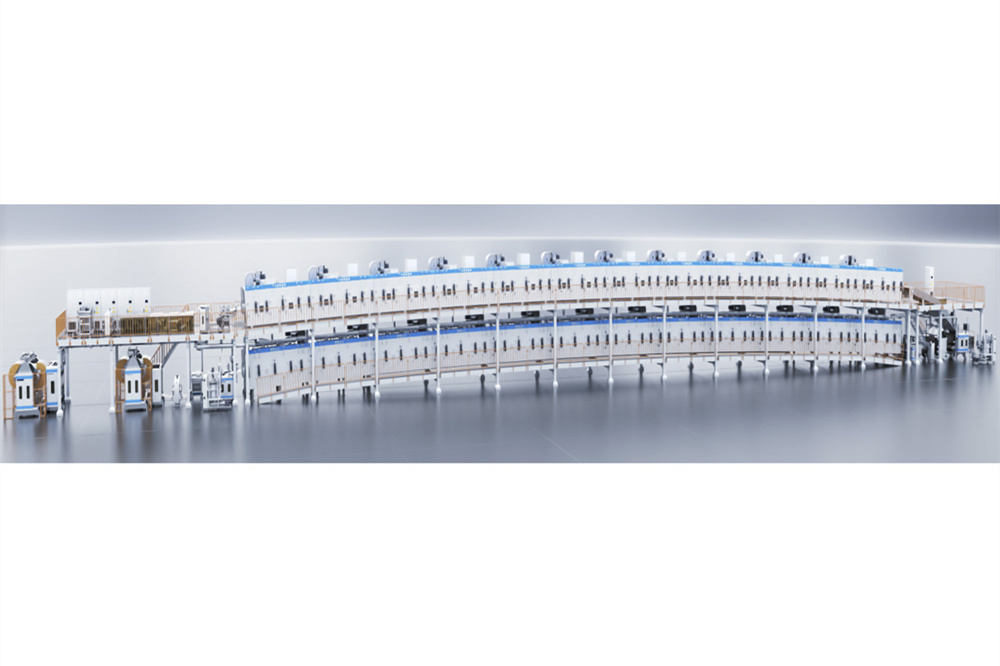
Flagship machines engineered for grid-scale and residential energy storage battery production
The global Battery Energy Storage System (BESS) market is experiencing unprecedented growth. Driven by surging renewable energy capacity, grid modernization programs and the rapid adoption of residential solar-plus-storage, demand for high-quality lithium battery electrodes has never been higher. From utility-scale 100 MWh grid installations to behind-the-meter home batteries, consistent electrode quality is mission-critical.
Electrode extrusion coating machines sit at the heart of this value chain. The precision with which active material slurry is deposited onto current collector foil directly determines cell capacity, cycle life, thermal stability and ultimately the levelized cost of storage (LCOS). Single-layer and double-layer high-speed extrusion coaters enable manufacturers to produce thicker, more uniform electrode structures at production speeds exceeding 80 m/min — a breakthrough for BESS economics.
Industry analysts project the global BESS market to exceed USD 120 billion by 2030, requiring a proportional scale-up in electrode manufacturing throughput. Advanced extrusion coating lines are the enabling technology making this possible.
Non-uniform coating thickness leads to localized lithium plating, premature capacity fade and safety risks in large-format BESS modules. Double-layer extrusion coating simultaneously applies cathode or anode slurry on both faces of the current collector in a single pass, halving production time while dramatically improving layer-to-layer alignment accuracy — a decisive advantage for energy storage manufacturers competing on cost and cycle performance.
100 kWh–500 MWh systems demand high-throughput electrode lines with zero-defect quality standards.
Compact 5–30 kWh home storage units require precision thin-film coatings for long cycle life.
Iron-phosphate cathodes favoured for BESS need thick, stable coatings at controlled speeds.
High-energy-density chemistries require precise double-layer co-extrusion for gradient electrodes.
Engineered for the demanding quality requirements of modern BESS electrode production
Closed-loop feedback from inline basis weight sensors maintains coating uniformity within ±0.5% across the full web width — eliminating capacity variation between BESS cells and modules.
Simultaneous dual-side coating in one pass increases throughput by up to 100% compared to sequential single-side coating, reducing floor space and NMP solvent consumption for BESS manufacturers.
Multi-zone infrared and hot-air drying towers integrated with NMP recovery systems achieve >99.5% solvent capture, meeting environmental standards while reducing operating costs for grid-scale factories.
IoT-enabled real-time data acquisition monitors die pressure, slurry viscosity, web tension and coating thickness simultaneously, enabling predictive maintenance and MES integration for Industry 4.0 factories.
Handles aluminium foil (8–20 μm) for cathodes and copper foil (6–12 μm) for anodes, accommodating all mainstream BESS electrode formats including large-area prismatic and cylindrical cell designs.
Advanced die-lip geometry and servo tension control maintain stable bead formation at elevated speeds, delivering the GWh-scale electrode throughput required by leading BESS gigafactories.
How electrode extrusion coating machines drive value across the BESS value chain
Grid operators deploy hundreds of MWh of BESS for frequency regulation, voltage support and peak demand management. These applications demand cells with exceptionally tight capacity matching (within 2%). High-speed double-layer extrusion coaters producing uniform LFP or NMC electrodes at 60–80 m/min are the only production-proven technology capable of supplying GWh volumes with the consistency required for series-connected battery racks.
Homeowner-facing BESS products compete intensely on cycle life, warranty and energy density. Electrode coating uniformity directly governs cycle fade rate — a 1% improvement in coating weight CV can extend warrantable cycle life by 3–5%. Our extrusion coaters enable residential BESS manufacturers to differentiate on performance while maintaining the cost efficiency demanded by the mass consumer market.
Offshore wind farms and large solar parks increasingly pair generation assets with multi-hour BESS installations. These projects require cells tolerant of deep-cycling and wide temperature ranges. Double-layer extrusion coating enables co-deposition of primary active material with conductive additive overcoats, creating gradient electrode structures that significantly improve rate capability and thermal resilience in these demanding environments.
Factories, data centres and commercial buildings deploy 100 kWh to 10 MWh BESS for demand charge management and backup power. C&I cells require high power-to-energy ratios achievable through thinner, precisely coated electrodes. Our single-layer high-speed coaters excel at producing the thin-film (80–120 μm) high-power electrodes these applications demand, with changeover times under 30 minutes for mixed-product manufacturing.
Electric locomotives, ferries and port equipment require ruggedised BESS with superior vibration tolerance and high charge/discharge rates. Extrusion-coated electrodes with controlled porosity and binder distribution outperform doctor-blade coated alternatives in mechanical adhesion tests, making our equipment the preferred choice for manufacturers supplying this demanding segment.
As the BESS ecosystem matures, manufacturers are exploring electrode architectures compatible with semi-solid and all-solid-state electrolytes. Our extrusion coaters are engineered with adjustable die geometry and temperature-controlled manifolds to handle the higher-viscosity slurries required for solid-state electrode processing — future-proofing your manufacturing investment as next-generation chemistries commercialise.
Key macro forces accelerating the adoption of advanced extrusion coating in BESS manufacturing
Over 300 GWh of new BESS-dedicated cell capacity is announced globally through 2030, each gigafactory requiring dozens of high-speed coating lines.
Regulatory pressure to eliminate NMP solvents drives demand for water-based and dry electrode processes — both enabled by next-generation extrusion coating platforms.
Machine vision and AI inference engines integrated into coating lines enable real-time defect classification and autonomous parameter adjustment, reducing scrap rates below 0.3%.
BESS energy density roadmaps require electrode loadings above 4 mAh/cm² — achievable only with precision high-pressure extrusion dies capable of stable thick-film deposition.
Guangdong Pengjin Intelligent Equipment Co., Ltd. (referred to as "Pengjin Technology") is a national high-tech enterprise specializing in professional equipment solutions for the new energy recycling economy.
Our primary offerings include NMP recycling equipment, NMP distillation equipment, electrode coating machines, and more. Committed to innovation, Pengjin Technology holds 13 invention patents and over 50 utility model patents. Our team of nearly 1,000 employees, with around 20% dedicated to research and development, ensures continuous technological advancement in BESS manufacturing equipment.
Innovative tech services for customer success and employee fulfillment
Leading new energy intelligent manufacturing
Driving the development of new energy circular economy
Honesty, pragmatism, pioneering spirit, pursuit of excellence
With the rapid development of the lithium battery industry, the efficient use of resources and the steady improvement of efficiency are the top priority of enterprise operation and development. Pengjin Technology adheres to the corporate mission of "driving the development of new energy recycling economy with technology" and provides more perfect NMP solutions for the majority of lithium battery manufacturers and NMP manufacturers.
On the road of circular economy, Pengjin team will take excellent steps, keep pace with time; work together for a win-win situation, and create a more efficient tomorrow.
Pengjin team will be committed to NMP recycling, NMP circular economy and other resource recycling economy, high-tech development economy, and take solid steps to promote the high-quality development of new energy and realize the green, circular and low-carbon development of industries.
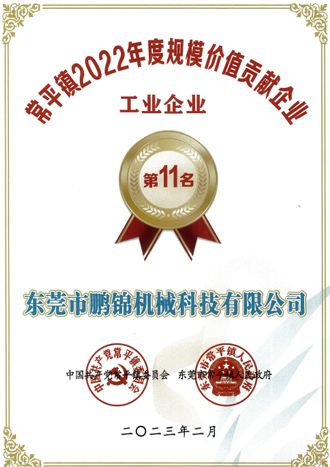
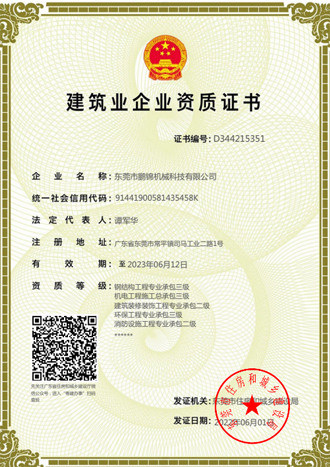
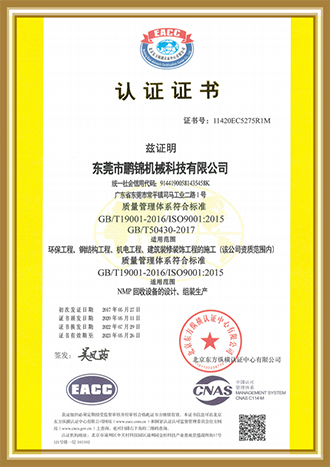
Internationally recognised quality and intellectual property credentials
For many years, we have successfully responded to the requirements of reputed customers in the BESS and lithium battery manufacturing market.
Full-line solutions for grid-scale and residential energy storage system production