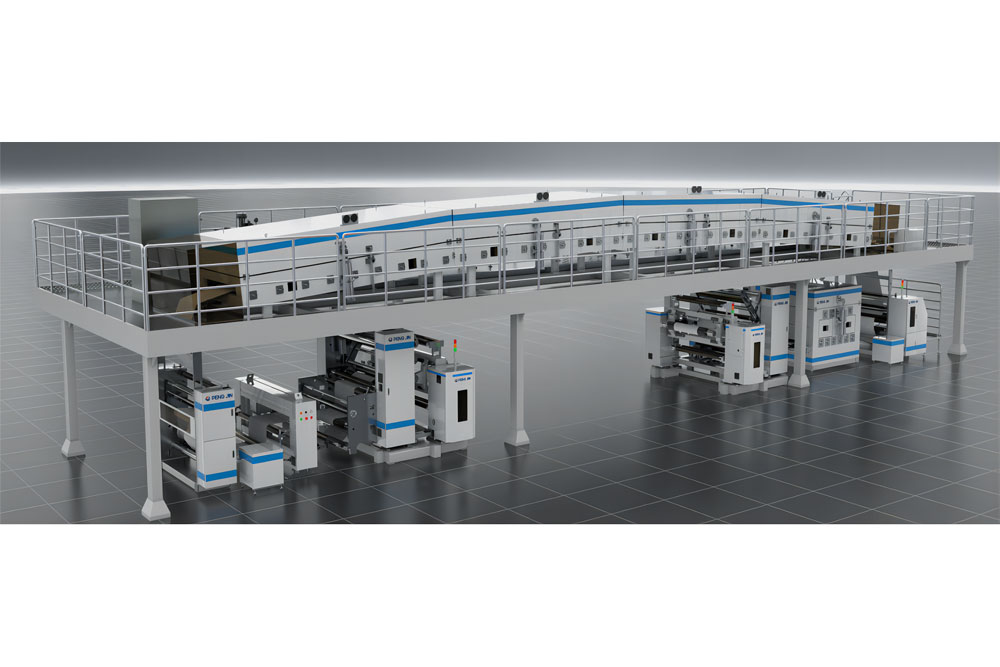
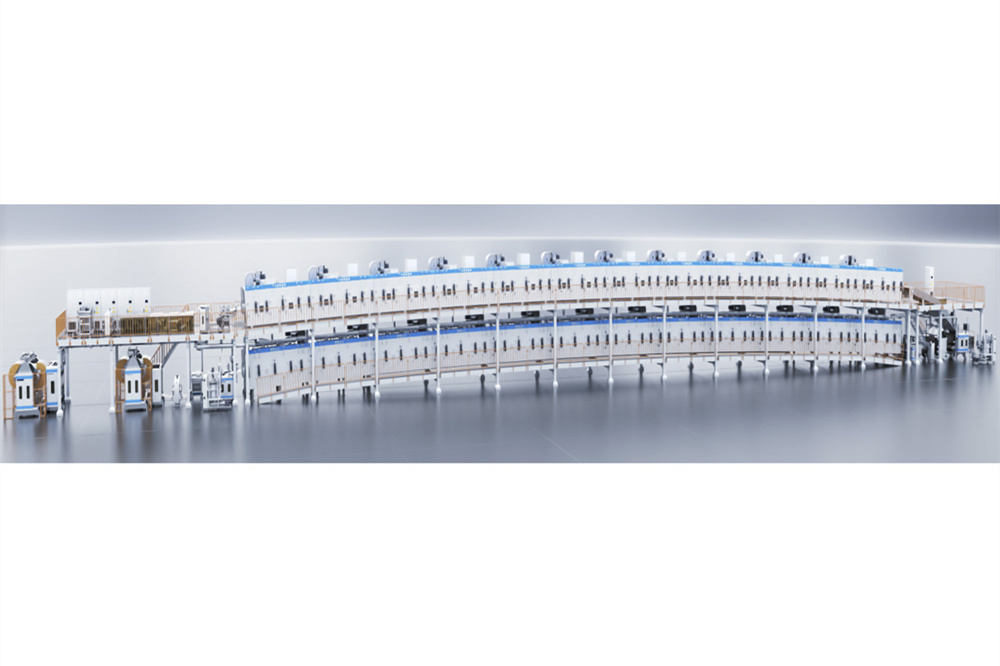
Precision-engineered equipment delivering superior coating quality and energy savings for lithium battery production lines.
The global electric vehicle market is undergoing a seismic transformation. With EV sales surpassing 14 million units in 2023 and projected to exceed 45 million by 2030, battery manufacturers face mounting pressure to scale production while simultaneously cutting energy costs and carbon emissions. At the heart of this challenge lies the electrode coating process — one of the most energy-intensive steps in lithium-ion battery manufacturing.
Traditional coating systems rely on solvent-based slurry application with extensive drying ovens, consuming enormous amounts of thermal energy. Energy-efficient coating systems are engineered to address this directly: by optimizing coating weight uniformity, minimizing solvent evaporation losses, and integrating intelligent heat recovery, modern systems can reduce coating line energy consumption by 20–35% compared to legacy equipment.
Leading battery manufacturers in China, South Korea, Germany, and the United States are now mandating energy-performance benchmarks for new coating equipment procurements — making energy-efficient coating systems not just an option, but a competitive necessity.
Understanding the commercial and industrial forces reshaping EV battery coating technology worldwide.
Battery gigafactories in the EU and China are subject to strict carbon accounting regulations. Energy-efficient coating systems contribute directly to Scope 1 emission reductions, with some facilities reporting up to 8,000 tonnes of CO₂ avoided annually per coating line upgrade.
The rise of solid-state batteries, high-nickel NMC cathodes, and silicon-anode materials demands coating systems with unprecedented precision and chemical compatibility. Energy-efficient designs now incorporate adaptive tension control and multi-solvent handling to support tomorrow's battery architectures.
Industry 4.0 connectivity is transforming coating lines into smart systems. AI-driven real-time defect detection, digital twin simulations, and predictive maintenance algorithms are now embedded in leading coating platforms, enabling sub-1% yield loss rates and energy usage optimization through machine learning.
N-methyl-2-pyrrolidone (NMP), the primary solvent in cathode slurry coating, is expensive, toxic, and tightly regulated. Closed-loop NMP recovery systems achieving >97% recovery rates are becoming standard — transforming a major operating cost into a circular resource and dramatically lowering environmental liability.
With over 400 GWh of new battery capacity under construction globally, coating equipment suppliers face demand surges across Asia, Europe, and North America. This growth is accelerating standardization of energy-efficient coating specifications across the entire battery supply chain.
Waterborne cathode coating and pioneering dry electrode processes (as pioneered by Tesla's Maxwell acquisition) represent the frontier of energy reduction — potentially eliminating drying ovens entirely. Early commercial implementations are already proving energy savings exceeding 50% versus conventional wet coating lines.
From electrode manufacturing to specialized functional layers, energy-efficient coating systems serve a wide range of critical EV battery production needs.
The primary application — applying active material slurries (NMC, LFP, graphite) onto aluminum and copper current collectors with extreme thickness uniformity. Energy-efficient slot-die and gravure coaters achieve ±1μm tolerance while reducing oven energy draw through optimized airflow and heat recovery integration, critical for meeting EV range performance targets.
Ceramic alumina (Al₂O₃) and PVDF coatings on polyolefin separators enhance thermal stability and prevent short circuits. Precision micro-gravure coaters apply nanometer-thin functional coatings at high speed with minimal solvent consumption — directly reducing the energy burden of downstream drying zones while improving battery safety ratings.
Gravure electrode priming coating machines apply conductive carbon or adhesion-promoting primer layers to current collectors before active material deposition. This two-stage approach improves electrode adhesion, reduces internal resistance, and enables thinner active layers — translating to measurable energy savings in both the coating process and the battery's operational lifecycle.
EV battery thermal management systems require precision-coated heat dissipation films and thermally conductive adhesive layers. Energy-efficient roll-to-roll coating systems enable high-throughput production of these components with consistent thermal conductivity values — a critical quality parameter for battery pack longevity in extreme operating conditions.
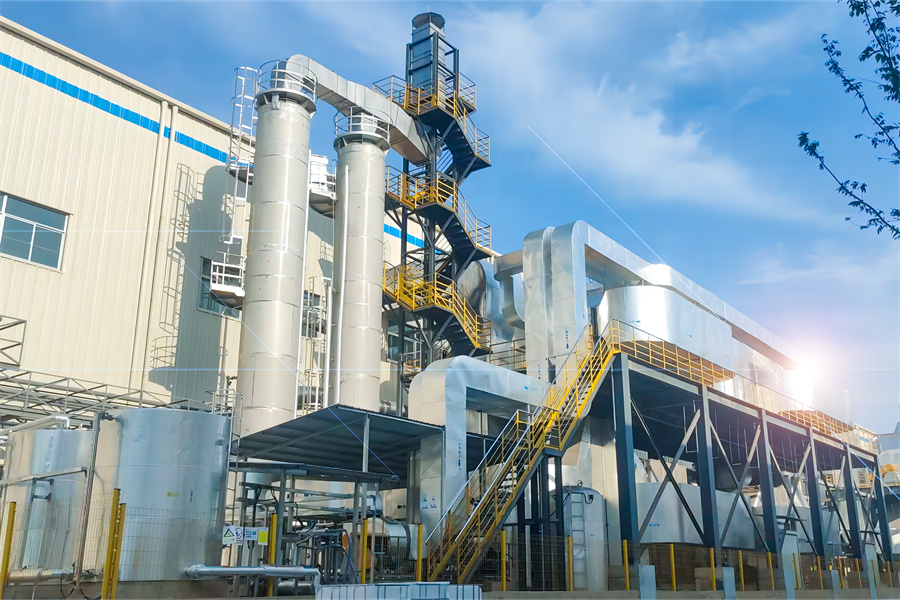
Integrated NMP recovery systems capture and purify solvent vapors from coating oven exhaust streams, achieving recovery rates up to 98%. This dramatically reduces both raw material costs (NMP costs $2,000–$3,500/tonne) and VOC emissions, while recovered NMP purity levels exceed 99.5% for direct reuse in slurry preparation — a cornerstone of circular economy battery manufacturing.
As solid-state battery commercialization accelerates, coating systems must handle highly viscous ceramic electrolyte slurries and ultra-thin film deposition requirements. Advanced extrusion coating heads with precision metering pumps and temperature-controlled manifolds are being engineered now to serve the solid-state battery market of 2026–2030, positioning energy-efficient platforms at the forefront of battery innovation.
Among all energy efficiency measures in battery electrode coating, NMP recovery systems deliver the most compelling ROI. A single large-format coating line can consume 200–500 tonnes of NMP annually. Without recovery, this represents both a direct material cost of up to $1.75 million per year and a significant environmental compliance burden.
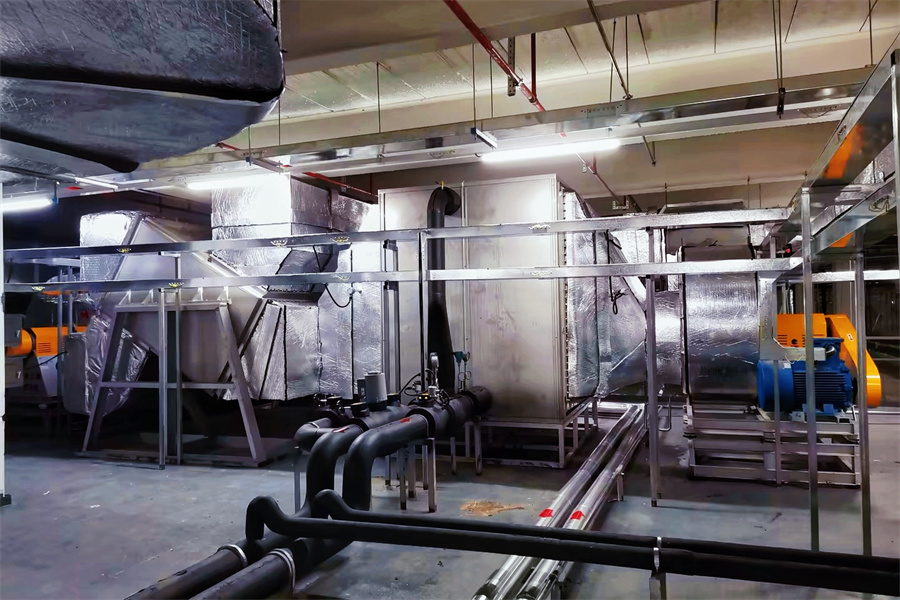
Modern distillation-based NMP recovery systems integrate seamlessly with coating oven exhaust management, capturing solvent vapors through activated carbon adsorption or condensation-based recovery before purifying via multi-stage distillation. The result: recovered NMP purity exceeding 99.5%, direct feed-back to slurry preparation, and a payback period often under 18 months.
Pengjin Technology's NMP recovery systems have been deployed at multiple top-tier battery manufacturers across China, demonstrating consistent performance metrics that exceed regulatory requirements while supporting corporate ESG commitments.
A national high-tech enterprise at the forefront of energy-efficient coating and NMP recovery technology for the new energy industry.
Welcome to learn more about us
Innovative tech services for customer success and employee fulfillment
Leading new energy intelligent manufacturing
Driving the development of new energy circular economy
Honesty, pragmatism, pioneering spirit, pursuit of excellence
With the rapid development of the lithium battery industry, the efficient use of resources and the steady improvement of efficiency are the top priority of enterprise operation and development. Pengjin Technology adheres to the corporate mission of "driving the development of new energy recycling economy with technology" and provides more perfect NMP solutions for the majority of lithium battery manufacturers and NMP manufacturers. On the road of circular economy, Pengjin team will take excellent steps, keep pace with time; work together for a win-win situation, and create a more efficient tomorrow.
Pengjin team will be committed to NMP recycling, NMP circular economy and other resource recycling economy, high-tech development economy, and take solid steps to promote the high-quality development of new energy and realize the green, circular and low-carbon development of industries.
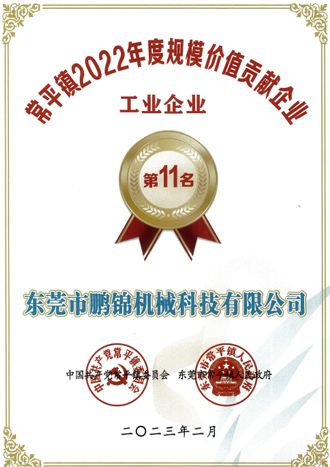
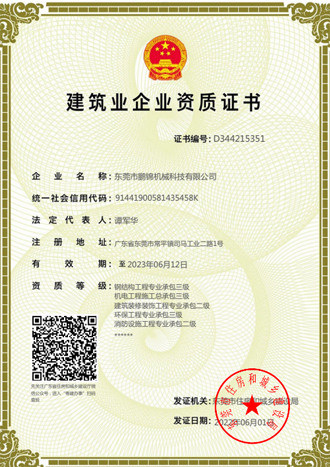
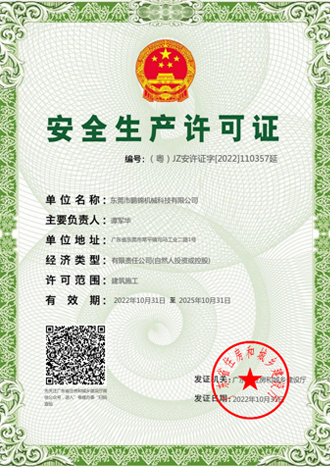
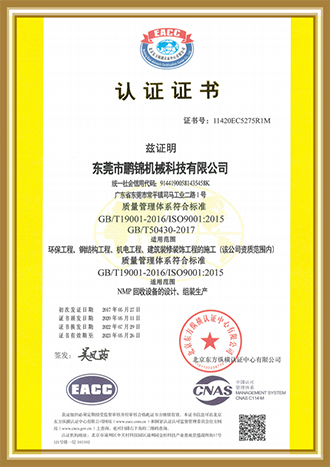
Internationally recognized certifications validating our technology and quality management excellence.


For many years, we have successfully responded to the requirements of reputed customers in the market.


Explore our full range of precision coating and NMP recovery solutions engineered for EV battery manufacturing excellence.