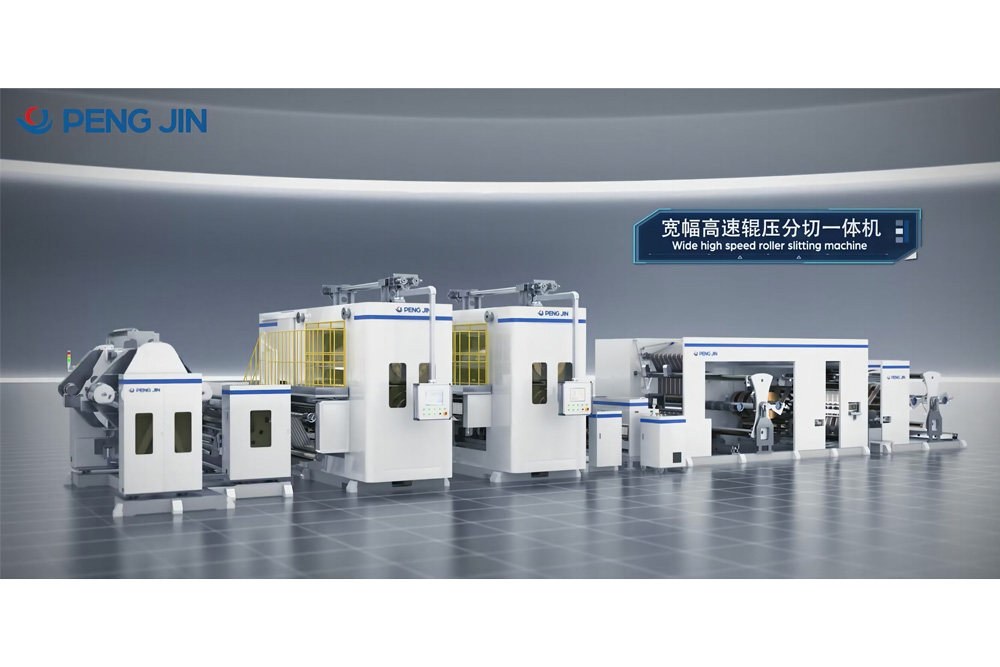
Core equipment series designed to meet the precision and efficiency demands of Germany's new energy and advanced manufacturing industries.
Engineered for Germany's gigafactory-scale dry electrode production β delivering ultra-precise thickness control for next-generation solid-state batteries.
View Details
High-precision packaging solutions for pouch cell production lines, meeting the strict quality standards of Germany's automotive battery supply chain.
View Details
Advanced laser welding technology for battery cell lid sealing, offering micron-level accuracy required by German Tier-1 automotive suppliers.
View Details
Flexible winding and stacking integration for diverse cell formats, supporting Germany's transition to high-energy-density EV battery platforms.
View DetailsGermany stands at the forefront of Europe's battery manufacturing revolution, creating unprecedented demand for precision calendering equipment.
Germany's automotive transformation is driving massive investment in domestic battery cell production. Manufacturers like Volkswagen's PowerCo, BMW, and Mercedes-Benz require calender machines capable of processing electrodes at speeds exceeding 80 m/min with Β±1 Β΅m thickness tolerance β the precision benchmark for German OEM supply chains.
Germany hosts world-renowned battery research centers including the Fraunhofer Institute for Manufacturing Technology (IFAM), Helmholtz Institute Ulm (HIU), and MEET Battery Research Center in MΓΌnster. These institutions demand laboratory-scale and pilot-line calender machines for solid-state and dry-electrode R&D programs.
Germany's Energiewende policy targets 80% renewable electricity by 2030, accelerating large-format stationary energy storage deployment. Grid-scale battery systems require precision-calendered electrodes to ensure cycle life and safety β creating sustained demand for industrial calender machine suppliers.
Companies such as CATL's Erfurt plant, Northvolt's German operations, and ACC are building out European supply chains. German Tier-1 automotive suppliers require calender machines that comply with IATF 16949 quality management standards and integrate seamlessly with Industry 4.0 manufacturing execution systems.
Beyond batteries, Germany's world-leading chemical industry β including companies in the Rhine-Ruhr and Rhine-Main industrial corridors β utilizes calender machines for polymer film processing, rubber compounding, and specialty coatings for industrial applications from medical devices to aerospace components.
Germany's e-bike, power tool, and consumer electronics sectors β anchored by brands like Bosch, Miele, and Siemens β require high-quality cylindrical and prismatic cells. Calender machines serving these applications must deliver consistent electrode density at high throughput while maintaining CE certification compliance.
Proven scale, innovation depth, and manufacturing excellence β your trusted calender machine partner for Germany and Europe.
We deliver more than equipment β we deliver a competitive advantage tailored to Germany's exacting industrial standards.
Our calender machines achieve electrode thickness uniformity within Β±1 Β΅m across full web widths up to 1,200 mm β meeting the stringent specifications demanded by German automotive OEMs and battery cell manufacturers operating under IATF 16949 and ISO 9001 quality frameworks.
All Pengjin calender machines feature OPC-UA communication protocols, real-time SPC data monitoring, and MES/ERP integration capabilities β fully compatible with Germany's Industrie 4.0 ecosystem and enabling seamless digital factory deployment in BMW, Volkswagen, and Mercedes-Benz supply chains.
Engineered with Germany's strict environmental regulations in mind, our equipment incorporates NMP solvent recovery systems, energy-regenerative drive systems, and low-emission designs that comply with EU Machinery Directive 2006/42/EC and support your ESG reporting objectives.
Our calender machines are CE-marked and designed to meet European safety standards including EN ISO 13849 for machinery safety, EMC Directive 2014/30/EU, and Low Voltage Directive 2014/35/EU β ensuring smooth customs clearance and operational compliance across all German federal states.
Whether you are producing 46-series cylindrical cells for the German EV market, large-format prismatic cells for BESS applications, or pouch cells for premium automotive platforms, Pengjin provides fully customized calender machine configurations matched to your specific electrode chemistry and production throughput.
Pengjin Technology provides dedicated European technical support including remote diagnostics, on-site commissioning by German-speaking engineers, spare parts warehousing in Central Europe, and 24/7 emergency response β minimizing downtime for your high-value German production lines.
Stay ahead of the technology curve with insights into the forces transforming electrode manufacturing across Germany and the EU.
Germany's battery manufacturers are rapidly transitioning toward solvent-free dry electrode processes, eliminating NMP wet coating steps entirely. This paradigm shift places dry electrode calender machines at the center of next-generation cell production, reducing energy consumption by up to 47% compared to conventional wet-process lines.
German research consortia and automotive OEMs are accelerating solid-state battery development timelines. Calendering solid electrolyte composite films requires entirely new roll pressure profiles, temperature control strategies, and surface finish specifications β driving demand for next-generation calender machine platforms with adaptive control systems.
To achieve cost parity with Asian battery manufacturers, German gigafactories are investing in wider web calender machines (up to 1,600 mm) operating at speeds exceeding 100 m/min. This trend demands advanced tension control, thermal management, and real-time defect detection integrated directly into the calendering process.
Germany's Fraunhofer institutes and battery manufacturers are deploying machine learning algorithms to optimize calender nip pressure, roll temperature profiles, and web tension in real time. Pengjin's smart calender machines provide the open data architecture and sensor density required for AI-driven process optimization platforms.
Germany's Battery Act (Batteriegesetz) and EU Battery Regulation mandate increasing recycled content in new battery cells. This creates demand for calender machines capable of processing electrodes made from hydrometallurgically recovered cathode active materials β requiring new roll surface treatments and contamination control measures.
Following EU Critical Raw Materials Act initiatives and supply chain resilience policies, German battery manufacturers are prioritizing equipment suppliers with European service networks, local spare parts availability, and German-language technical documentation β accelerating the qualification of globally competitive Asian calender machine manufacturers with strong European presence.
Pengjin calender machines are deployed across Germany's diverse industrial landscape β from Bavaria's automotive heartland to the North Sea's offshore wind energy sector.
The Brandenburg region has emerged as Germany's primary battery manufacturing hub. Calender machines deployed here must handle high-nickel NMC cathode materials at production rates exceeding 2 GWh/year per line, with automated roll-change systems to minimize scheduled downtime in 24/7 continuous operations.
Volkswagen's PowerCo gigafactory in Salzgitter targets 40 GWh annual capacity by 2025. The facility requires calender machines integrated with inline X-ray thickness measurement, automatic edge trim recycling, and roll force control systems capable of maintaining Β±0.5% density uniformity across 1,100 mm electrode webs.
BMW's Munich and Parsdorf facilities represent the premium segment of German EV battery manufacturing. Laboratory and pilot-line calender machines here support development of next-generation silicon-anode and solid-state battery chemistries, requiring exceptional flexibility in roll gap adjustment from 20 Β΅m to 500 Β΅m.
Germany's chemical industry corridor around Kaiserslautern and Ludwigshafen hosts BASF's cathode active material production and specialty chemical processing. Calender machines in this region process advanced electrode materials including lithium iron phosphate (LFP) and solid electrolyte composites for next-generation battery applications.
Hamburg's port and energy sector is deploying large-scale battery energy storage systems (BESS) to balance Germany's growing offshore wind capacity. Grid-scale battery production for North Sea wind farms requires calender machines producing high-capacity LFP electrodes with exceptional cycle life characteristics.
Stuttgart's automotive ecosystem β home to Mercedes-Benz, Bosch, and Porsche β is transitioning to full electrification. Battery cell production for AMG performance EVs and Bosch power tools requires calender machines delivering the highest electrode density uniformity and surface quality for premium product segments.
A national high-tech enterprise delivering world-class intelligent manufacturing equipment for the global new energy industry.
Guangdong Pengjin Intelligent Equipment Co., Ltd. (referred to as "Pengjin Technology") is a national high-tech enterprise specializing in professional equipment solutions for the new energy recycling economy. Our primary offerings include NMP recycling equipment, NMP distillation equipment, calender machines, coating machines, and comprehensive battery manufacturing line solutions.
Committed to continuous innovation, Pengjin Technology holds 13 invention patents and over 50 utility model patents. Our team of nearly 1,000 employees, with approximately 20% dedicated to research and development, ensures that our calender machines and battery manufacturing equipment remain at the technological frontier β delivering the precision, reliability, and intelligence demanded by Germany's world-class manufacturing industry.
Welcome to learn more about us β our values drive every calender machine we engineer.
With the rapid development of the lithium battery industry, the efficient use of resources and the steady improvement of efficiency are the top priority of enterprise operation and development. Pengjin Technology adheres to the corporate mission of "driving the development of new energy recycling economy with technology" and provides more perfect NMP solutions and calender machine systems for the majority of lithium battery manufacturers and NMP manufacturers.
On the road of circular economy, Pengjin team will take excellent steps, keep pace with time; work together for a win-win situation, and create a more efficient tomorrow. As Germany and Europe accelerate their energy transition, we are proud to serve as a reliable technology partner β bringing Chinese manufacturing excellence and innovation to Europe's most demanding industrial markets.
Pengjin team will be committed to NMP recycling, NMP circular economy and other resource recycling economy, high-tech development economy, and take solid steps to promote the high-quality development of new energy and realize the green, circular and low-carbon development of industries.
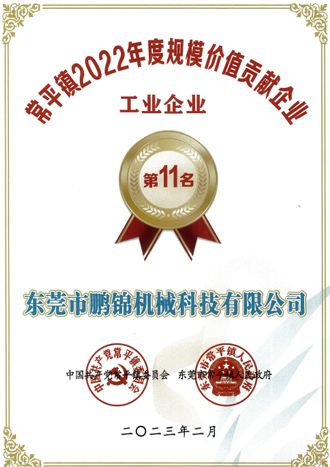
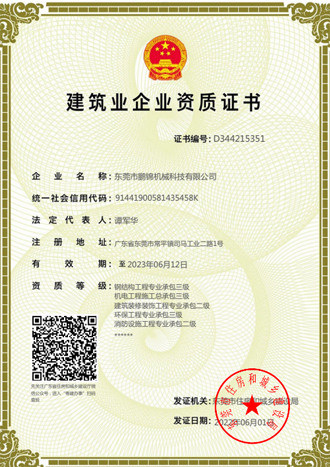
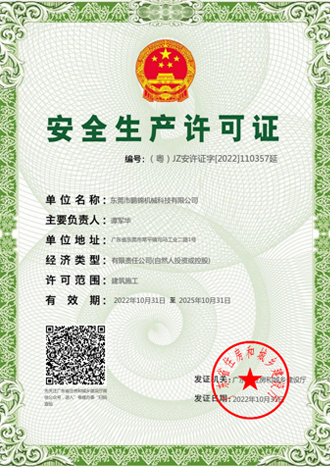
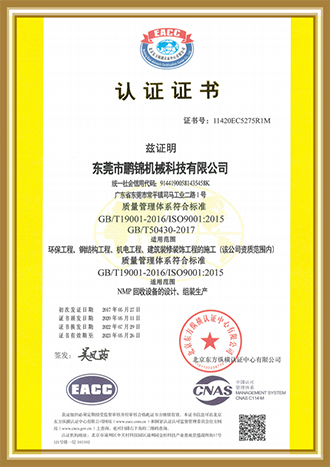
Our calender machines and manufacturing processes are backed by internationally recognized certifications β ensuring compliance with German and European regulatory requirements.
For many years, we have successfully responded to the requirements of reputed customers in the market β from China's leading battery manufacturers to global energy companies.


Beyond calender machines β a full portfolio of intelligent manufacturing equipment designed for Germany's battery cell production lines.
Contact Pengjin Technology today to discuss your calender machine requirements, request technical specifications, or schedule a factory visit. Our engineering team is ready to design the optimal solution for your Germany-based production facility.