The global EV and PHEV battery manufacturing market is projected to exceed $380 billion by 2030. With over 40 million EVs expected annually, lithium battery manufacturers must rapidly scale production capacity using precision, automated equipment to remain competitive. Battery gigafactory investments in Asia, Europe, and North America are driving a surge in demand for advanced production lines and ancillary systems.
Modern EV battery suppliers are transitioning from semi-automated lines to fully intelligent manufacturing systems. AI-assisted defect detection, automated electrode coating, precision drying and NMP solvent recovery, and robotic cell assembly are now industry benchmarks. Equipment suppliers who integrate IoT monitoring and Industry 4.0 data analytics into their product lines are becoming the preferred partners for leading battery OEMs.
Stringent environmental regulations in China, the EU, and the US mandate that battery manufacturers implement solvent recovery and waste reduction systems. NMP (N-Methyl-2-pyrrolidone) — widely used as a coating solvent in lithium battery electrode production — must be captured and recycled at over 99% efficiency. Advanced NMP distillation and recovery equipment is no longer optional; it is a critical compliance and cost-saving infrastructure for every modern EV battery plant.
Key Insight: EV battery manufacturers that invest in closed-loop NMP solvent recovery and modular production line design reduce operational costs by up to 30% and accelerate compliance with international environmental standards — unlocking preferential supply agreements with major automotive OEMs.
In EV battery manufacturing, electrode coating is one of the most critical and cost-intensive processes. Pengjin's precision coating machines deliver uniform slurry application across wide-format copper and aluminum foils, while integrated drying ovens with NMP vapor capture ensure both quality consistency and regulatory compliance. These systems are engineered for LFP, NMC, and next-generation solid-state electrode chemistries.
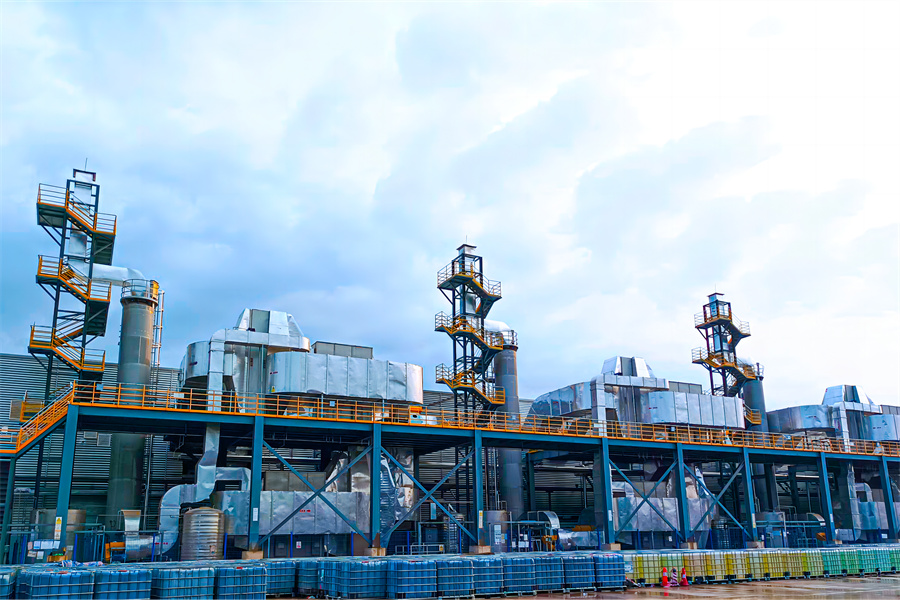
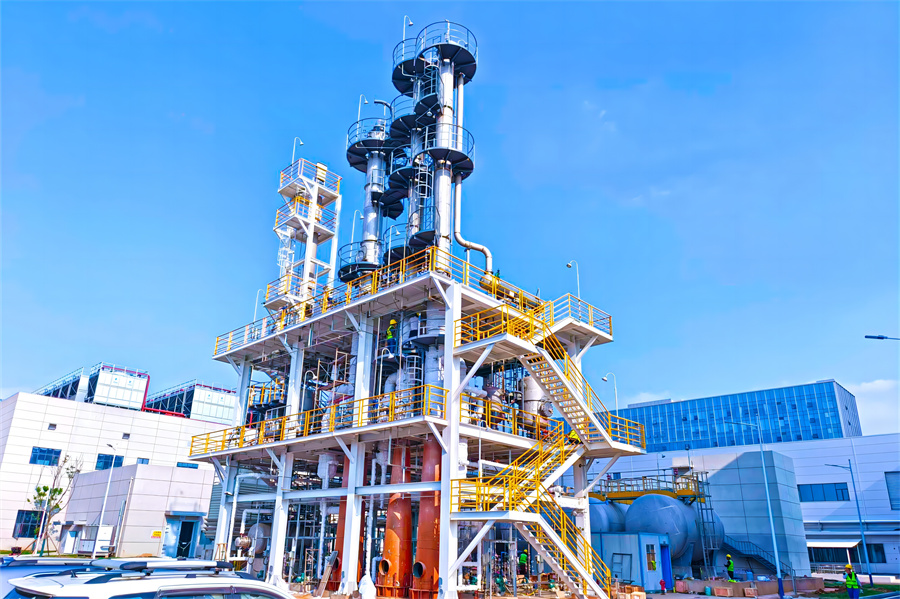
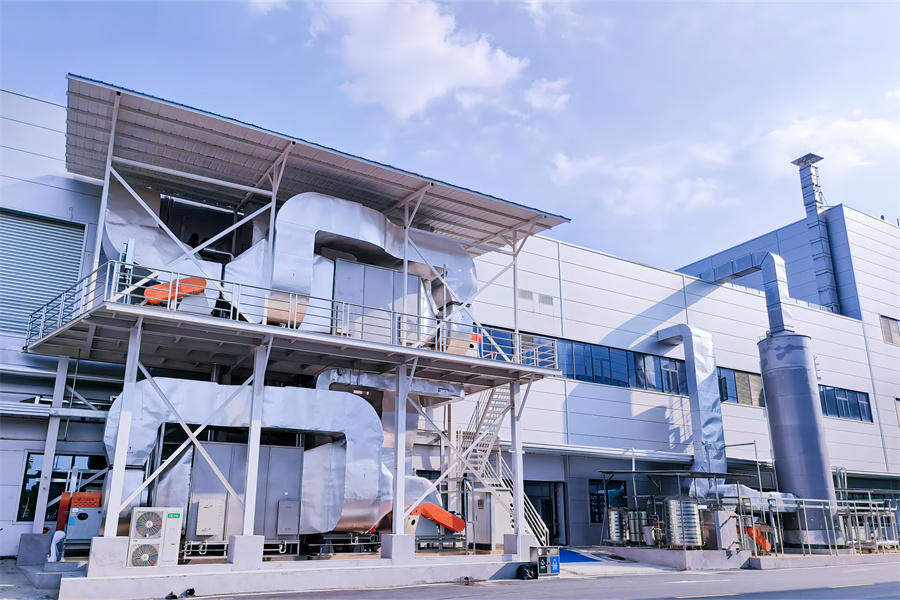
PHEV battery plants operating at gigawatt-hour scale consume thousands of liters of NMP solvent daily. Pengjin's modular NMP distillation and recovery systems — deployed at facilities such as Desai (Hunan) and Yongning FinDreams — achieve over 99.5% NMP recovery rates, dramatically reducing raw material costs and meeting strict VOC emission standards. Systems are scalable from pilot lines to multi-GWh production environments.
For EV and energy storage applications, Pengjin's integrated containerized battery PACK production lines enable rapid deployment of fully functional assembly systems in flexible locations — ideal for OEM expansion projects, joint ventures, and greenfield gigafactory builds. These turnkey solutions cover cell sorting, module assembly, BMS integration, and final PACK testing within a standardized, shippable infrastructure.
Consistency and safety in EV battery packs depend on rigorous cell-level quality control. Pengjin's battery internal resistance test machines provide high-speed, precision electrical characterization of individual cells during production, enabling real-time grading, defect rejection, and traceability. These systems are essential for Tier 1 EV battery suppliers delivering to automotive OEM qualification standards.
As automotive manufacturers accelerate adoption of cylindrical cell formats (4680 and 21700) for structural battery packs, factory layout and equipment integration planning become decisive competitive advantages. Pengjin provides end-to-end manufacturing planning and layout design services — from cell winding and electrolyte filling to formation cycling and aging — enabling battery suppliers to launch new cylindrical cell lines faster and with lower capital expenditure.
As EV battery manufacturing globalizes — with new plants established in Southeast Asia, Europe, and the Americas — equipment suppliers must offer robust international technical support. Pengjin's team of nearly 200 R&D and service engineers delivers on-site commissioning, remote diagnostics, and localized spare parts supply to ensure maximum uptime for global EV battery clients. Multi-language technical documentation and 24/7 support hotlines are standard across all major deployments.
Machine learning algorithms are being integrated into coating, formation, and testing equipment to enable predictive quality control. Real-time process data from thousands of sensors is analyzed to adjust parameters dynamically, reducing cell reject rates by up to 40% and extending equipment service life. EV battery equipment manufacturers that embed AI analytics platforms will dominate the next procurement cycle.
With solid-state lithium batteries approaching commercialization, manufacturing equipment must evolve to handle dry electrode processes, new separator materials, and radically different formation protocols. Forward-looking equipment suppliers — including those serving PHEV and full EV segments — are investing heavily in R&D to ensure their production lines are compatible with both current liquid-electrolyte designs and future solid-state architectures.
Major automotive OEMs are now mandating Scope 3 carbon accounting across their battery supply chains. This is pushing EV battery manufacturers to adopt zero-discharge solvent systems, renewable energy-powered production, and closed-loop material recycling. Equipment that natively supports these sustainability objectives — such as Pengjin's high-efficiency NMP recovery systems — commands premium pricing and preferred vendor status with environmentally committed OEM customers.
Guangdong Pengjin Intelligent Equipment Co., Ltd. (referred to as "Pengjin Technology") is a national high-tech enterprise specializing in professional equipment solutions for the new energy recycling economy. Our primary offerings include NMP recycling equipment, NMP distillation equipment, coating machines, and integrated battery manufacturing production lines. Committed to continuous innovation, Pengjin Technology holds 13 invention patents and over 50 utility model patents, with a dedicated team of nearly 1,000 employees — approximately 20% of whom are focused on research and development.
With the rapid development of the lithium battery industry, the efficient use of resources and the steady improvement of efficiency are the top priorities of enterprise operation and development. Pengjin Technology adheres to the corporate mission of "driving the development of new energy recycling economy with technology," providing comprehensive NMP solutions for lithium battery manufacturers and NMP producers worldwide. On the road of circular economy, the Pengjin team takes excellent steps, keeping pace with the times — working together for a win-win situation and creating a more efficient tomorrow.
Pengjin will continue to be committed to NMP recycling, NMP circular economy, and resource recycling economy — taking solid steps to promote the high-quality development of new energy and realizing green, circular, and low-carbon industrial development for a sustainable future.
Innovative technology services for customer success and employee fulfillment — building long-term value through intelligent manufacturing excellence.
Leading new energy intelligent manufacturing — becoming the world's most trusted equipment partner for EV and PHEV battery suppliers.
Driving the development of new energy circular economy through cutting-edge equipment solutions and sustainable manufacturing practices.
Honesty, pragmatism, pioneering spirit, and the relentless pursuit of excellence in every product we design and every partnership we build.