By 2030, the global lithium-ion battery recycling market is projected to surpass USD 35 billion, growing at a CAGR exceeding 20%. Retired EV batteries are flooding the market — with China alone expecting over 800,000 tonnes of spent batteries by 2025. This creates an urgent need for sophisticated lithium battery manufacturing equipment capable of handling disassembly, grading, reforming, and remanufacturing at industrial scale.
Second-life battery applications — from grid energy storage to low-speed EVs and telecom backup — are unlocking substantial value from batteries that still retain 70–80% of their original capacity. The economics are compelling: second-life battery packs cost 30–50% less than new packs, providing a viable path for emerging markets and cost-sensitive sectors.
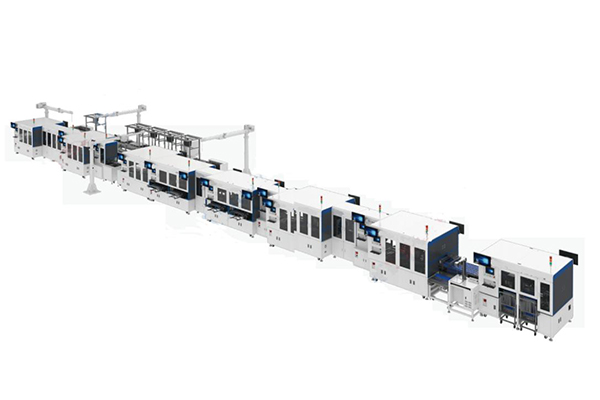
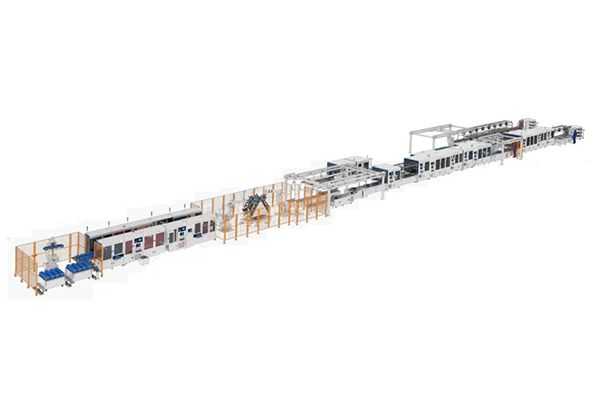
The efficiency, safety, and economics of second-life and recycling battery solutions hinge entirely on the precision of the underlying manufacturing equipment. Automated module disassembly lines, intelligent grading systems, NMP solvent recovery units, and high-throughput battery pack assembly lines are the backbone of any competitive recycling operation.
Traditional manual disassembly is being replaced by fully automated intelligent production lines featuring AI-driven quality inspection, robotic cell handling, and closed-loop process control. These systems reduce labor costs by up to 60%, improve yield rates, and ensure the safety compliance required when handling thermally and chemically sensitive retired battery cells.
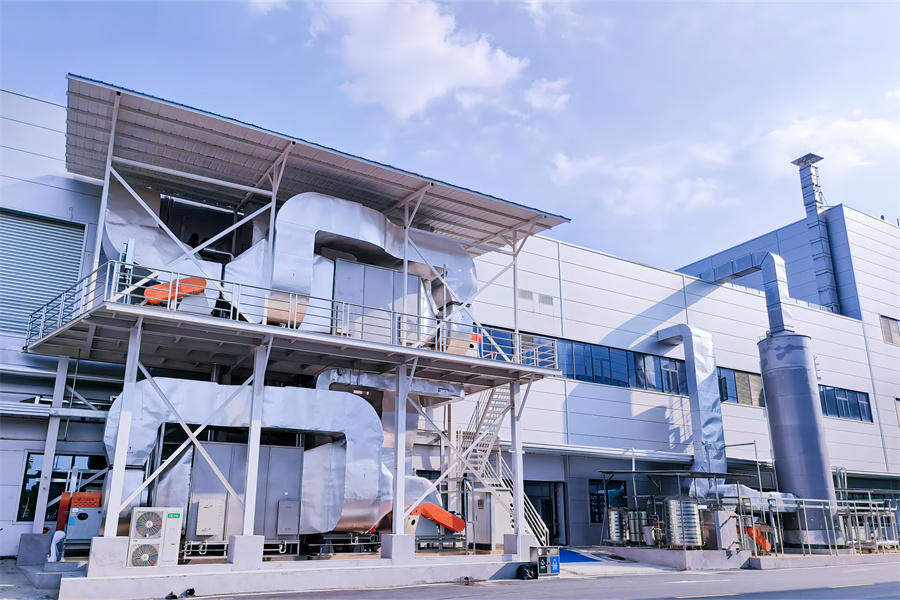
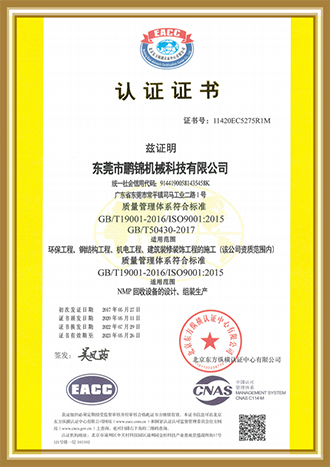
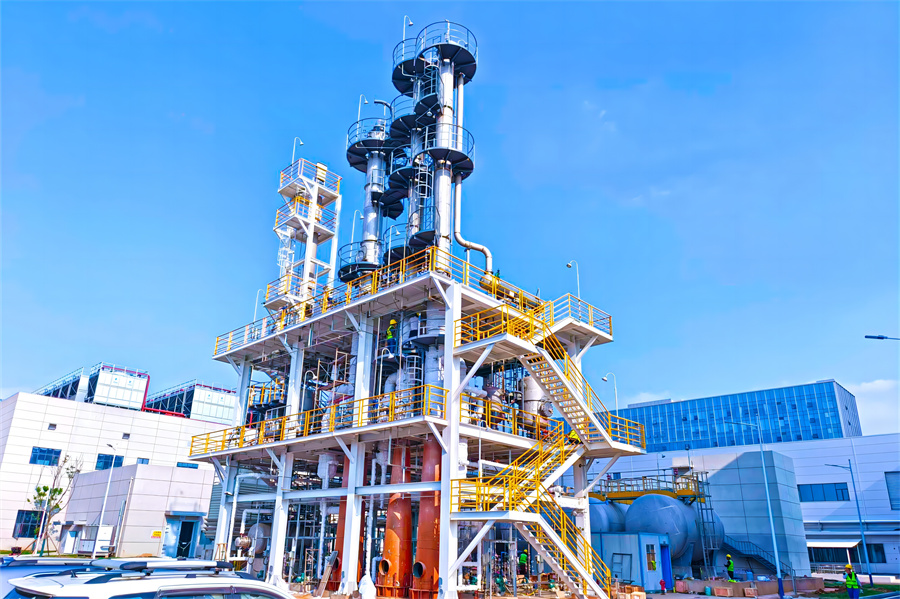
NMP (N-Methyl-2-pyrrolidone) — a solvent widely used in cathode slurry preparation — must be efficiently recovered and recycled both for cost reasons and environmental compliance. Advanced NMP recovery equipment with distillation and purification capabilities is now a mandatory component of any modern lithium battery manufacturing or recycling facility.
≥ 99% solvent recovery efficiency with advanced distillation systems — reducing costs and environmental impact simultaneously
End-to-end robotics from cell grading to pack assembly — reducing manual labor by up to 60% and improving consistency
Intelligent sorting and reforming equipment extends battery service life by 5–8 years in ESS and low-speed EV applications
Equipment designed to meet EU Battery Regulation, China GB standards, UL, and CE certification requirements
Machine learning algorithms now analyze impedance spectra, capacity fade curves, and thermal behavior to automatically grade retired cells in milliseconds — enabling high-throughput second-life qualification at scale. This eliminates costly manual testing and dramatically improves the economics of battery remanufacturing operations.
Modern battery recycling facilities demand flexibility. Next-generation lithium battery manufacturing equipment is designed with modular architecture — allowing operators to quickly reconfigure lines for different cell formats (pouch, prismatic, cylindrical) and scale capacity from pilot to full industrial production without wholesale equipment replacement.
As environmental regulations tighten globally, closed-loop NMP distillation and recovery systems have become mandatory rather than optional. Advanced systems achieve >99% recovery rates while simultaneously purifying recovered NMP to battery-grade purity — creating a circular solvent economy that reduces operating costs by millions annually for large-scale cathode manufacturers.
Beyond hydrometallurgy and pyrometallurgy, direct recycling — which preserves cathode material structure — is emerging as the most efficient recovery route. Specialized manufacturing equipment for relithiation, re-sintering, and electrochemical re-formation of cathode materials is now entering commercial deployment, promising recovery efficiencies exceeding 95% for Li, Co, and Ni.
Leading equipment manufacturers now embed IoT sensors, edge computing modules, and digital twin frameworks into battery manufacturing lines. Real-time process optimization, predictive maintenance alerts, and remote diagnostics reduce unplanned downtime by up to 35% and enable continuous yield improvement — critical for the thin margins in battery recycling operations.
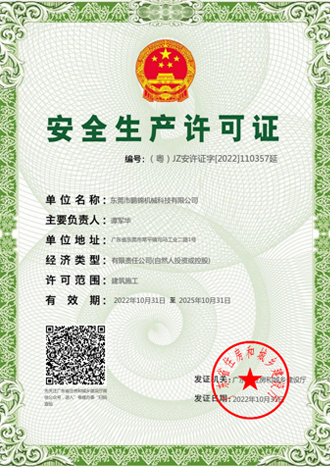
Safety is paramount when handling retired lithium batteries with unknown degradation states. Next-generation disassembly and grading equipment incorporates real-time thermal imaging, gas detection, automated isolation chambers, and explosion-proof enclosures — meeting the stringent safety requirements of insurance underwriters and regulatory bodies worldwide.
Retired EV battery packs — from passenger cars, buses, and two-wheelers — undergo automated disassembly, cell-level grading, module reforming, and repackaging using precision assembly lines. Pouch and prismatic module assembly equipment enables the production of certified second-life packs for low-speed EVs, forklifts, and industrial vehicles. This market segment alone is projected to reach USD 4.5 billion by 2028.
Second-life lithium batteries — particularly retired LFP packs from EVs — are finding a second purpose in utility-scale and commercial ESS deployments. Battery pack automation lines reconfigure retired modules into standardized ESS rack formats, complete with BMS integration and fire suppression systems. Projects in China, Europe, and the US are demonstrating 30–50% cost reductions versus new-battery ESS installations.
Telecom tower operators in emerging markets represent a massive addressable market for second-life lithium battery solutions. Automated production lines capable of handling mixed cell batches and producing standardized 48V rack systems are enabling telecom operators to replace aging VRLA batteries with cost-effective second-life lithium packs — improving energy density, cycle life, and remote monitoring capability.
For batteries that have degraded beyond second-life viability, the cathode active material — containing lithium, cobalt, nickel, and manganese — represents enormous recoverable value. Specialized manufacturing equipment for hydrometallurgical leaching, solvent extraction, and co-precipitation enables the production of battery-grade precursor materials (pCAM) that can re-enter the primary battery supply chain, closing the circular economy loop completely.
Second-life battery packs are increasingly being deployed as buffer storage at EV fast-charging stations — peak-shaving grid demand spikes and enabling DC fast charging in locations where grid capacity is limited. This application requires battery pack automation lines capable of producing thermally managed, BMS-equipped packs meeting the stringent cycle life requirements of commercial charging environments.
Battery manufacturers and recyclers operating certified second-life and recycling operations are increasingly monetizing carbon credits under emerging regulatory frameworks. NMP recovery systems, closed-loop water treatment, and energy-efficient automation lines are quantifiable in sustainability reporting — enabling companies to access green financing, meet scope 3 emissions targets, and comply with evolving extended producer responsibility (EPR) regulations.
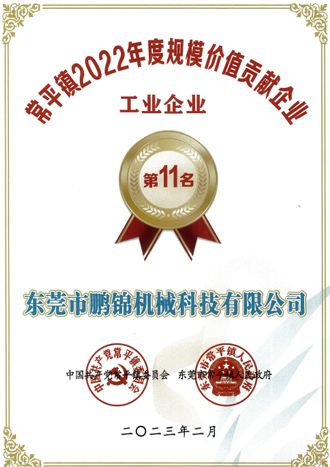
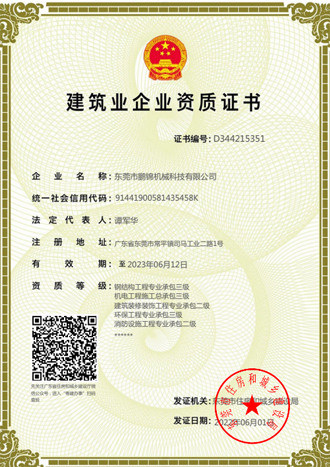
Guangdong Pengjin Intelligent Equipment Co., Ltd. (referred to as "Pengjin Technology") is a national high-tech enterprise specializing in professional equipment solutions for the new energy recycling economy. Our primary offerings include NMP recycling equipment, NMP distillation equipment, coating machines, battery module assembly lines, and battery pack automation systems.
Committed to continuous innovation, Pengjin Technology holds 13+ invention patents and over 50 utility model patents. Our team of nearly 1,000 employees — with approximately 20% dedicated to research and development — ensures relentless technological advancement and responsive customer support across global markets.
As a trusted partner to leading lithium battery manufacturers, cathode material producers, and recycling enterprises across China and internationally, Pengjin Technology is committed to its mission of "driving the development of the new energy circular economy with technology."
Innovative tech services for customer success and employee fulfillment
Leading new energy intelligent manufacturing
Driving the development of new energy circular economy
Honesty, pragmatism, pioneering spirit, pursuit of excellence
With the rapid development of the lithium battery industry, the efficient use of resources and the steady improvement of efficiency are the top priority of enterprise operation and development. Pengjin Technology adheres to the corporate mission of "driving the development of new energy recycling economy with technology" and provides more perfect NMP solutions for the majority of lithium battery manufacturers and NMP manufacturers. On the road of circular economy, Pengjin team will take excellent steps, keep pace with time; work together for a win-win situation, and create a more efficient tomorrow.
Pengjin team will be committed to NMP recycling, NMP circular economy and other resource recycling economy, high-tech development economy, and take solid steps to promote the high-quality development of new energy and realize the green, circular and low-carbon development of industries.