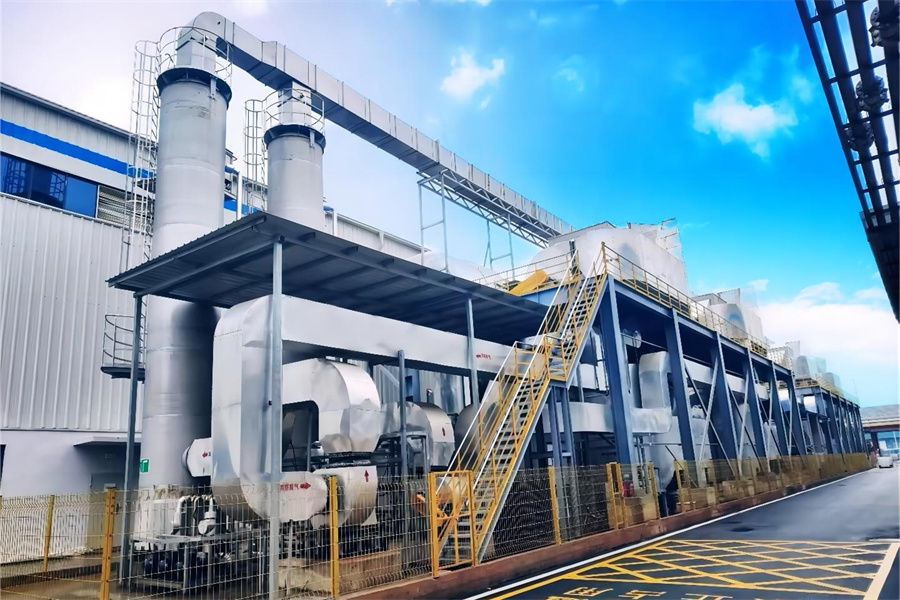
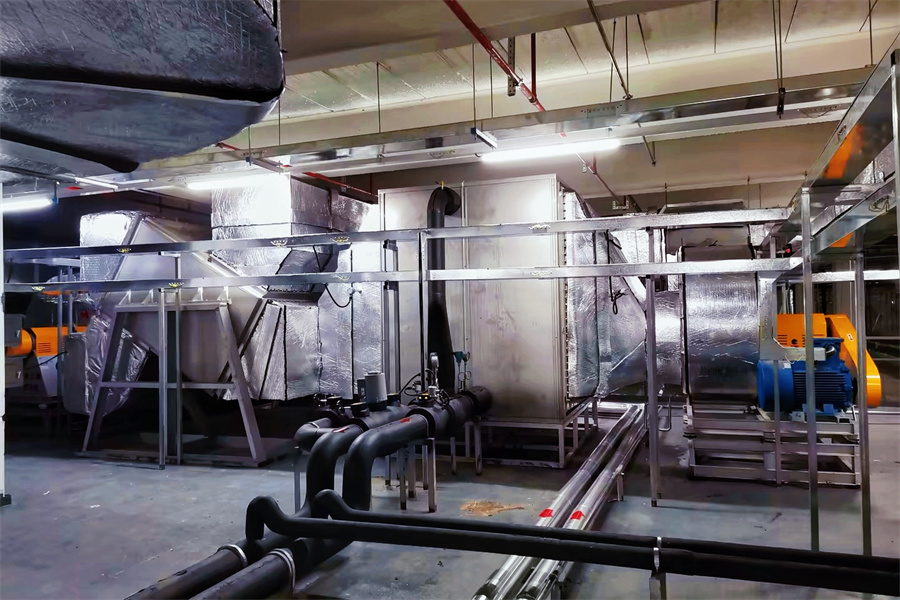
Battery Energy Storage Systems (BESS) — whether deployed at the grid-scale level spanning megawatt hours of capacity or at the residential level powering individual homes — depend fundamentally on lithium-ion cell manufacturing. A critical yet often overlooked stage of this manufacturing process involves the use of N-Methyl-2-Pyrrolidone (NMP), a high-boiling polar solvent used as a dispersing agent in electrode slurry preparation for both cathode and anode coating processes.
♻️
Why Solvent Recycling Matters for BESS
NMP is indispensable in electrode manufacturing but comes at a significant cost — both financially and environmentally. A single large-scale BESS gigafactory can consume hundreds of tonnes of NMP per month. Without effective recovery, this translates into enormous raw material waste, volatile organic compound (VOC) emissions, and serious regulatory liability. Solvent recycling systems capture NMP-laden vapor from drying ovens, distill and purify it, then return high-purity NMP back to the production line — achieving recovery rates exceeding 99% in advanced installations.
💡 Industry data indicates that every 1 tonne of recovered NMP saves manufacturers approximately $2,000–$3,500 USD in raw material costs, while simultaneously reducing hazardous waste disposal fees and carbon footprint per kWh of battery produced.
Commercial & Industrial Landscape of Solvent Recycling in BESS
The global BESS market has entered a phase of exponential growth. Driven by grid stabilization demands, renewable energy integration, and decarbonization commitments, installed BESS capacity is forecast to exceed 1,100 GWh annually by 2030, up from around 45 GWh in 2022. This growth directly amplifies the scale of lithium battery electrode manufacturing — and therefore the demand for industrial NMP solvent recovery infrastructure.
🏭
Grid-Scale BESS: Industrial-Grade Solvent Recovery
Grid-scale BESS projects — such as those deployed by utility operators, renewable power developers, and national grid operators — require massive battery cell production. A single grid-scale BESS project may require millions of battery cells. Manufacturing facilities supporting this demand operate continuous electrode coating lines where NMP evaporation and recovery must run 24/7 without interruption. In this context, industrial solvent recycling systems must provide: continuous distillation throughput (often 5–50 tonnes/day), automated monitoring and control, heat integration to minimize energy consumption, and compliance with increasingly strict VOC emission standards in the EU, USA, China, and Southeast Asia.
🏠
Residential BESS: Driving Distributed Manufacturing Demand
The residential energy storage market — led by products such as home battery systems — is growing at over 30% CAGR as homeowners seek energy independence and backup power. While individual residential units are smaller, the aggregate manufacturing volume is enormous. Dedicated production lines for residential BESS cells require equally rigorous solvent management. Compact, modular NMP recovery units designed for mid-scale manufacturing facilities are increasingly in demand, enabling smaller manufacturers and contract manufacturers to adopt circular solvent practices without the capital expenditure of full gigafactory-scale installations.
Deep-Dive Application Scenarios: Where Solvent Recycling Transforms BESS Economics
1. Cathode Electrode Slurry Coating Lines
The primary application for NMP in BESS manufacturing is the preparation and coating of cathode electrode slurry — a mixture of active material (e.g., LFP, NMC, NCA), conductive agents, and PVDF binder dissolved in NMP. After coating, the electrode web passes through long drying tunnels where NMP evaporates at elevated temperatures (80–130°C). Solvent recycling systems connected directly to these drying ovens capture over 95% of evaporated NMP vapor, condense it, and feed it to a distillation unit that separates water and impurities, returning battery-grade purity NMP to the slurry mixing station.
2. Anode Binder Systems & Aqueous Alternatives Transition
While many anode systems have transitioned to water-based binders, certain silicon-composite and next-generation anode chemistries targeted at high-energy BESS applications still require NMP-based processing. As BESS manufacturers push for higher energy density to reduce the physical footprint of both grid and residential systems, silicon-anode technologies will sustain NMP demand alongside cathode coating, maintaining the business case for comprehensive on-site solvent recovery infrastructure.
3. Multi-Line Gigafactory Centralized NMP Recovery Plants
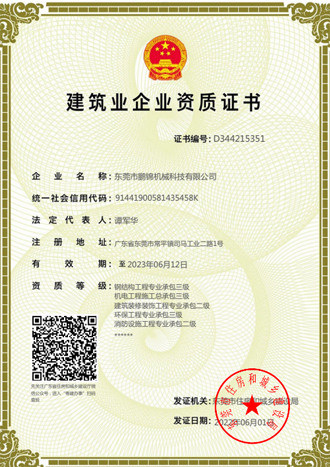
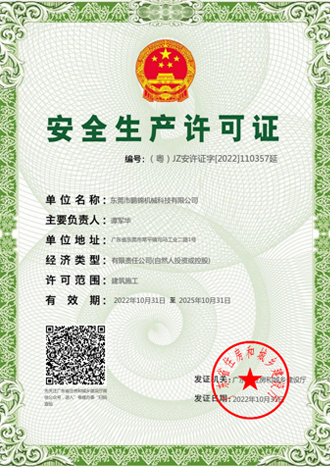
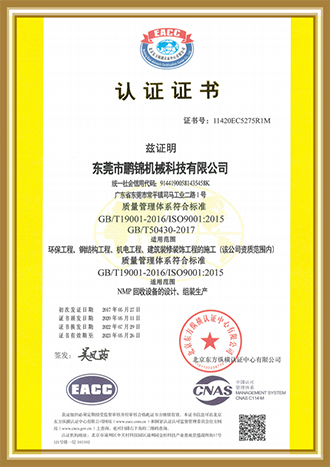
Leading BESS cell manufacturers operating gigafactories are building centralized NMP distillation plants serving multiple electrode coating lines simultaneously. These facilities — often handling 20–100 tonnes of NMP per day — represent a major industrial investment and require sophisticated process engineering including: multi-effect evaporation, waste heat recovery integration, online purity monitoring via gas chromatography, and automated solvent balance management systems. Pengjin Technology's large-scale NMP recycling equipment is designed precisely for this centralized model, providing the throughput, reliability, and purity control that gigafactory operations demand.
4. Compact Module Solutions for Regional BESS Manufacturers
Not all BESS manufacturing is concentrated in gigafactories. A significant portion of global cell production — particularly in Southeast Asia, India, and emerging markets — is carried out by regional manufacturers producing cells for local grid storage projects and residential systems. These facilities typically operate 2–8 coating lines and require modular, skid-mounted NMP recovery systems that can be installed quickly, operate with minimal specialist maintenance, and deliver consistent recovery rates. The addressable market for this segment is expanding rapidly as BESS deployment spreads beyond tier-1 economies.
5. EV-to-BESS Second-Life & Recycling Interfaces
An emerging and strategically important application is the interface between second-life battery repurposing and new cell manufacturing for BESS. As EV battery packs retire, some are repurposed for stationary grid or residential storage, but many require cell-level refurbishment or replacement. The re-manufacturing process for second-life BESS applications involves fresh electrode coating — and thus fresh NMP consumption and recovery requirements. Solvent recycling systems that can accommodate variable production schedules and batch processing (characteristic of second-life operations) represent a growing niche within the BESS solvent recovery market.