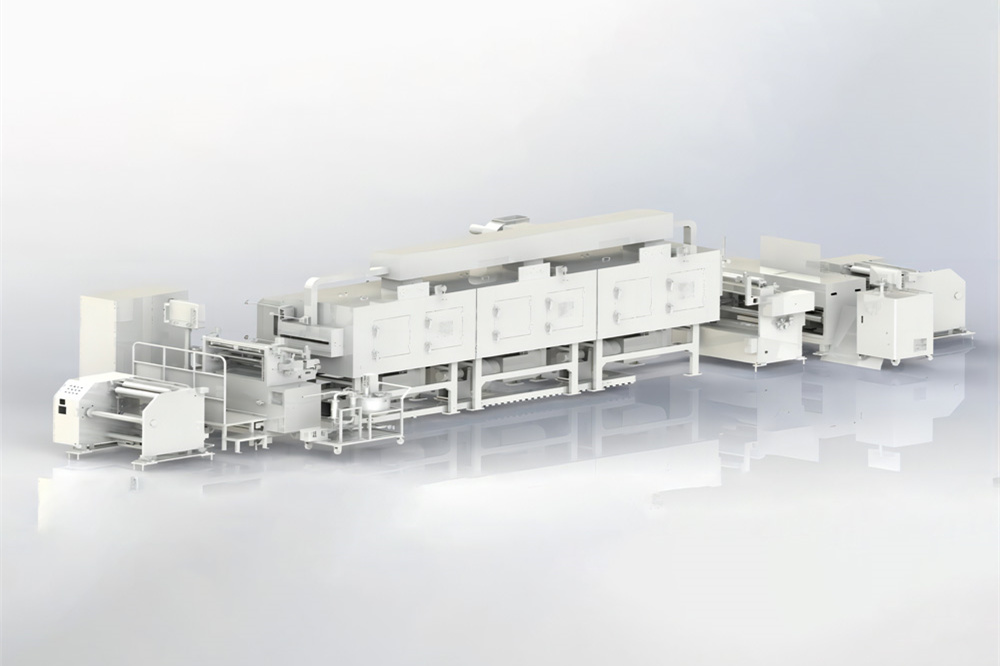
A Coating & NMP Recycling Integrated Machine consolidates two critical processes in lithium battery electrode manufacturing — precision slurry coating and solvent recovery — into a single, seamlessly coordinated production unit. In traditional ESS manufacturing workflows, these operations were handled by separate, siloed systems that demanded significant floor space, redundant utility connections, and intensive cross-system maintenance.
The integrated approach eliminates these inefficiencies. By coupling the coating head, drying oven, and NMP condensation/recovery modules within one unified platform, operators gain synchronized process control, dramatically reduced solvent emissions, and a measurably lower total cost of ownership — all critical priorities for today's high-volume, sustainability-focused energy storage system factories.
With global ESS deployments accelerating across grid-scale storage, EV battery gigafactories, and industrial power backup installations, this integrated machine architecture has become a foundational technology for competitive, low-maintenance manufacturing operations.
Single HMI governs coating parameters and NMP recovery simultaneously for perfect synchronization.
Advanced condensation and adsorption modules recover and purify NMP solvent for direct reuse.
Modular components, self-diagnostics, and tool-free access panels minimize planned and unplanned downtime.
Integrated layout reduces floor space by up to 35% versus separate coating and recovery systems.
The global energy storage system market is projected to exceed USD 500 billion by 2030, driven by renewable energy integration mandates, electric vehicle fleet expansion, and grid stabilization requirements. This explosive growth translates directly into surging demand for high-throughput, cost-efficient electrode coating lines — and for the NMP management infrastructure that supports them at scale.
N-Methyl-2-pyrrolidone (NMP) is the industry-standard solvent for lithium battery cathode slurry preparation. Its excellent solvency properties are irreplaceable in current wet-process electrode manufacturing — yet NMP is expensive (~USD 2,000–3,500/tonne), classified as a substance of very high concern (SVHC) under REACH regulations, and subject to increasingly strict emission controls across China, Europe, and North America. Without effective recovery, a single large-format coating line can lose millions of dollars in unrecovered solvent annually.
As battery manufacturers scale to multi-GWh annual production capacities, the operational burden of maintaining separate, legacy coating and solvent recovery infrastructure becomes a competitive liability. Unplanned downtime on a coating line can halt an entire cell assembly workflow, and maintenance labor costs for disconnected systems are exponentially higher than for integrated platforms. Low-maintenance design is no longer a premium feature — it is a baseline requirement for economically viable ESS production at scale.
Regulatory frameworks worldwide are tightening VOC emission limits and mandating solvent recovery efficiency thresholds for battery manufacturing facilities. China's GB 37822 standard, the EU's Industrial Emissions Directive, and EPA standards in the US all impose compliance obligations that make high-efficiency NMP recovery not only environmentally responsible but legally necessary. Integrated machines with certified recovery rates above 98% provide a direct compliance pathway while simultaneously reducing raw material costs.
Multi-mode coating heads support slot-die extrusion and transfer coating configurations, achieving coating weight uniformity of ±0.5% across the full substrate width — critical for cell capacity consistency in ESS applications.
Multi-zone temperature control with real-time atmosphere monitoring ensures optimal solvent evaporation profiles, preventing over-drying defects while maximizing NMP concentration in exhaust streams for efficient downstream recovery.
Condensation cooling, activated carbon adsorption, and distillation purification stages work in series to achieve >98% NMP recovery with solvent purity >99.5%, enabling direct reuse in new coating batches without quality degradation.
Integrated IoT sensors continuously monitor coating roller wear, oven heater element performance, condenser fouling index, and pump seal integrity. AI algorithms generate predictive maintenance alerts 72+ hours before failure, virtually eliminating unplanned downtime.
Waste heat from oven exhaust is recaptured and redirected to preheat incoming fresh air and the NMP distillation column, reducing overall energy consumption by 20–30% compared to non-integrated systems.
Standardized OPC-UA and MQTT communication protocols enable seamless integration with factory MES, ERP, and quality management systems, supporting full digital traceability of every coating batch for ESS quality assurance.
The next generation of integrated coating machines is scaling to substrate widths of 1,200–1,600mm and line speeds exceeding 100 m/min to match the throughput demands of emerging 100+ GWh gigafactories. Achieving coating uniformity at these speeds requires advanced tension control, dynamic shim adjustment, and computational fluid dynamics-optimized die designs.
While NMP-based wet coating remains dominant for cathode electrode production, the industry is actively developing dry electrode processes (pioneered by Tesla's acquisition of Maxwell Technologies) that eliminate NMP entirely. Forward-looking integrated machine platforms are being designed with modular architecture that allows wet-process NMP recovery modules to be replaced or supplemented with dry-process calender units as the technology matures.
Growing demand for community-scale and industrial ESS installations is driving interest in mid-scale, cost-optimized coating lines rather than exclusively gigafactory-scale solutions. Compact integrated machines capable of producing 100–500 MWh of electrode material annually are becoming commercially attractive for regional battery manufacturers and ESS integrators in emerging markets across Southeast Asia, South Asia, and Latin America.
Leading battery manufacturers are adopting formal solvent stewardship programs that track NMP lifecycle from procurement through recovery, purification, and reuse. Integrated machines with built-in NMP purity monitoring and digital mass balance reporting are becoming preferred platforms for manufacturers seeking ISO 14001 and EPD certifications, as well as compliance with the EU Battery Regulation's sustainability disclosure requirements.
In GWh-class facilities producing LFP or NMC cells for utility-scale energy storage, integrated machines operate 24/7 across multi-shift schedules. The closed-loop NMP recovery system eliminates solvent trucking logistics, reduces hazardous material inventory, and ensures continuous production without solvent supply interruptions — a mission-critical advantage at this scale.
Second-life EV battery repurposing programs require consistent electrode quality to ensure predictable cell performance in ESS repackaging. Coating lines with integrated NMP recovery and AI-driven quality monitoring provide the traceability and consistency data needed to certify repurposed cells for stationary storage applications, opening a high-growth circular economy market segment.
Mid-tier ESS OEMs producing containerized energy storage systems for industrial and commercial customers benefit from integrated machine compactness and low maintenance requirements. With total facility space at a premium and technical staffing levels lower than at gigafactories, the self-diagnostic capabilities and tool-free maintenance access of integrated platforms deliver disproportionate operational value.
Solar-plus-storage and wind-plus-storage projects increasingly specify domestically produced battery cells to meet local content requirements. Regional battery manufacturers supplying these projects typically operate single or dual coating lines where the economics of a dedicated, integrated NMP recovery system are far superior to outsourcing solvent recovery — making the integrated machine the natural choice for project-scale production.
Battery research institutions and advanced cell developers require pilot-scale coating equipment that replicates production conditions with precision. Integrated machines at pilot scale (200–600mm web width) with full NMP recovery capability allow researchers to evaluate new electrode formulations, binders, and coating architectures under economically and environmentally realistic conditions, accelerating the transition from lab to production scale.
New battery manufacturing investments in markets like India, Indonesia, Morocco, and Mexico benefit from integrated machine configurations that minimize specialized infrastructure requirements. With combined utility connections, single-vendor technical support, and simplified regulatory compliance for solvent emissions, integrated platforms dramatically reduce the cost and complexity of establishing ESS manufacturing capability in emerging market environments.
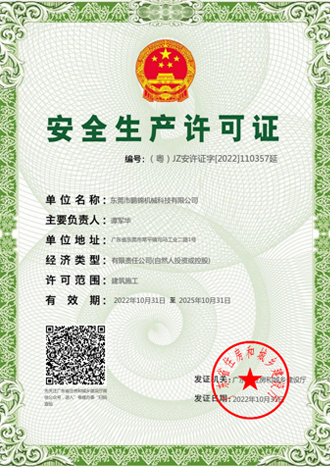
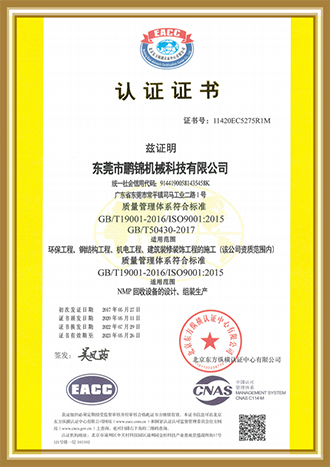
Guangdong Pengjin Intelligent Equipment Co., Ltd. (referred to as "Pengjin Technology") is a national high-tech enterprise specializing in professional equipment solutions for the new energy recycling economy. Our primary offerings include NMP recycling equipment, NMP distillation equipment, coating machines, and more. Committed to innovation, Pengjin Technology holds 13 invention patents and over 50 utility model patents. Our team of nearly 1,000 employees, with around 20% dedicated to research and development, ensures continuous technological advancement.
Innovative tech services for customer success and employee fulfillment
Leading new energy intelligent manufacturing
Driving the development of new energy circular economy
Honesty, pragmatism, pioneering spirit, pursuit of excellence
With the rapid development of the lithium battery industry, the efficient use of resources and the steady improvement of efficiency are the top priority of enterprise operation and development. Pengjin Technology adheres to the corporate mission of "driving the development of new energy recycling economy with technology" and provides more perfect NMP solutions for the majority of lithium battery manufacturers and NMP manufacturers.
On the road of circular economy, Pengjin team will take excellent steps, keep pace with time; work together for a win-win situation, and create a more efficient tomorrow.
Pengjin team will be committed to NMP recycling, NMP circular economy and other resource recycling economy, high-tech development economy, and take solid steps to promote the high-quality development of new energy and realize the green, circular and low-carbon development of industries.


Connect with Pengjin Technology's engineering team to discuss how our Coating & NMP Recycling Integrated Machine can reduce your operational costs, ensure regulatory compliance, and future-proof your energy storage manufacturing capacity.
Get a Customized Solution →