The United States is undergoing a historic industrial renaissance driven by the Inflation Reduction Act (IRA), record-breaking EV adoption, and an urgent push to onshore critical battery manufacturing. At the center of this transformation is a class of precision machinery that rarely makes headlines but is absolutely indispensable: slitting machines. From the electrode foil lines of Nevada gigafactories to the specialty film converters of Ohio and the flexible packaging plants of the Southeast, slitting machines are the silent workhorses of American advanced manufacturing.
A slitting machine — also called a slitter-rewinder — cuts wide rolls of material (known as "master rolls") into narrower strips called "slit rolls" or "log rolls," which are then used directly in final products or fed into downstream processes. In battery manufacturing specifically, electrode slitting is a critical step: copper and aluminum foil coated with active materials must be slit to exact widths with micron-level tolerances before being wound or stacked into cells.
🔋 The U.S. battery manufacturing capacity is projected to exceed 1,000 GWh by 2030. Every single gigawatt-hour requires miles of precisely slit electrode material — making slitting machines one of the most strategically important pieces of capital equipment in the entire supply chain.
Beyond batteries, American industries ranging from pressure-sensitive labels and medical films to solar backsheets and aerospace composites all rely on high-precision slitting equipment. The diversity of applications — and the stringent quality demands of U.S. manufacturers — have created a robust and competitive market for world-class slitting machine suppliers and factories ready to serve U.S. buyers.
U.S. gigafactories in Nevada, Tennessee, Georgia, and Michigan demand ultra-precise electrode slitting for anode/cathode foils. Tolerance requirements are tightening to ±0.1mm as cell formats evolve toward 4680 and large-format prismatic designs.
Utility-scale BESS (Battery Energy Storage Systems) projects across California, Texas, and the Mid-Atlantic are accelerating demand for high-throughput electrode processing lines, where slitting speed and precision directly impact cell yield and cost-per-kWh targets.
America's $200B+ flexible packaging industry relies on slitter-rewinders for BOPP, PET, PE, and specialty barrier films. Converters in the Midwest and South require high-speed machines capable of handling a wide variety of substrates with minimal waste.
FDA-regulated medical device manufacturers and pharmaceutical packaging companies in New Jersey, Massachusetts, and Minnesota require cleanroom-compatible slitting equipment with validated, traceable process controls.
U.S. solar panel manufacturers use slitting machines to process encapsulant films, backsheets, and busbars. IRA domestic content incentives are driving significant new capacity investments on American soil through 2030.
Advanced composite tape and specialty alloy foil slitting for aerospace structures and defense electronics demands extreme dimensional accuracy, traceability, and compliance with ITAR and AS9100 standards — a niche where only the most capable machine builders qualify.
The Inflation Reduction Act has catalyzed over $100 billion in new U.S. battery and clean energy manufacturing investments since 2022. This reshoring wave is creating unprecedented demand for turnkey electrode processing equipment, including slitting machines that meet American production standards and local content requirements.
Leading U.S. manufacturers are integrating machine-vision defect detection, AI-based edge guiding, and real-time SPC (Statistical Process Control) into slitting lines. These Industry 4.0 capabilities are transitioning from differentiators to baseline expectations among American buyers.
Pioneered by companies including Tesla and QuantumScape, dry electrode processes eliminate NMP solvent and fundamentally change the slitting requirements for electrode foils. Equipment suppliers must adapt to handle new materials, tensions, and geometric tolerances demanded by solid-state and semi-solid chemistries.
Environmental compliance is a business imperative in the U.S. EPA regulations on NMP solvent emissions are driving demand for integrated coating-and-recovery lines. Manufacturers who offer closed-loop NMP recycling alongside their slitting and electrode processing equipment gain a significant competitive and regulatory advantage.
As U.S. gigafactories scale to multi-GWh annual output, the bottleneck is often the electrode processing line. Slitting machines capable of processing wider master rolls (up to 1,600mm+) at speeds exceeding 120 m/min with sub-0.1mm accuracy are in high demand to meet aggressive production ramp targets.
American manufacturers increasingly require U.S.-based technical support, spare parts depots, and on-site commissioning services from their equipment vendors. International suppliers who invest in American service infrastructure and local partnerships gain a decisive edge in winning long-term supply agreements.
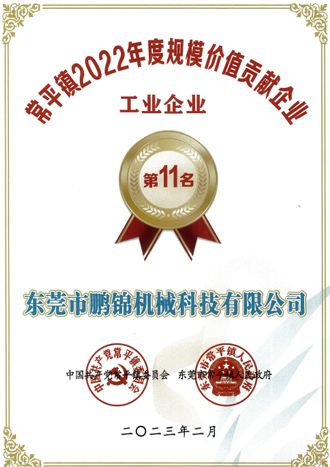
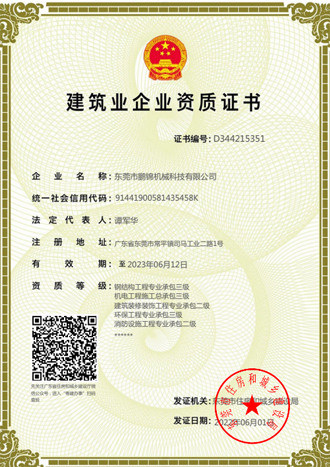
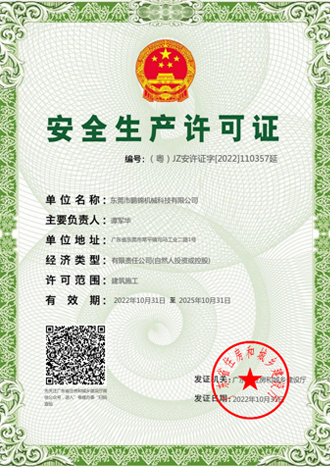
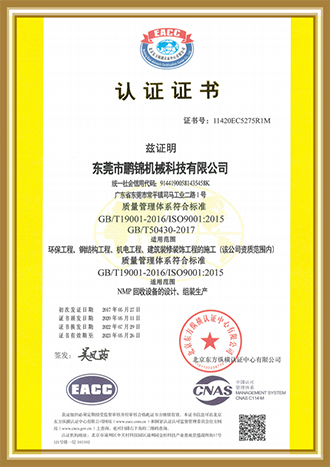
Guangdong Pengjin Intelligent Equipment Co., Ltd. ("Pengjin Technology") is a national high-tech enterprise specializing in professional equipment solutions for the new energy recycling economy. Our primary offerings include NMP recycling equipment, NMP distillation equipment, coating machines, slitting machines, and integrated electrode processing lines.
Committed to innovation, Pengjin Technology holds 13 invention patents and over 50 utility model patents. Our team of nearly 1,000 employees — with approximately 20% dedicated to research and development — ensures continuous technological advancement that keeps our American and global clients ahead of the curve.
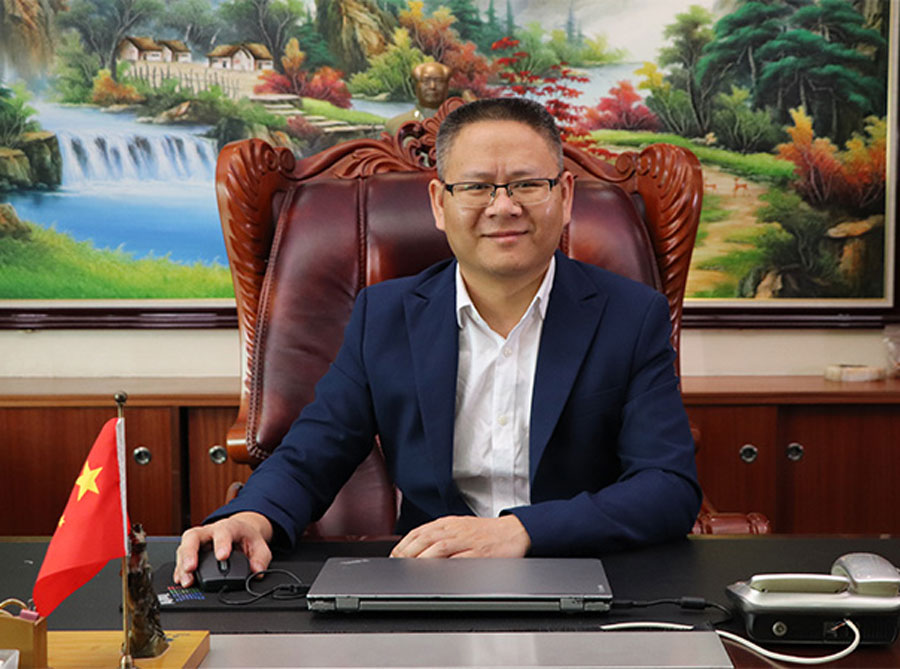
Chairman's Message: With the rapid development of the lithium battery industry, the efficient use of resources and the steady improvement of efficiency are the top priorities of enterprise operation and development. Pengjin Technology adheres to the corporate mission of "driving the development of new energy recycling economy with technology" and provides more complete NMP solutions for the majority of lithium battery manufacturers. On the road of circular economy, the Pengjin team will take excellent steps, keep pace with the times, work together for a win-win situation, and create a more efficient tomorrow.
Pengjin will be committed to NMP recycling, NMP circular economy and other resource recycling initiatives, high-tech development, and will take solid steps to promote the high-quality development of new energy — realizing the green, circular, and low-carbon development of industries both in China and across the United States market.