Core solutions for EV & PHEV battery production lines — precision-built, innovation-driven.
The global electric vehicle market is undergoing an unprecedented expansion. By 2030, EV and PHEV sales are projected to account for over 40% of all new vehicle sales worldwide, driven by tightening emissions regulations, surging consumer demand, and massive government incentives across North America, Europe, and Asia-Pacific.
At the heart of this revolution lies battery cell manufacturing — a process where precision, throughput, and material efficiency are not optional but existential. Electrode calendering and slitting represent two of the most critical steps in the cell production workflow, directly determining energy density, cycle life, and safety performance of every battery produced.
Integrated Roller Press & Slitting Machines have emerged as the preferred solution for forward-thinking battery manufacturers who need to compress timelines, reduce footprint, and achieve tighter dimensional tolerances — all simultaneously.
Gigafactory Scale-Up: New gigafactories demand integrated, high-throughput equipment that eliminates inter-process transfer losses and floor space waste.
Next-Gen Cell Formats: 46-series cylindrical, large-format prismatic, and ultra-thin pouch cells all require ultra-precise calendering control within ±1 µm tolerance.
PHEV Dual-Chemistry Lines: Plug-in hybrid vehicles require both high-power and high-energy electrode variants, demanding flexible, quick-changeover equipment.
Localization & Supply Chain Resilience: Battery manufacturers in the US, EU, and Southeast Asia are actively sourcing proven equipment from established Chinese suppliers with global service networks.
Sustainability Mandates: Integrated machines reduce scrap rates and energy consumption per cell, aligning with ESG targets and carbon neutrality commitments.
A seamless four-stage process that transforms coated electrode foil into precision-cut electrode strips — in a single, continuous operation.
Coated electrode rolls are loaded onto the precision unwinding station with automatic tension control and EPC edge alignment for consistent feed.
The electrode passes through hardened alloy rolls under programmable pressure, compressing the active material to target density and porosity with µm-level thickness accuracy.
Immediately downstream, circular blade assemblies slit the calendered web into multiple strips at defined widths, with burr-free edges critical for cell safety.
Individual electrode rolls are rewound under closed-loop tension control, with automatic defect marking and roll labeling for downstream traceability.
Technical advantages that directly translate to lower cost-per-cell and higher battery performance for EV & PHEV manufacturers.
Servo-hydraulic roll gap control with real-time feedback ensures electrode thickness uniformity that maximizes energy density and cycle consistency across every cell.
Combining two processes into one machine reduces floor space by up to 40% compared to standalone equipment — a critical advantage in high-cost gigafactory environments.
Tool-free blade cassette systems and recipe-based parameter recall enable rapid changeover between NMC, LFP, and solid-state electrode formats — ideal for PHEV dual-chemistry lines.
OPC-UA connectivity, MES integration, and inline vision inspection with AI-driven defect classification enable seamless integration into smart factory environments.
Precision-ground tungsten carbide blades with active burr suppression produce edge quality that eliminates internal short-circuit risk — a non-negotiable for EV safety standards.
Integrated SPC dashboards monitor roll force, thickness, tension, and slit width in real time, enabling predictive maintenance and zero-defect production targets.
From gigafactory mass production to specialized R&D pilot lines — where the Roller Press & Slitting Integrated Machine delivers decisive value.
For high-capacity NMC 811 and NMC 9-series cathode electrodes used in 400–800V traction battery packs, calendering precision directly controls energy density. Integrated machines maintain ±0.5 µm thickness across 1200mm-wide webs at speeds exceeding 80 m/min, enabling the ultra-thin electrode designs required for 300+ mile range targets.
Plug-in hybrid applications demand electrodes optimized for both fast charge acceptance (high power) and sustained energy delivery (high energy). The integrated machine's recipe management system allows operators to switch between thick high-energy and thin high-power electrode profiles with sub-10-minute changeover, maximizing line utilization for PHEV manufacturers serving multiple OEM platforms.
At gigafactory scale — 10 GWh to 100+ GWh annually — every percentage point of yield improvement translates to tens of millions in cost savings. Integrated machines eliminate the inter-process transfer step between calendering and slitting, removing a major source of electrode contamination, tension variation, and dimensional shift that degrades yield in high-volume environments.
Solid-state electrolyte composite electrodes are far more sensitive to calendering pressure uniformity than conventional liquid-electrolyte designs. The machine's closed-loop hydraulic pressure control with ±0.1% force stability is enabling early-stage solid-state battery developers to achieve repeatable electrode density across pilot-scale production, accelerating the path to commercialization.
As the circular economy for EV batteries matures, reconditioned electrode materials require precise re-calendering to restore original density specifications. Integrated machines with wide pressure range capability (from 5 kN to 500 kN) serve both virgin electrode production and recycled material reprocessing on the same platform, supporting Pengjin Technology's mission in the new energy recycling economy.
Battery manufacturers building new plants in North America, Europe, and Southeast Asia under IRA, EUBIA, and regional incentive programs require equipment that meets local safety certifications (CE, UL) and supports remote diagnostics for lean service teams. Pengjin's machines ship with full CE documentation and cloud-based remote monitoring, reducing commissioning risk for international greenfield projects.
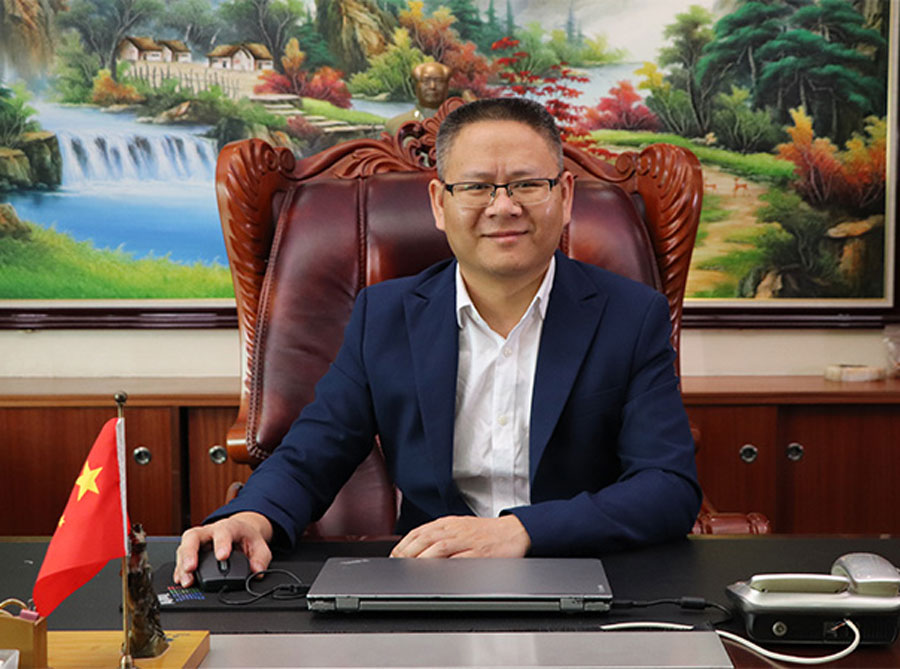
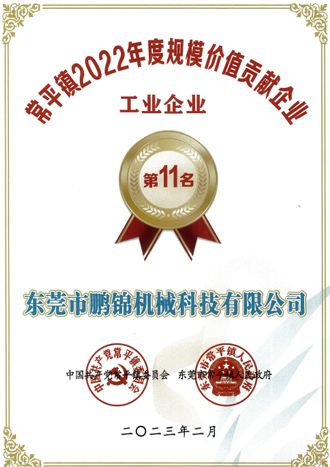
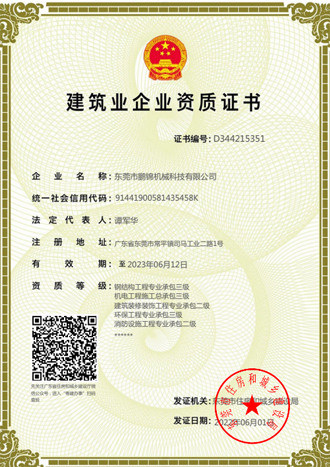
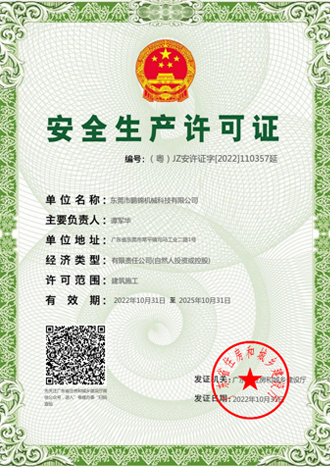
A national high-tech enterprise powering the new energy circular economy with intelligent manufacturing solutions.
Welcome to learn more about us
Innovative tech services for customer success and employee fulfillment
Leading new energy intelligent manufacturing
Driving the development of new energy circular economy
Honesty, pragmatism, pioneering spirit, pursuit of excellence
With the rapid development of the lithium battery industry, the efficient use of resources and the steady improvement of efficiency are the top priority of enterprise operation and development. Pengjin Technology adheres to the corporate mission of "driving the development of new energy recycling economy with technology" and provides more perfect NMP solutions for the majority of lithium battery manufacturers and NMP manufacturers. On the road of circular economy, Pengjin team will take excellent steps, keep pace with time; work together for a win-win situation, and create a more efficient tomorrow.
Pengjin team will be committed to NMP recycling, NMP circular economy and other resource recycling economy, high-tech development economy, and take solid steps to promote the high-quality development of new energy and realize the green, circular and low-carbon development of industries.


For many years, we have successfully responded to the requirements of reputed customers in the market.


Get in touch with Pengjin Technology's engineering team to discuss your Roller Press & Slitting Integrated Machine requirements — from standard configurations to fully customized gigafactory solutions.
Request a Consultation →Full-line solutions for EV & PHEV battery manufacturing — from electrode processing to final cell testing.