




Europe: Beyond Coating – Why Electrode Processing Is Becoming Strategic
As Europe’s battery industry scales, manufacturers are rethinking how batteries are made—not just what batteries are made.
Coating quality has long dominated technical conversations. Yet coating is only one stage of electrode manufacturing. After coating and drying, electrodes must still be calendered and slit before they are ready for cell assembly. For producers in Germany, France, and other European markets, these downstream steps are becoming increasingly critical as quality requirements tighten.
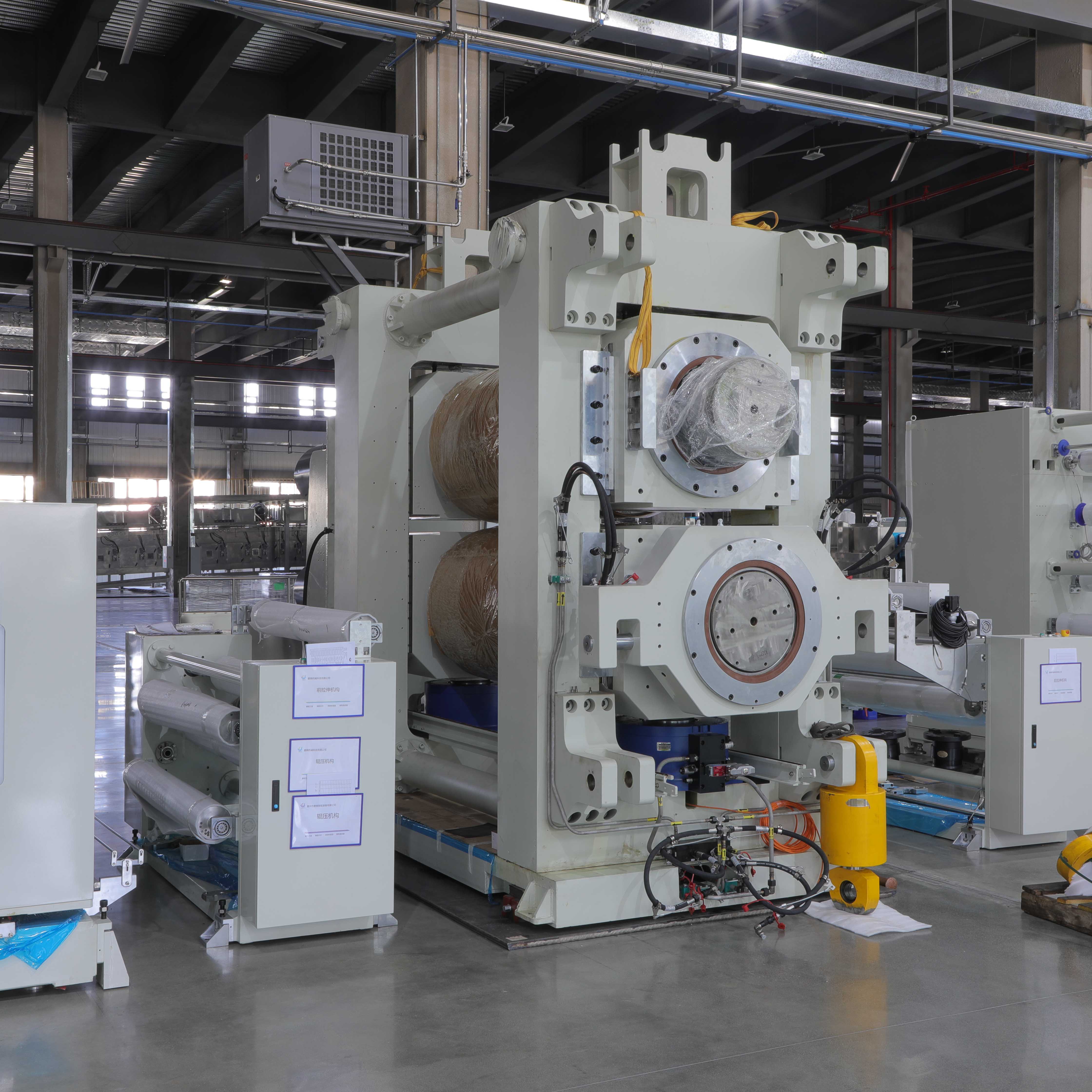
A Roller Press and Slitting Integrated Machine consolidates calendering and slitting into a continuous production flow. The roller press precisely adjusts electrode thickness and density, while the slitting section cuts electrodes to exact widths required for battery formats. This equipment is also known as an Integrated Calendering Line, Battery Electrode Processing Line, or Battery Electrode Slitting Line.
As factories pursue higher energy density and more predictable cell performance, electrode processing quality is moving to the center of production strategy. After coating, manufacturers must still control:
-
Electrode density consistency
-
Thickness uniformity
-
Slitting precision
-
Edge quality
Even with stable coating results, variations introduced during calendering or slitting can compromise cell assembly and long-term battery performance. This is why electrode processing is no longer treated as a secondary operation, but as a strategic capability.
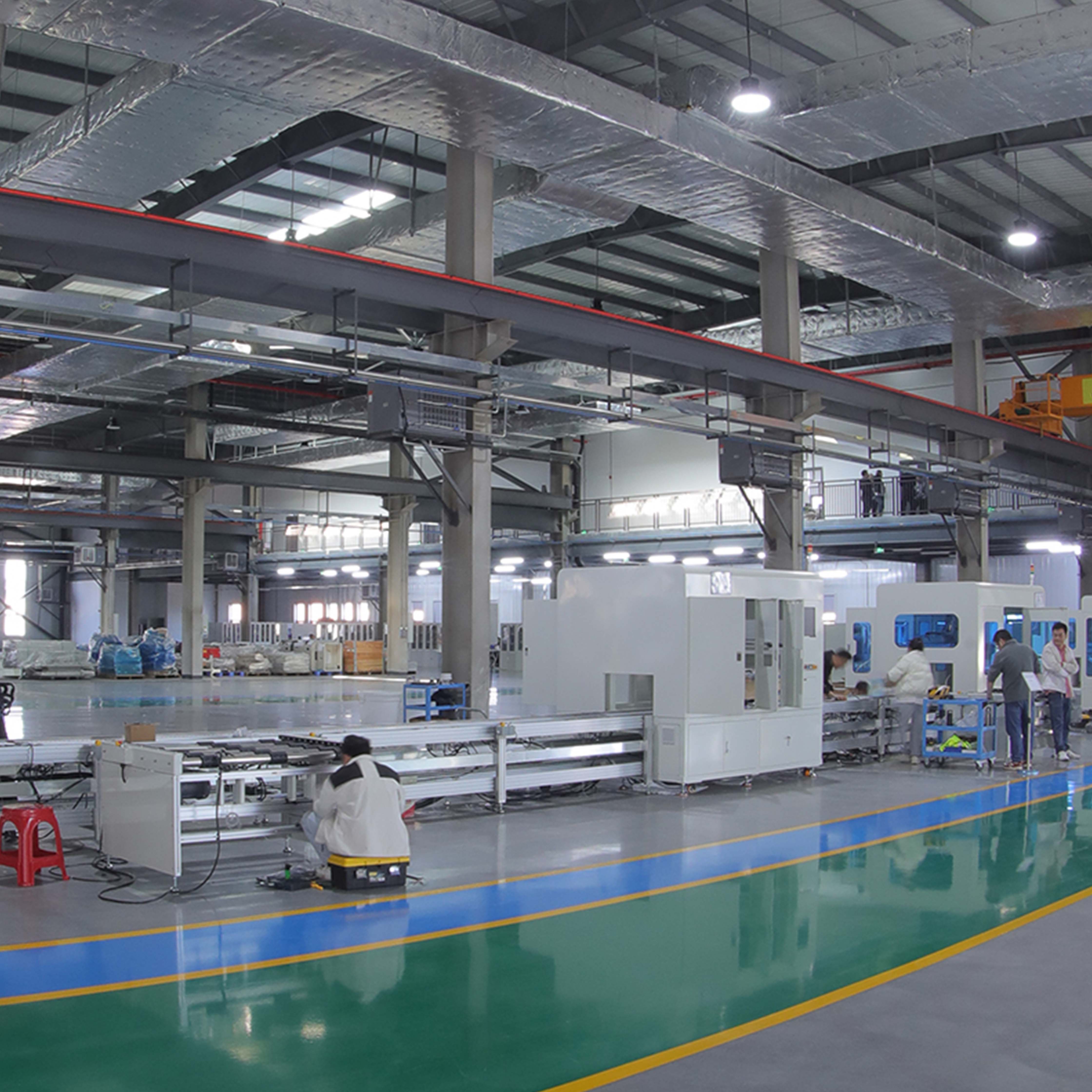
Across Europe, new battery projects are prioritizing reduced handling, stronger process continuity, and higher automation levels. Instead of optimizing calendering and slitting as isolated steps, manufacturers are adopting integrated processing concepts that streamline the entire electrode workflow.
Pengjin supports this transition with solutions spanning coating, roller press, slitting, NMP recovery, PACK automation, and intelligent manufacturing systems—helping producers build more efficient, stable, and traceable production lines.
As Europe’s battery industry matures, the focus is shifting from individual equipment performance toward consistency across the full manufacturing sequence. The future challenge may not simply be how to coat better electrodes, but how to sustain quality from coating through calendering, slitting, and final cell assembly.
In the next phase of battery industrialization, competitive advantage may depend less on individual components and more on how efficiently manufacturers integrate processes, data, and quality systems across the entire production chain.
Where do you see the next bottleneck—capacity, integration, or traceability?