




Why European EV and ESS Manufacturers Are Investing in Automated Battery Pack Lines
As Europe expands its EV battery and energy storage industries, manufacturers are paying more attention to what happens after cell production.
Battery cells must still be assembled into modules and packs before they can be used in electric vehicles, energy storage systems, and industrial battery applications.
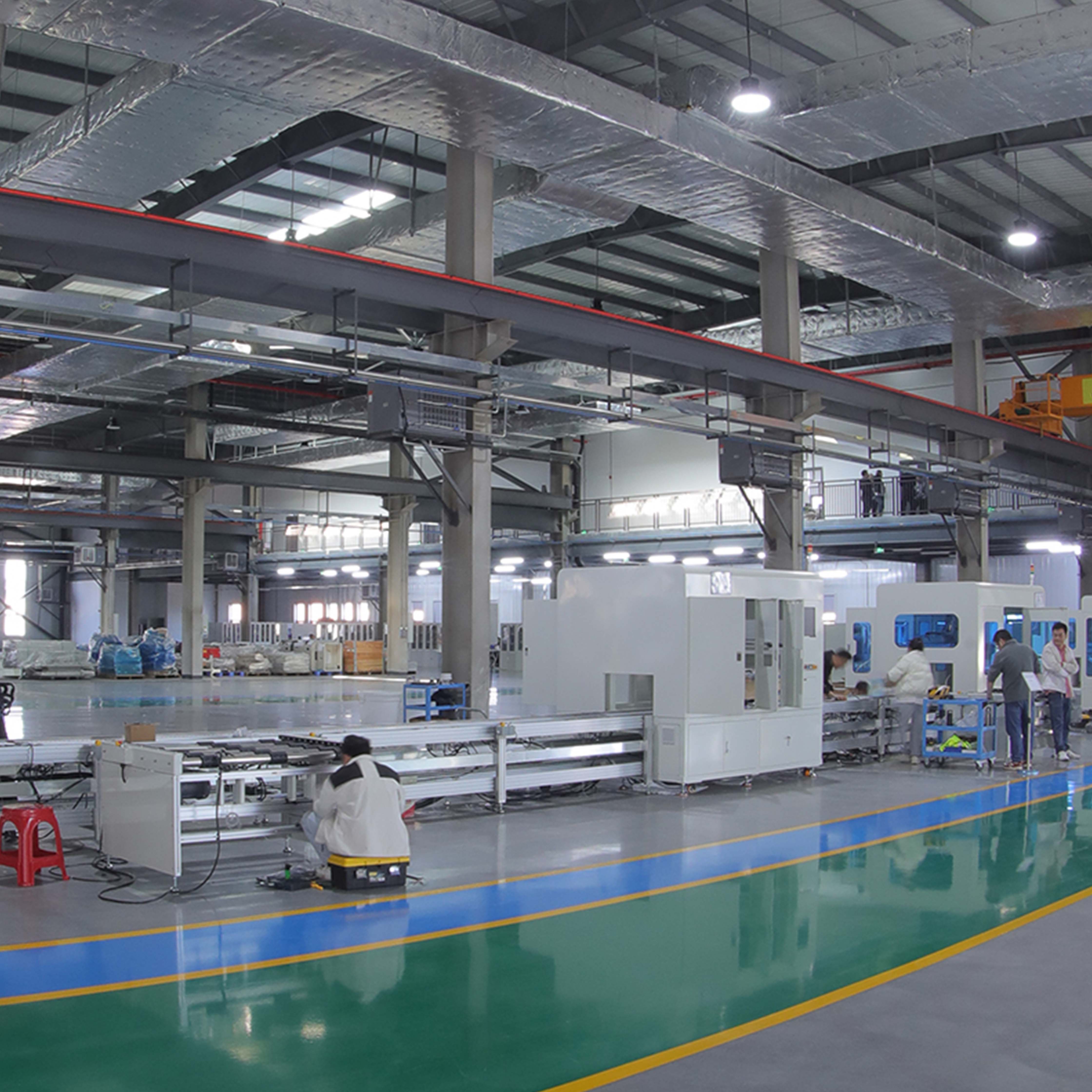
An Automated Battery Pack Line is a production system used for battery module assembly, welding, testing, and final pack integration.
It may also be called a Battery Pack Line, PACK Assembly Line, Battery Module Assembly Line, or Battery Pack Manufacturing Line.
Compared with manual or semi-automatic assembly, automated battery pack production systems help improve consistency, reduce labor dependence, and support large-scale manufacturing.
For EV and ESS manufacturers in Germany, France, and Spain, battery pack quality directly affects safety, reliability, and delivery efficiency.
As battery projects become larger, manufacturers need to manage module consistency, welding quality, electrical testing, and production traceability.
This is why battery automation is becoming a key part of modern battery production line planning.
Current mainstream solutions include semi-automatic PACK lines, fully automated battery module lines, and turnkey battery pack solutions.
Semi-automatic lines may fit early-stage or small-batch production, while automated assembly lines are more suitable for EV battery pack assembly, energy storage battery pack lines, and high-volume battery manufacturing.
For manufacturers building new battery factory projects, the focus is gradually shifting from single equipment selection to integrated production systems.
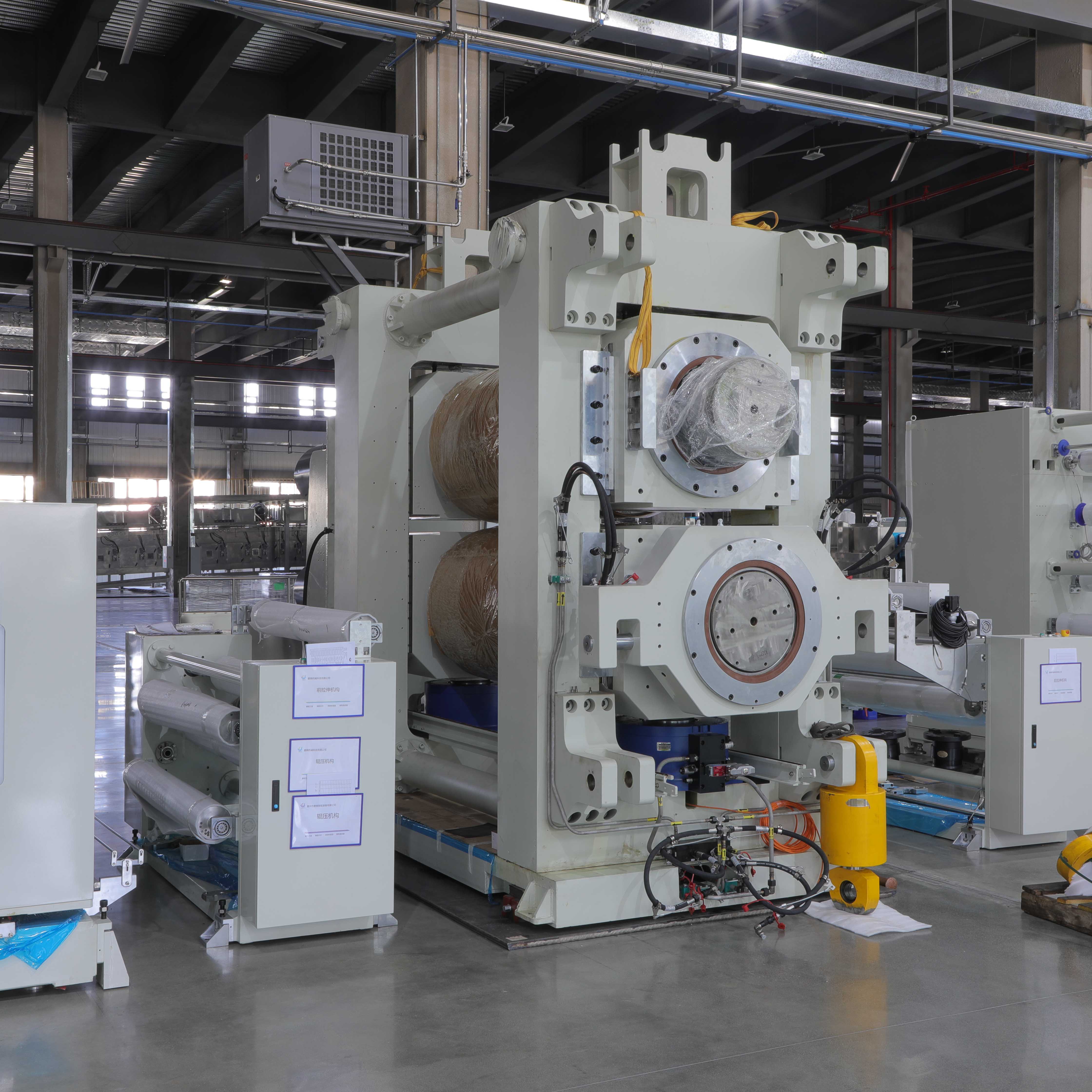
As a battery manufacturing equipment supplier, Pengjin provides battery module PACK automation lines integrating laser welding, information management, intelligent detection, module assembly, welding, and testing stations.
This type of automated battery manufacturing solution is applicable to EV batteries, energy storage systems, and consumer electronics battery packs.
As Europe’s battery industry matures, pack manufacturing is becoming more than a final assembly step.
Future competitiveness may depend on how efficiently manufacturers can transform cells into safe, consistent, and traceable battery systems.