




Future trends of automated battery pack lines: how will manufacturing needs change?
As lithium battery applications expand, pack assembly is becoming a critical stage that directly affects product performance, safety, and scalability. The way manufacturers design and evaluate pack lines is also changing.
Industry changes
Battery manufacturers are moving from small-batch production to large-scale, standardized manufacturing.
At the same time, product types are becoming more diverse, especially in EV and energy storage applications.
Key driving factors
Cost pressure
Labor and operational costs continue to rise, making automation more necessary.
Quality requirements
Higher consistency and traceability are required for large battery systems.
Technology development
Advances in robotics and control systems enable more stable automated processes.
Future direction of pack lines
Several trends are becoming clear:
- higher automation level across the entire line
- integration of multiple processes into unified systems
- increased flexibility for different product types
- stronger data tracking and quality control
How companies should respond
Manufacturers are no longer only asking “what equipment to use,” but “how to design the whole system.”
This shift leads to greater demand for solution providers and automation integrators who can deliver complete pack line systems rather than standalone machines.

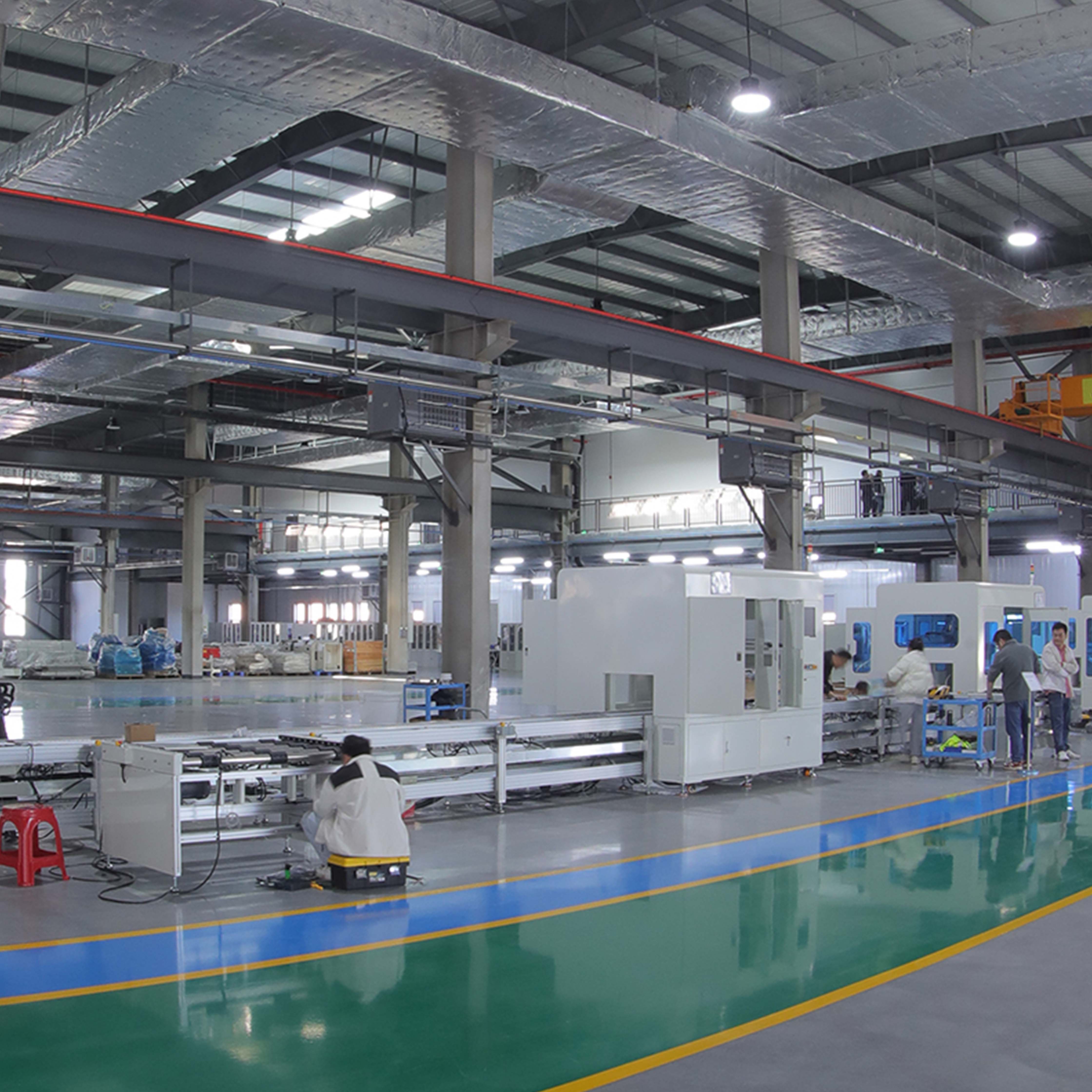
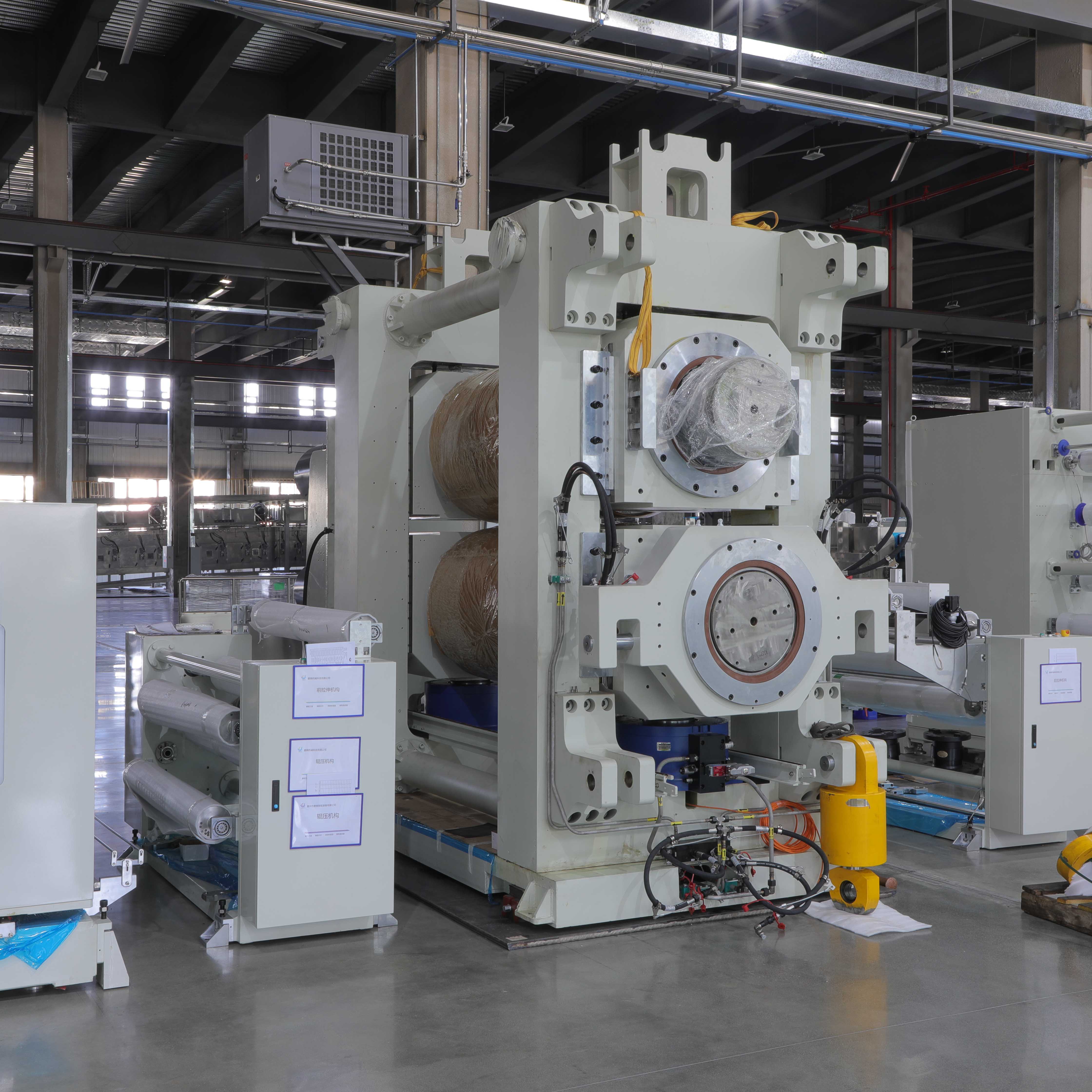
In this context, integrated pack solutions are becoming more relevant. For example, companies such as Pengjin provide automated pack lines that combine assembly, welding, and testing, helping manufacturers adapt to higher production scale and stricter quality requirements.
Automated pack lines are evolving from equipment combinations into complete manufacturing systems. For companies planning future capacity or upgrading production, understanding these trends can help make more suitable decisions in system design and technology selection.