


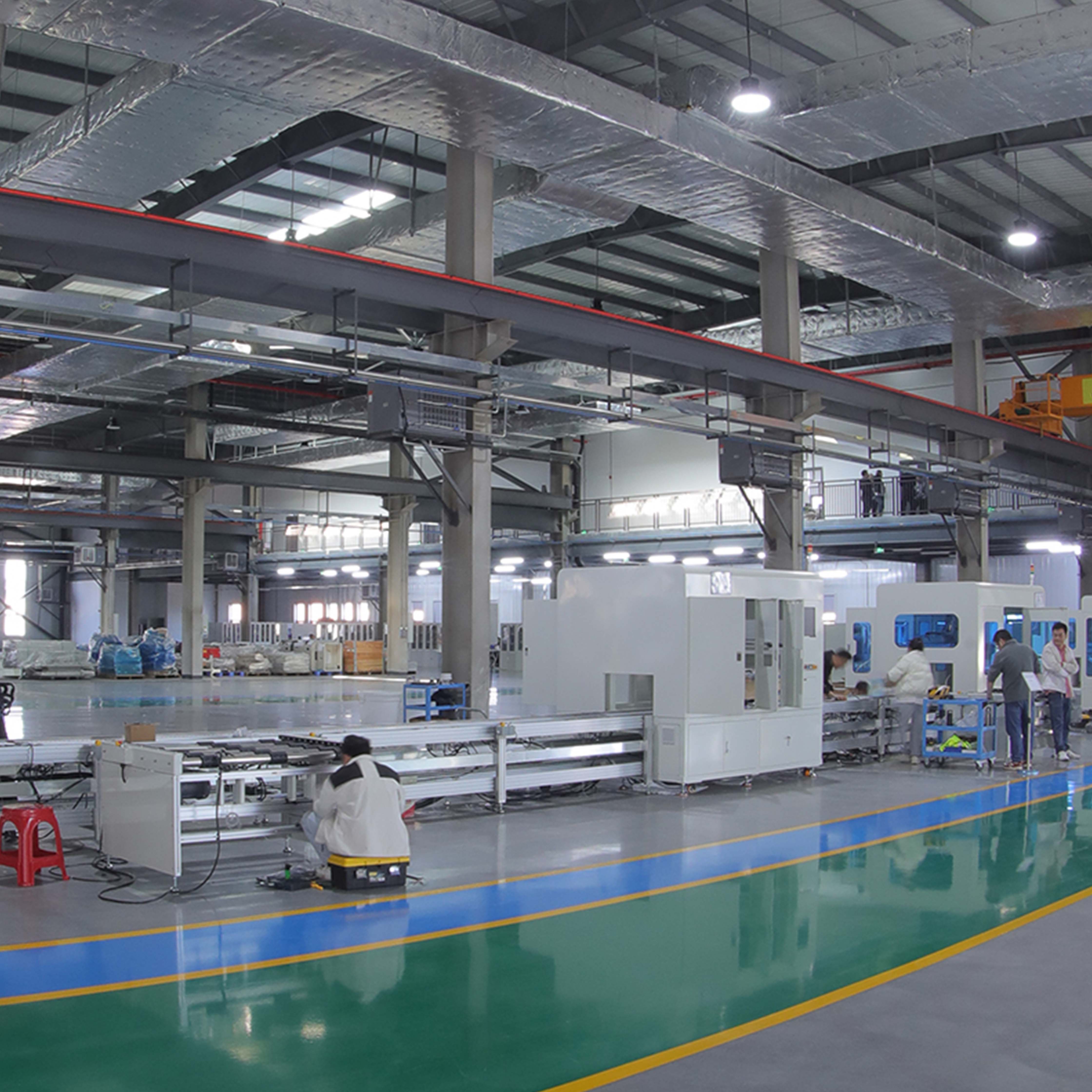
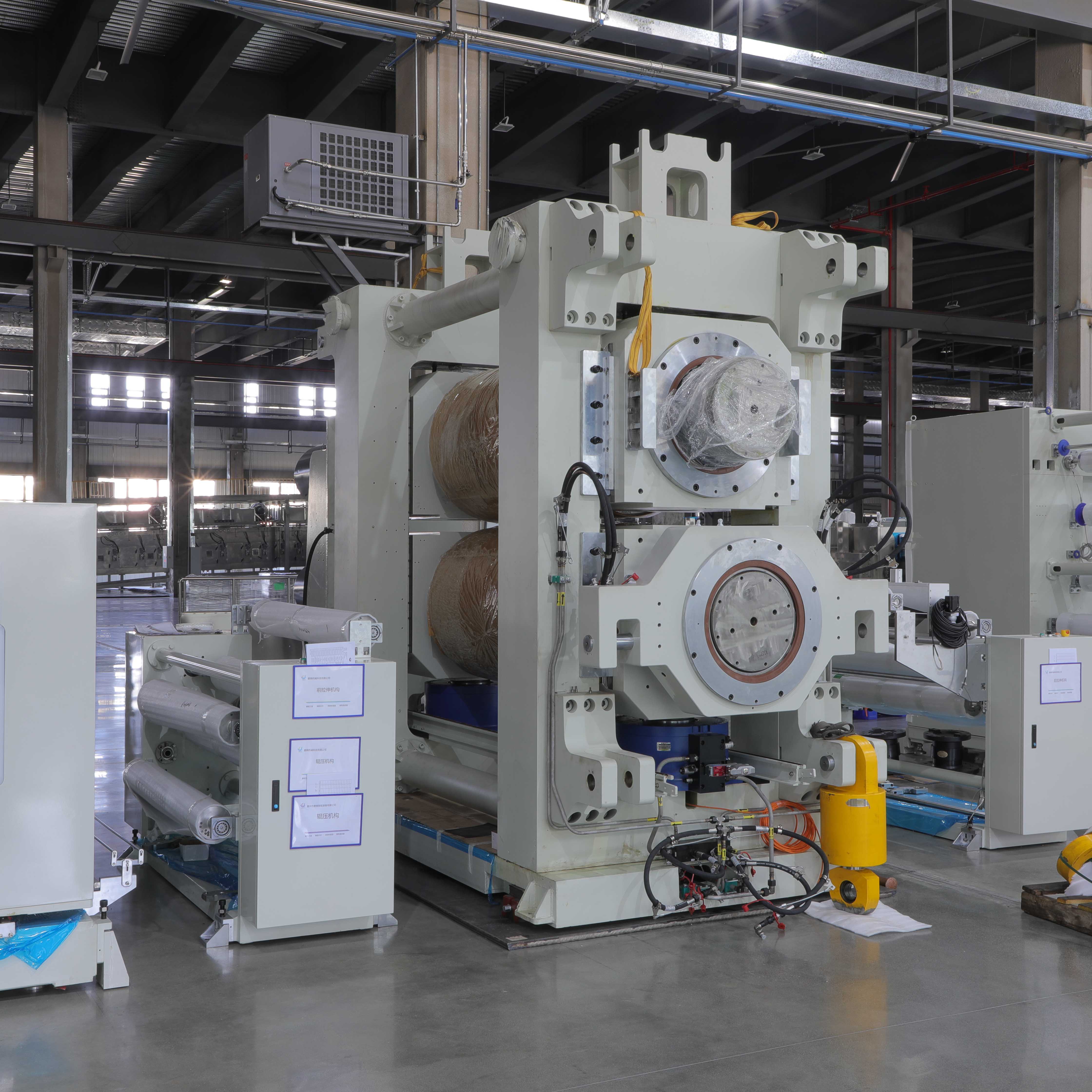


How to Choose an Automated Lithium Battery PACK Line – Cost, Efficiency, and Automation Levels Compared
How to Choose an Automated Lithium Battery PACK Line? A Multi-Dimension Comparison Guide
Selecting the right PACK line requires balancing upfront capital cost, operational efficiency, energy consumption, and automation depth. This guide compares three common solution types—manual workstations, semi-automatic lines, and fully automatic systems—across price, throughput, quality, and environmental impact.

The Four Key Selection Dimensions – Price, Efficiency, Environmental, Automation
|
Dimension |
Manual Workstations |
Semi-Automatic Line |
Fully Automatic Line |
|
Upfront price (USD) |
$20,000 – $50,000 |
$80,000 – $250,000 |
$300,000 – $800,000+ |
|
Throughput (packs/day, 8h shift) |
50 – 150 |
300 – 800 |
1,000 – 3,000+ |
|
Typical defect rate |
8% – 15% |
2% – 5% |
Below 1% |
|
Energy consumption per pack |
High (inefficient rework cycles) |
Medium (optimized but some manual idle time) |
Low (servo control and power management) |
|
Operators required per shift |
6 – 10 |
3 – 4 |
1 – 2 |
|
Traceability level |
None or manual logs |
Basic digital logging |
Full MES integration |
Three Common PACK Line Solutions – Detailed Pros and Cons
Solution A: Manual Workstations
1.Pros: Lowest entry cost, flexible for R&D samples and small repairs, quick to set up.
2.Cons: High defect rate, no traceability, slow changeover, high labor cost per pack, safety risks.
3.Best for: Prototype labs, university research, battery repair shops, or production below 100 packs/month.
4.Solution B: Semi-Automatic Line (e.g., Guangdong Pengjin modular line)
5.Pros: Excellent balance of cost and consistency, easy to expand, moderate operator training, real-time weld monitoring.
6.Cons: Some manual touch points remain (cell loading, final casing), changeover takes 30-60 minutes.
7.Best for: 100 – 1,000 packs/month, multiple SKUs, ESS producers, small EV converters, e-mobility brands.
8.Solution C: Fully Automatic Line
9.Pros: Highest throughput, lowest defect rate (<1%), full data logging and remote diagnostics, minimal labor.
10.Cons: High capital cost, longer installation and commissioning time (8-16 weeks), requires skilled maintenance engineers.
11.Best for: High-volume EV makers, gigafactories, large ESS integrators producing >3,000 packs/day.
Which Solution Fits Your Production Reality? A Simple Recommendation Flow
Step 1 – Assess monthly volume: Under 100 packs? Start with manual or outsource. 100-1,000 packs? Semi-auto is the sweet spot. Over 1,000 packs? Plan for fully automatic.
Step 2 – Check quality requirements: Automotive or medical applications demand <1% defect and full traceability → automatic or high-end semi-auto with MES.
Step 3 – Consider future growth: If you expect to double volume in 18 months, choose an expandable semi-auto line (like Pengjin’s) rather than a fixed manual layout.
Step 4 – Calculate payback period: For most mid-tier producers, a semi-auto line pays back in 12-18 months from labor savings alone, not counting reduced rework and warranty claims.
How Guangdong Pengjin Reduces Your Total Cost of Ownership
Guangdong Pengjin focuses on reducing three major cost drivers over the equipment lifetime:
1.Energy cost – Pengjin lines use servo-driven presses and smart idle modes, cutting energy consumption per pack by 15-20% compared to conventional pneumatic systems.
2.Material waste – Real-time laser welding with offset correction reduces scrap cells by up to 70%, saving thousands of dollars per month in cell costs.
3.Labor cost – One operator supervises three stations on a Pengjin semi-auto line, versus six operators on manual lines for the same output.
4.Real-world case: A power tool battery assembler producing 8,000 packs per month switched from manual assembly to a Pengjin semi-automatic line. Within six months, per-pack cost dropped 32%, first-pass yield rose from 89% to 97.5%, and they eliminated two full shifts of overtime labor. The equipment paid for itself in 14 months.
Match Your Volume, Quality, and Budget to the Right PACK Line
No single PACK line fits every manufacturer. Map your monthly volume, quality targets, and budget to the three solution types. For most mid-range producers (100-1,000 packs/month), a semi-automatic expandable line from Guangdong Pengjin offers the best ROI—lower risk than full auto, far better quality than manual. Contact Pengjin for a customized cost-efficiency simulation based on your specific pack design and production forecast.
