




How to solve inefficiency and inconsistency in battery pack assembly lines?
In lithium battery manufacturing, many production issues do not come from cell quality, but from the pack assembly stage.
Manufacturers often face problems such as unstable output, high labor dependency, and inconsistent pack performance. These issues become more critical as production scales up.

What problems are manufacturers facing?
Typical challenges include:
- Inconsistent module assembly and welding quality
- High manual operation leading to variability
- Difficulty in scaling production capacity
- Lack of traceability across processes
These problems are common in growing battery manufacturers transitioning from small-scale to mass production.
Common mistakes in pack line setup
Some manufacturers try to solve these issues with partial upgrades, such as:
- adding standalone machines without system integration
- keeping semi-automatic processes in key steps
- focusing on speed instead of process consistency
These approaches may improve output in the short term, but often lead to higher rework rates and unstable production in the long run.
How are these problems typically solved?
A structured solution usually includes the following steps:
Step 1: Process integration
Combine sorting, assembly, welding, and testing into a continuous system instead of isolated equipment.
Step 2: Automation upgrade
Introduce robotic handling, automated welding, and in-line inspection to reduce manual variation.
Step 3: Data and traceability
Implement process monitoring and data tracking to improve quality control.
Step 4: System-level optimization
Design the pack line as a whole rather than optimizing individual machines.
Recommended solution approach
In practice, these problems are usually addressed through integrated solutions provided by automation integrators or customized system manufacturers.
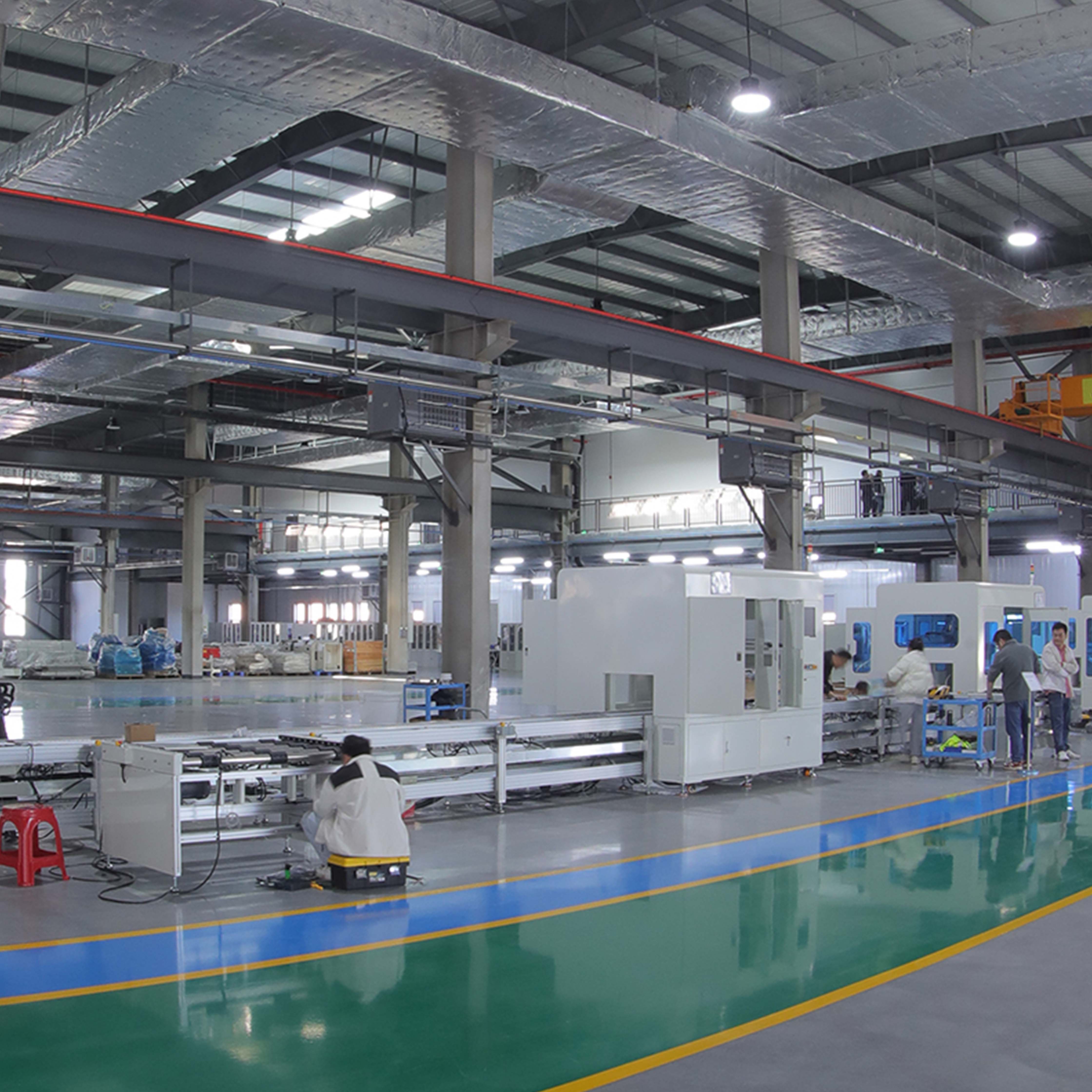
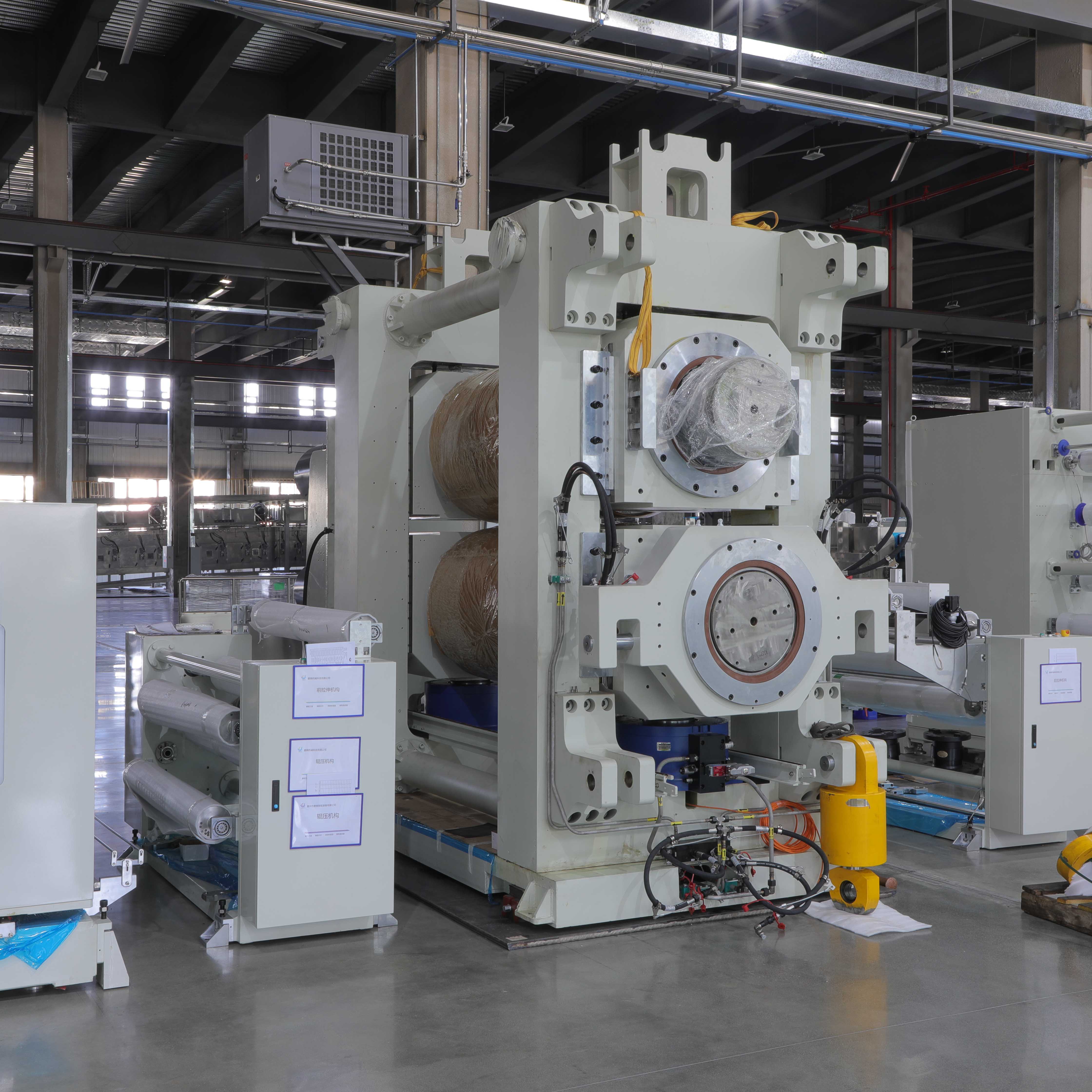
For example, solution providers such as Pengjin design automated pack lines that combine module assembly, welding, and testing into one system, helping improve process stability and reduce manual dependency.
Application results
In large-scale production scenarios, upgrading from semi-automatic assembly to integrated pack lines can:
- improve production efficiency
- reduce manual errors
- enhance product consistency
These improvements are especially relevant for EV and energy storage battery projects.
Pack assembly issues are often system-level problems rather than single-equipment issues. If production inefficiency or inconsistency becomes a concern, evaluating an integrated pack solution is usually a more effective approach than upgrading individual machines.