




Smart Factory Solutions for Lithium Battery Automated Production Lines
As India accelerates its transition toward electric mobility and energy storage, the demand for localized lithium battery manufacturing is rapidly increasing. From electric vehicles to stationary energy storage systems, manufacturers are seeking smart factory solutions for battery production that combine automation, quality consistency, and scalable capacity. Automated lithium battery production lines play a critical role in enabling stable mass production while meeting international safety and performance standards.

Automation as the Foundation of Modern Battery Manufacturing
Lithium battery production involves multiple precision-critical processes, including electrode preparation, cell assembly, formation, aging, and PACK integration. Manual operations introduce variability that can directly impact cell consistency, cycle life, and safety. Automated production lines address these challenges by integrating robotics, intelligent control systems, and data-driven quality monitoring.
In a smart factory environment, each process station operates under closed-loop control, allowing real-time adjustment of key parameters such as pressure, temperature, welding energy, and electrical thresholds. This level of automation is essential for manufacturers aiming to achieve high yield rates and long-term production stability, especially in high-growth markets such as India.

Lithium Battery Pouch Cell Manufacturing Equipment
Among different cell formats, pouch cell lithium battery technology is gaining attention due to its high energy density, lightweight structure, and flexible design options. However, pouch cells require specialized handling and process control because of their soft packaging and sensitivity to mechanical stress.
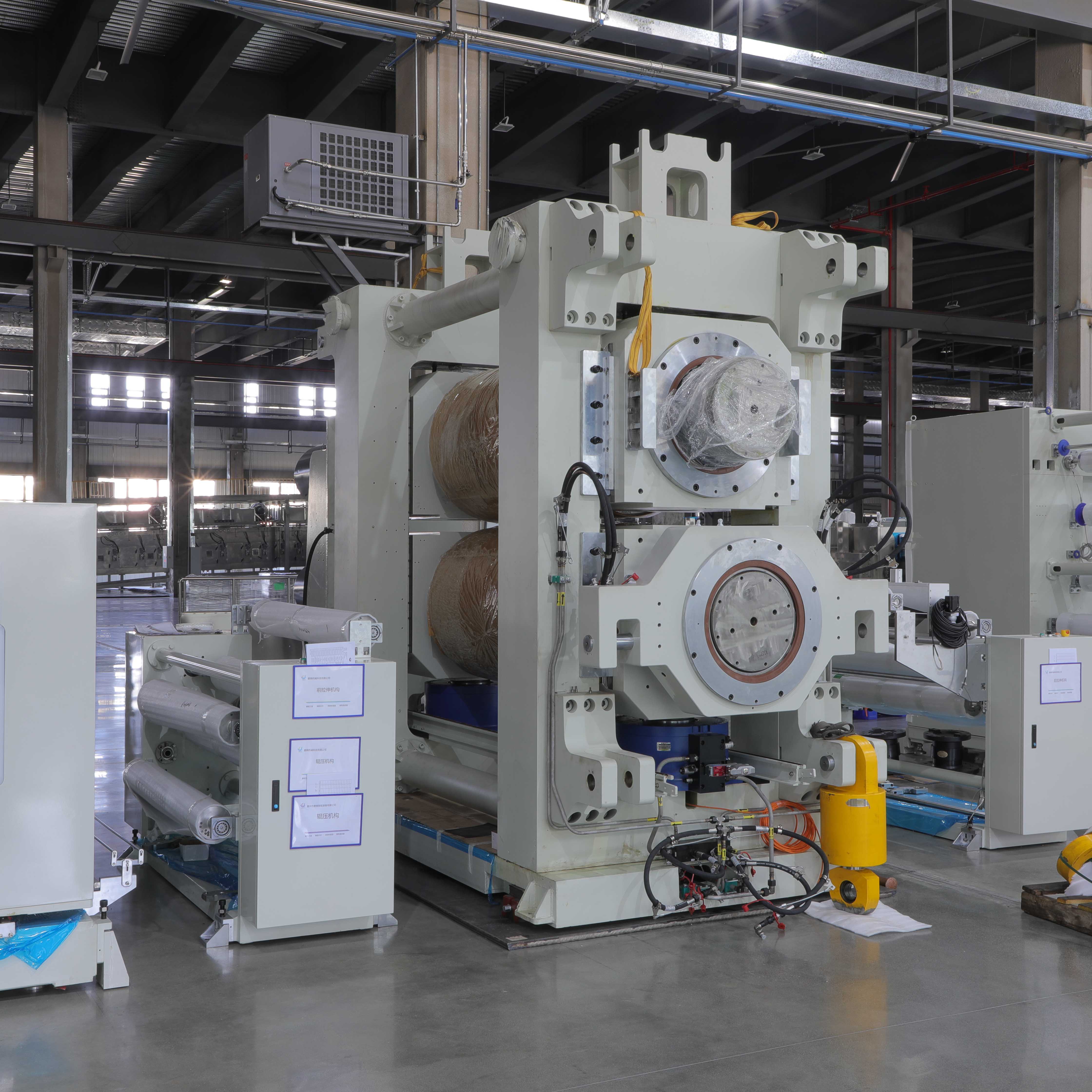
Advanced lithium battery pouch cell manufacturing equipment is designed to address these challenges through automated stacking or winding, precise tab alignment, controlled sealing, and deformation-free handling. Vision inspection systems and precision fixtures are commonly applied to ensure accurate positioning and dimensional consistency throughout the assembly process. Automation not only improves throughput but also significantly reduces the risk of defects such as misalignment, internal short circuits, or sealing failure.
Integration with Formation, Grading, and Quality Control
After cell assembly, pouch cells undergo formation and capacity grading, which are critical steps in determining final battery performance. Automated formation systems ensure controlled charging and discharging profiles, while grading stations classify cells based on capacity, internal resistance, and voltage consistency.
In a smart factory setup, all formation and grading data is automatically recorded and linked to the Manufacturing Execution System (MES). This traceability enables manufacturers to analyze process stability, improve yield, and support long-term quality assurance. For Indian battery producers seeking to meet both domestic and export requirements, data transparency and process control are becoming essential capabilities.

India Lithium Battery Pack Line Development
As India continues to localize its battery supply chain, the demand for India lithium battery pack line solutions is expanding across EV, two-wheeler, three-wheeler, and energy storage sectors. Automated PACK lines integrate cell sorting, module assembly, welding, BMS installation, enclosure assembly, and end-of-line testing into a unified production flow.
For pouch cell applications, PACK automation focuses on maintaining uniform compression, reliable electrical connections, and effective thermal management. Automated laser welding, torque-controlled fastening, and insulation inspection ensure electrical safety and mechanical robustness. These systems allow manufacturers to scale production efficiently while maintaining consistent PACK quality.
Smart Factory Architecture for the Indian Market
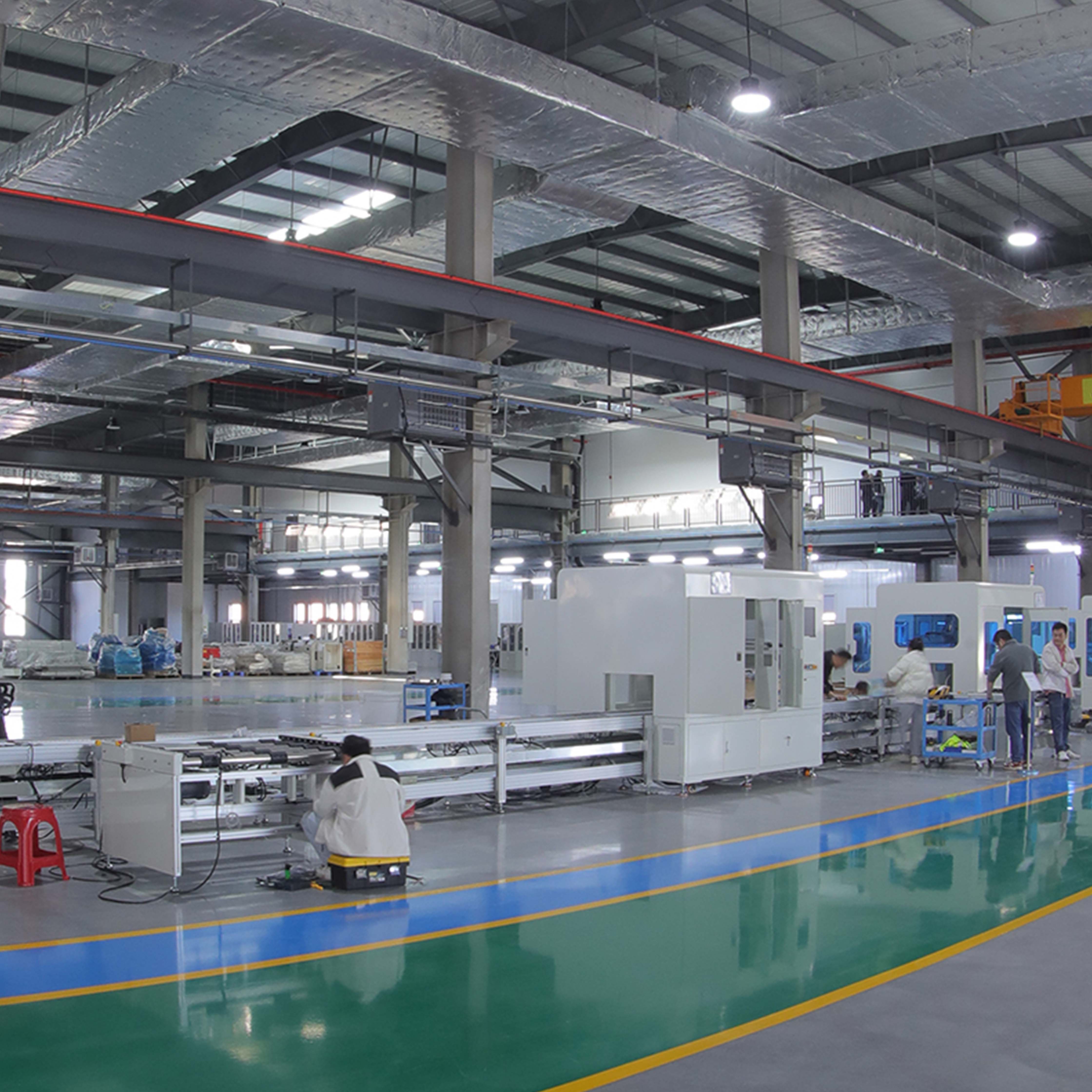
Smart factory solutions for battery production are not limited to individual machines. They require a line-level and factory-level architecture that integrates equipment, control systems, logistics, and data management. For manufacturers in India, scalable automation is particularly important, as production capacity often needs to expand in phases.
Modern battery production lines are designed with modular layouts, allowing capacity upgrades without disrupting existing operations. Centralized control platforms, predictive maintenance functions, and remote diagnostics further reduce operational risks and downtime. These features are especially valuable in emerging manufacturing hubs where skilled labor availability and operational efficiency are key considerations.

Supporting Sustainable and Competitive Battery Manufacturing
Automated lithium battery production lines contribute not only to productivity but also to sustainability. Precise material handling reduces waste, optimized energy management lowers power consumption, and integrated quality control minimizes rework and scrap rates. For Indian manufacturers, these benefits directly support cost competitiveness and long-term market growth.
By adopting smart factory solutions and advanced automation technologies, battery producers can build reliable manufacturing foundations that support India’s rapidly growing electric mobility and energy storage industries.