


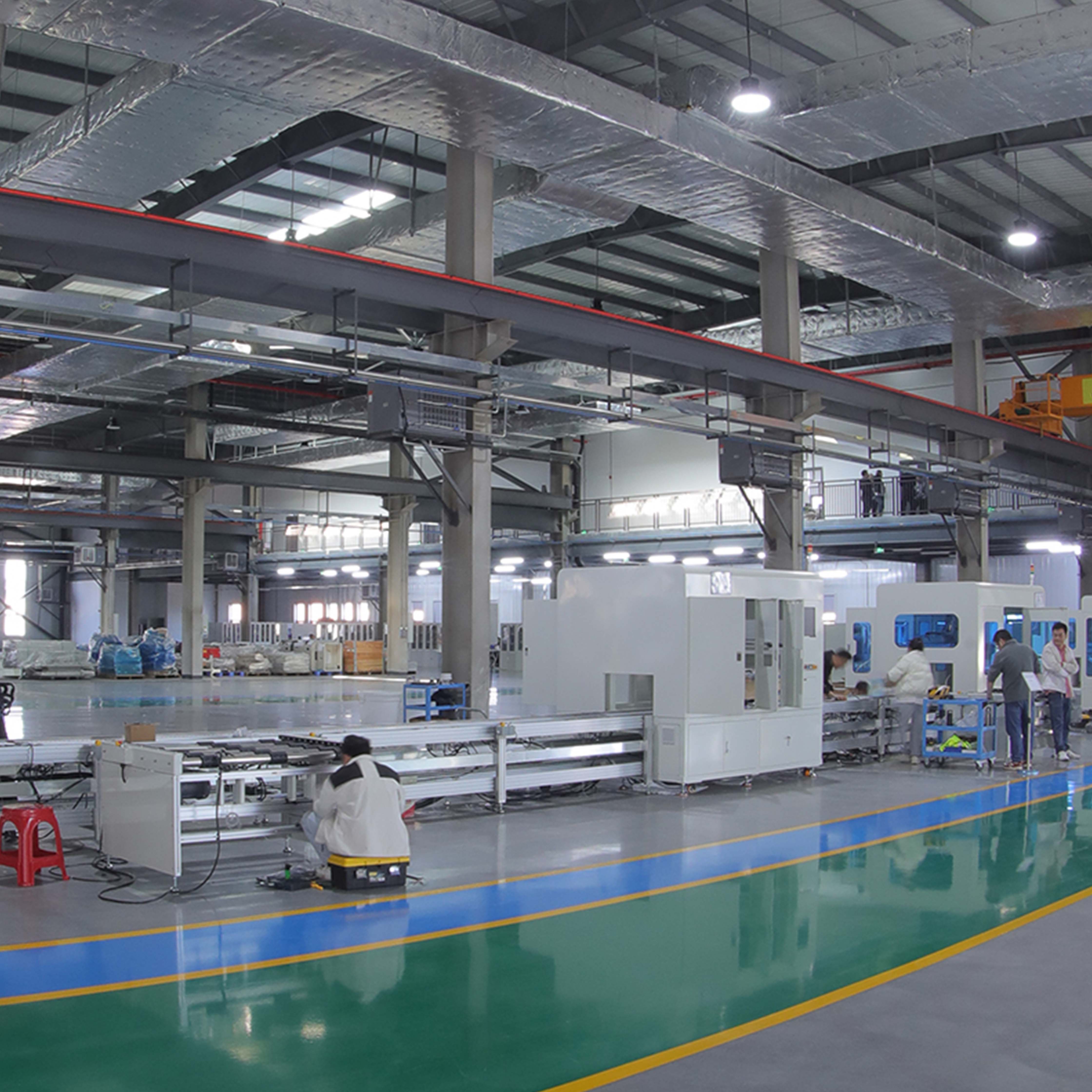
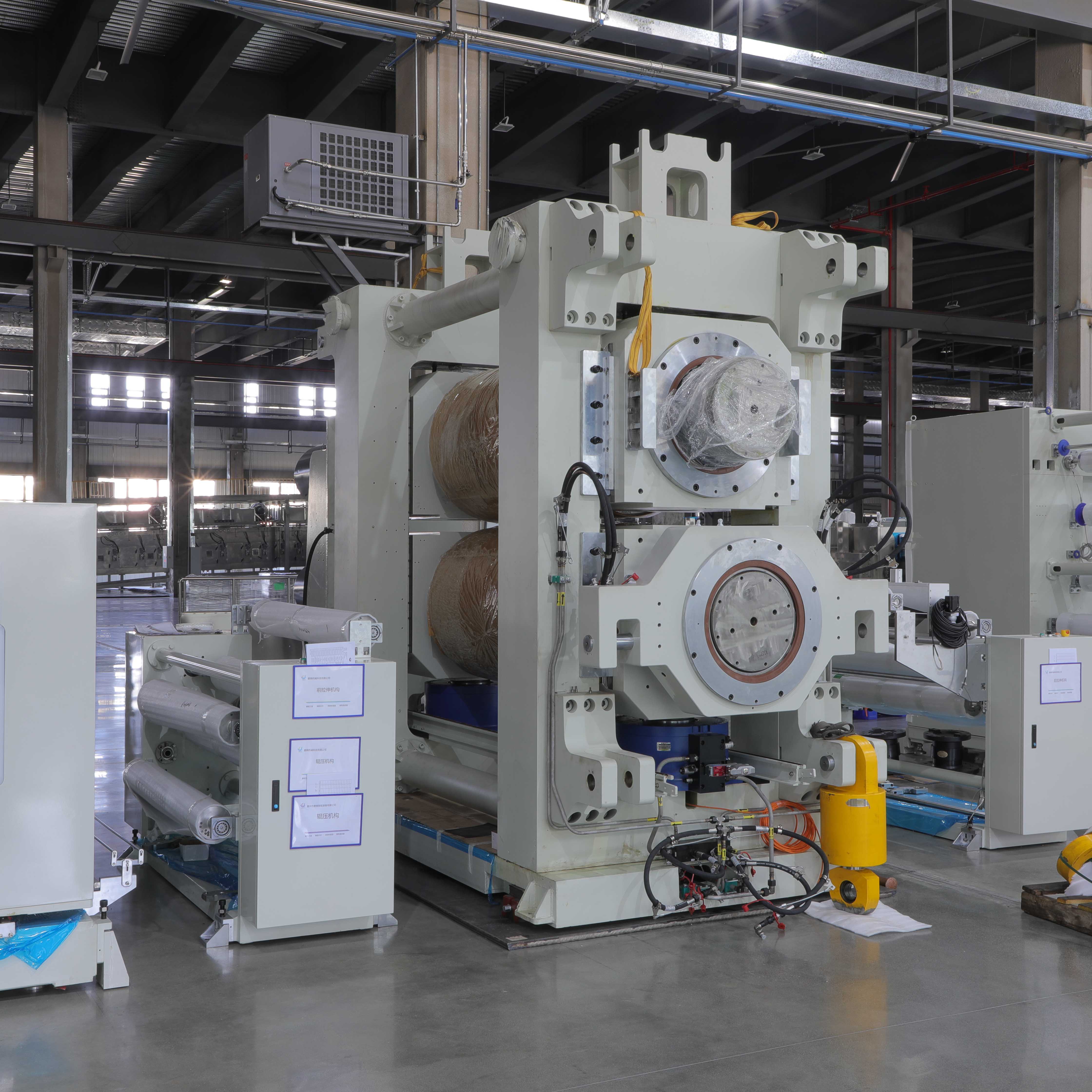


Why solvent recycling is becoming more important in Germany’s battery industry
As Europe’s battery industry continues to expand, German manufacturers are paying more attention to solvent recycling and energy-efficient production.
In lithium battery coating processes, NMP management is becoming an increasingly important issue for both environmental compliance and operating cost control.
German battery manufacturers face several pressures at the same time:
-
stricter VOC and environmental regulations
-
rising energy costs
-
higher focus on sustainable manufacturing
-
increasing solvent consumption in large-scale coating lines
These factors are pushing more factories to optimize NMP recovery and reuse systems.
Factories are upgrading from basic recovery structures to more integrated systems with heat recovery and stable condensation processes.
More manufacturers are introducing closed-loop recycling concepts to reduce fresh solvent consumption.
High return-air ratio and waste heat utilization are becoming more important in coating system design.
In Germany, battery manufacturers are increasingly evaluating solvent management as part of the overall production system rather than as an independent environmental device.
This trend is creating more demand for industrial solution providers and customized system manufacturers capable of integrating recovery, condensation, and tail-gas treatment into one process.
For medium and large battery projects, integrated NMP systems are becoming more common.
For example, solution providers such as Pengjin combine heat recovery, condensation, and tail-gas treatment into a unified NMP recovery solution, helping manufacturers improve energy efficiency and reduce solvent loss.
NMP recycling is becoming more important in Germany’s battery industry as manufacturers focus on sustainable and energy-efficient production.
For companies planning future coating capacity, evaluating integrated recovery solutions can support both environmental compliance and long-term operating efficiency.
